
24/7 Customer Support

Free returns

Same-day & Next-day Delivery

Quality Guaranteed

Unlock Your Welcome Offers: FREE Delivery | Up to 80% OFF | Free 30-day JoyPlus trial
Download the APP
Buying ski equipment for a family trip or regular winter sports use can quickly become expensive. Marketing often focuses on insulation levels, lens technology and protective systems, but the details that affect everyday comfort are easier to overlook.
Three common buying traps are worth avoiding:
OutdoorMaster ski gear covers several of these practical categories, including ski helmets, snow goggles, waterproof ski mittens, merino wool ski socks and ski and snowboard wax. The right choice depends on the user, weather and intended frequency of use.
For ski helmets, look for recognised markings such as CE EN 1077 or ASTM F2040, while checking that the certification applies to the exact model. The OutdoorMaster Diamond II MIPS Ski Helmet is listed with both ASTM F2040 and CE EN 1077 certification.
Measure the head according to the product guide rather than relying only on age or clothing size. A small helmet such as the Diamond II MIPS model is specified for 51–54 cm. For younger skiers, the OutdoorMaster Reindeer MIPS Kids Ski Helmet is listed at 48–52 cm and includes an adjustable dial system.
The helmet should sit level, cover the forehead without obstructing vision and remain stable when the wearer moves their head. Adjustable straps and a rear dial can help refine the fit, but they cannot compensate for the wrong shell size. Replace a helmet after a significant impact, even if there is no visible damage.
Ski goggles should offer a clear field of view, comfortable foam contact and a lens suited to likely conditions. VLT, or visible light transmission, indicates how much light reaches the eyes. Lower VLT lenses, such as 10%, are generally intended for brighter conditions; a clear lens with 90% VLT allows substantially more light through for darker conditions.
A lens bundle can therefore be more practical than buying one lens for every weather change. The OutdoorMaster ULTRA Ski Snow Goggles bundle includes a grey lens, a replacement lens, a protective case and cleaning cloths. It also has an OTG design for wearing over prescription glasses.
Do not judge anti-fog performance by coating claims alone. Check whether the goggles have ventilation channels, foam construction and clear cleaning instructions. Avoid touching the inner lens or using abrasive cloths, as this can damage the anti-fog surface.
For hands, compare water-resistant or waterproof construction, insulation, cuff design and palm reinforcement. Waterproof ski mittens can provide more warmth than individual winter ski gloves because fingers share heat, although some users prefer separate fingers for pole control.
The OutdoorMaster adult mitten range includes models with 3M insulation, KEVLAR-reinforced palms, a TPU waterproof membrane and fleece lining. These features are useful indicators of construction, but fit still matters: overly tight mittens can reduce comfort, while loose cuffs allow snow and cold air inside.
For feet, merino wool ski socks can help manage moisture and temperature during long boot use. The OutdoorMaster socks contain a 30% Merino wool blend, targeted cushioning and compression zones. Check the size conversion carefully, particularly when buying for children or between UK and EU sizing systems.
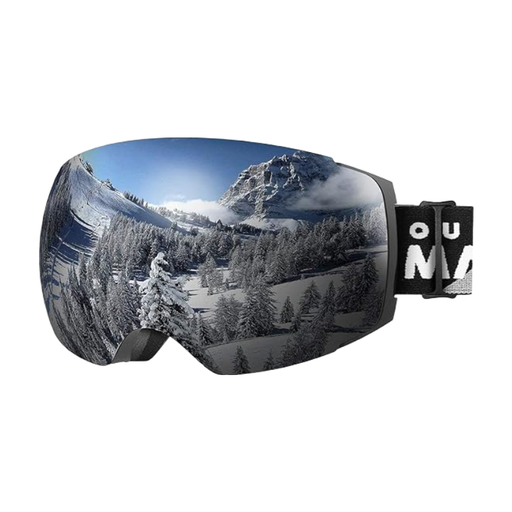
Why This Fits Their Persona: A straightforward option for occasional adult skiers who want one pair of goggles for brighter resort days, including UK-organised ski trips.
The listing specifies a spherical lens, anti-fog coating, UV400 protection and OTG compatibility, rather than relying only on appearance.
Interchangeable lens system; extra-long strap designed to fit ski and snowboard helmets.
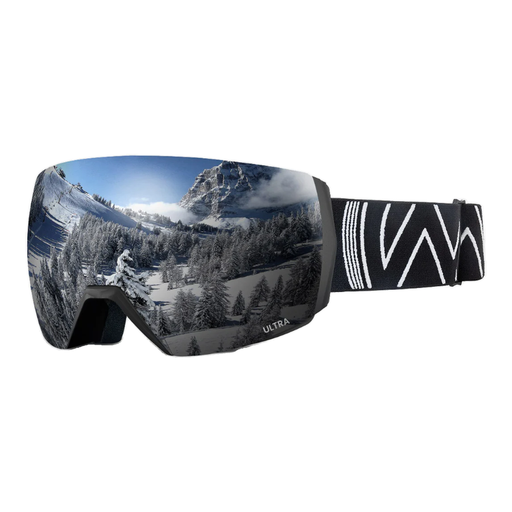
Why This Fits Their Persona: Suitable for regular skiers who value lens flexibility and need equipment that can adapt from bright Alpine conditions to low-light afternoons.
The bundle includes a silver lens at VLT 10% and a clear lens at VLT 90%, giving buyers defined light-transmission information.
Magnetic lens-change system; triple-layer anti-fog foam; OTG design and protective case included.
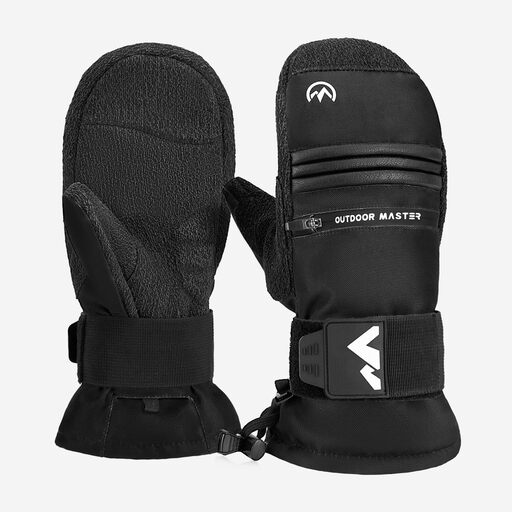
Why This Fits Their Persona: A practical match for frequent skiing, snowboarding or snowmobiling where palms and cuffs receive repeated contact with poles, bindings and wet snow.
It specifies a TPU waterproof membrane, fleece lining, reinforced palm and adjustable wrist strap, helping address moisture entry and abrasion.
3M Thinsulate insulation; KEVLAR reinforcement; touchscreen-compatible thumb.
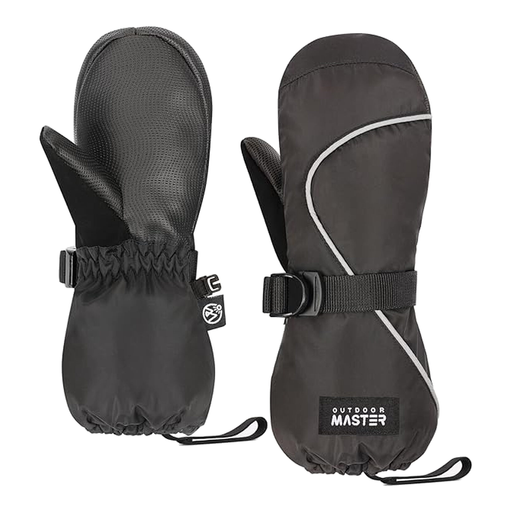
Why This Fits Their Persona: Designed for children taking part in skiing, snowboarding, sledging or general snow play during a family holiday.
The extended cuff, adjustable wrist buckle and anti-lost straps address common family problems such as snow entry and misplaced gloves.
120g thermal cotton lining; TPU waterproof inserts; reflective stripes and soft nose-wipe thumb.
We have compiled a complete, real-time list of products that fully satisfy these strict selection criteria and UK safety regulations.
A few smaller items can improve preparation and maintenance:
MIPS is a rotational-impact management system included in some ski helmets. The OutdoorMaster Diamond II and Reindeer models are listed with MIPS technology. It should be considered alongside the correct size, recognised certification, secure fastening and replacement after impact.
Use a clean microfibre cloth and follow the product instructions. Do not rub the inner lens aggressively or use household glass cleaner, as this may damage the anti-fog coating. Allow wet goggles to dry naturally before storing them in their protective case.
Lifespan depends on frequency of use, moisture exposure and storage. Check palms, seams, cuffs and insulation before every trip. Hand wash products according to their instructions, air dry away from direct heat and replace them when waterproofing, warmth or structural protection has noticeably deteriorated.