Bakers focused on even browning
If your almond biscuits have browned edges before their centres are ready, heat distribution and temperature control deserve attention. Which? identifies both as factors in assessing ovens for baking.


For almond biscuits, prioritise evidence of even heat distribution and accurate temperature control over cavity size or cleaning features: Which? identifies uneven heat as a cause of burnt biscuit edges. A built-in single oven can suit one tray or batches baked in succession; consider stated multi-level baking or a double oven if you regularly need several trays or a separate cavity for other picnic food. Check the exact model’s fit, electrical connection and supplied accessories before ordering.
If your almond biscuits have browned edges before their centres are ready, heat distribution and temperature control deserve attention. Which? identifies both as factors in assessing ovens for baking.
Several trays for a picnic make shelf layout and stated multi-level baking capability more useful checks than cavity litres alone. A separate oven cavity may matter if other food needs a different schedule.
If crumbs and sugary residue make cleaning a priority, compare the method offered by the exact model. The Bosch, AEG, Beko and Hotpoint models described by their manufacturers use different cleaning approaches.
Start with baking consistency, then decide how many trays or separate cooking schedules you actually need; compare cleaning routines once those requirements are clear.
| Concern | What to check | Who this matters to |
|---|---|---|
| Even baking | Seek exact-model evidence of heat distribution and temperature accuracy where available. Treat a fan or airflow claim as a feature description, not a baking result. | If pale almond biscuits brown at the edges before the middle is ready, I want more confidence in how evenly the oven heats. Around 50% of consumers put baking consistency first. |
| Usable batch space | Check tray dimensions, supplied shelves and stated multi-level capability; assess both cavities separately in a double oven. | When I am making several picnic trays, or cooking another dish alongside them, the baking schedule matters more than a litres figure alone. Roughly 30% of consumers make batch space or separate scheduling their primary concern. |
| Cleaning routine | Identify the exact model’s cleaning system and read its instructions and restrictions. | If I bake often, I want a cleaning routine I will actually use after crumbs or spills. About 20% of consumers place cleaning convenience first. |
Which? highlights heat distribution and temperature accuracy in oven testing. A manufacturer’s airflow description does not establish how an exact model will brown a tray of biscuits.
Use the stated baking modes to narrow your choices, then look for independent results for the model. If those are unavailable, try one tray before preparing the full picnic batch.
Some built-in ovens require an electrician to connect them. An oven that does not fit the housing or suit the electrical circuit cannot be chosen on baking features alone.
Compare the installation drawing, ventilation instructions and electrical requirements with your kitchen; ask a qualified installer if the fit or circuit is uncertain. Electrical Safety First advises qualified electrical fitting.
Installation may also involve electrical or cabinetry work.
Capacity does not tell you the width of a baking tray, what accessories come with the oven or whether several shelves can be used for biscuits at once.
Check the tray and shelf arrangement and the exact model’s stated multi-level function. Choose separate cavities when different cooking schedules are a recurring need.
Catalytic liners, steam-assisted cleaning and pyrolytic programmes involve different routines and are fitted to particular models, not every oven from a brand.
Read the model manual to see what each cleaning cycle requires and which surfaces or accessories need separate attention.
Built-in single and double ovens with model-dependent hot-air, steam and cleaning features.
Built-in ovens including double-cavity options for separate cooking schedules.
Built-in single ovens with stated airflow features and model-specific cleaning options.
Built-in ovens with multi-level cooking and selectable cleaning systems on certain models.
Built-in ovens with access and multi-level baking features on selected models.
These built-in single and double ovens relate to two ways of planning a picnic bake: running biscuit trays in one cavity or using separate cavities when other food needs its own schedule. Compare the exact model’s baking evidence, accessories and installation requirements before choosing.
 No image available
Consider two cavities if biscuits and another picnic dish need separate cooking schedules.
Check the shelf and tray arrangement for your batch, and confirm the housing and electrical connection with the installation instructions. A stated hot-air feature alone does not establish even browning for this model.
 No image available
This double-oven format is worth considering if you regularly need a separate cavity while baking picnic biscuits.
Its stated 90cm format makes the kitchen opening an important check. Confirm the connection requirements, supplied trays and the functions of each cavity before ordering.
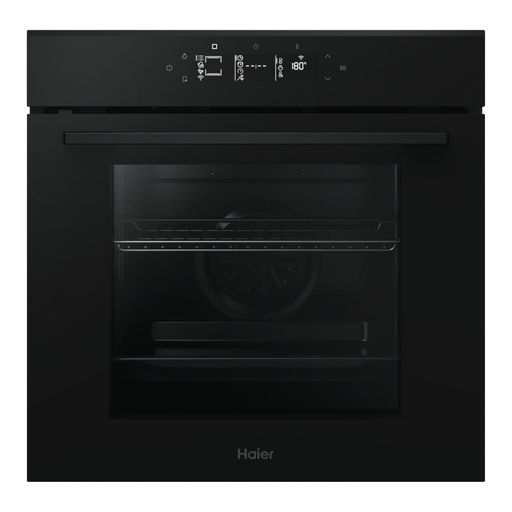 No image available
A single cavity may suit biscuit batches you can bake in succession rather than alongside another dish.
The stated capacity is 70L; check usable tray space and the installation instructions separately. Confirm the model’s maximum temperature in its current manual before relying on a particular cooking range.
 No image available
Consider a single oven if one tray at a time, or successive biscuit batches, fits your picnic preparations.
If you intend to use several shelves together, confirm the model’s baking instructions and supplied trays. Check the required kitchen opening and electrical connection before purchase.
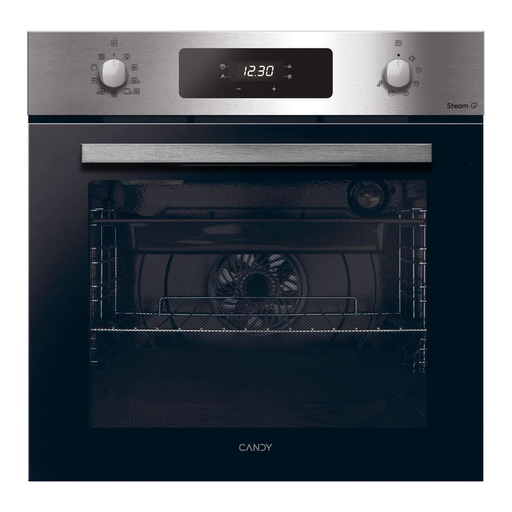 No image available
This single-oven option may suit successive biscuit batches when a pyrolytic cleaning programme also fits your maintenance preferences.
Check tray dimensions and the model’s instructions before planning several shelves at once; shelf positions or a fan mode alone do not establish even multi-tray baking. Confirm the kitchen fit and electrical requirements.
No particular fan label guarantees evenly baked almond biscuits. Which? identifies heat distribution as important for avoiding burnt edges, so look for exact-model information on heat distribution and temperature accuracy where possible.
A double oven is useful when you regularly need biscuits and other food on separate cooking schedules; one cavity can be enough if you can bake trays in succession. Check each cavity’s functions, usable space and shelves rather than assuming both are alike.
Do not plan to run an oven from an extension lead. Check the exact model’s electrical requirements and arrange a suitable connection; Electrical Safety First advises having an oven fitted by a qualified electrician.
Check the exact model’s connection instructions rather than assuming all built-in ovens are alike. Bosch and NEFF specify no plug and electrician connection for their HQA534BS3B and B54CR71N0B models respectively; seek qualified advice if your kitchen’s circuit or the installation requirements are uncertain.
Check collection and disposal options before the replacement arrives, including any retailer take-back service and your local authority’s arrangements. GOV.UK explains that waste electrical and electronic equipment rules are intended to support recovery, reuse and recycling.