Occasional bake-sale bakers
If you make one or two trays for an occasional event, a second oven cavity may add little to your baking routine. Focus on whether a single oven accommodates your tins and the batches you plan to make.


For apple slices baked one recipe at one temperature, start with a fan-assisted single oven if your tins fit and the model documents the shelf arrangement you need. A double oven makes more sense when you regularly need a separate cavity or two temperatures, but it also needs suitable kitchen space. Whichever type you choose, check the installation dimensions and electrical requirements before ordering.
If you make one or two trays for an occasional event, a second oven cavity may add little to your baking routine. Focus on whether a single oven accommodates your tins and the batches you plan to make.
If you prepare several trays in one session, shelf positions, tin fit and documented multi-level fan cooking matter more than cavity volume alone. Consider how you will clean up after fruit fillings, too.
If this oven will replace an existing appliance, establish whether you need a built-in oven or a freestanding cooker. Match the installation space and electrical requirements before comparing baking and cleaning features.
Choose it when: You usually bake one recipe at one temperature and can fit the required trays in one cavity.
Trade-off: It cannot cook a separate dish at a different temperature at the same time.
Choose it when: You regularly need apple slices in one cavity while cooking something else, or need two temperatures simultaneously.
Trade-off: The extra cavity requires suitable kitchen space; check each model’s installation arrangement.
Choose it when: You need to replace the hob as well as the oven, or do not have a suitable built-in cabinet.
Trade-off: It is not a like-for-like built-in replacement: allow for its floor space and electrical connection.
For consumers choosing an oven for bake-sale apple slices, consider the need that would most affect your purchase: baking several trays, fitting the kitchen or managing clean-up.
| Concern | What to check | Who this matters to |
|---|---|---|
| Even multi-tray baking | Check the model’s stated multi-level fan capability and whether your tins fit its usable shelf positions. | If I have several trays to finish in one session, consistent baking across their positions comes before extra programmes. Around 45% of consumers put multi-tray baking first. |
| Kitchen fit and electrical connection | Compare installation dimensions and the model’s electrical requirements with your kitchen; ask a qualified electrician about circuit suitability if needed. | When replacing an oven, I need the new appliance to fit and connect appropriately before its convenience features matter. Roughly 37% of consumers make kitchen fit and electrical compatibility their primary concern. |
| Cleaning effort | Check the exact model’s cleaning system and which cavity surfaces it covers; trays and door glass may still need attention. | After repeated sticky fruit bakes, I would put easier clean-up ahead of additional tray capacity. For around 18% of consumers, cleaning is the leading concern. |
A capacity figure does not tell you whether your tins fit, how many shelf positions you can use together or how evenly the oven bakes across them.
Measure your tins and compare the model’s internal dimensions and shelf arrangement. Which? assesses baking performance in its independent oven tests, which can help when comparing particular models.
Some ovens require hardwiring and a suitable circuit. Electrical Safety First advises checking an oven’s power requirements before choosing it.
Read the exact model’s installation instructions and power rating. If you are unsure about the connection or existing circuit, consult a qualified electrician before ordering.
Depending on the appliance and existing wiring, electrical work may also need to be arranged before installation.
Catalytic and pyrolytic systems work differently, and neither removes every task involved in cleaning trays, glass and other exposed areas.
Check which system the exact model has and what its instructions require before selecting it for easier clean-up after apple-slice baking.
Relevant if you are considering a built-in oven with Bosch’s 3D Hotair feature for baking on more than one level.
Relevant if you are comparing built-in fan ovens with SurroundCook and model-specific cleaning options.
Relevant if you are looking at built-in single ovens with Multiflow or Active Multiflow airflow features.
These built-in single and double ovens offer different ways to plan apple-slice batches. Compare each model’s stated shelf arrangement and cleaning features, then check that its installation requirements suit your kitchen.
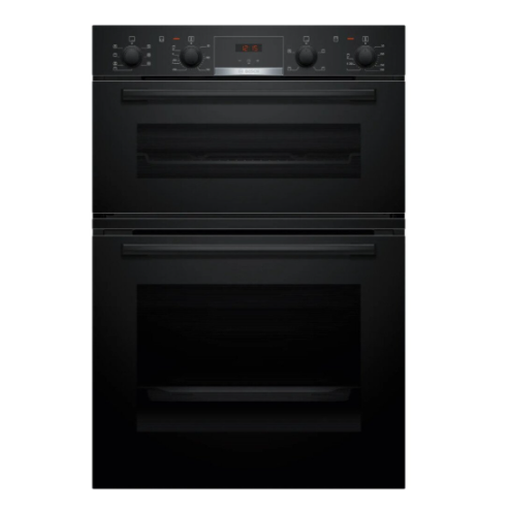 No image available
Consider the two cavities if you want separate cooking space while preparing apple slices. The listing gives capacities of 71 L and 34 L, five positions in the main oven and Bosch 3D Hotair for multi-level cooking.
This model is listed for eye-level installation, not under a worktop, and specifies a 5.9 kW hardwired load. Check the housing, ventilation requirements and household circuit before buying.
 No image available
The separate cavities may suit baking alongside another dish. The listing describes a 72 L fan main oven with three shelves and five positions, a 38 L conventional second oven, and catalytic liners in the main oven.
Compare your tins with the usable shelf spacing and confirm the eye-level housing dimensions. The oven is listed as hardwired; check its connected load and circuit requirements in the installation instructions.
 No image available
For one recipe at one temperature, this 66 L single oven offers Bosch 3D Hotair, which the listing describes as intended for cooking on up to three levels.
Check the usable shelf positions and spacing against your tins before planning several trays. The listing specifies hardwiring and a 3.3 kW load; confirm installation clearances and circuit suitability.
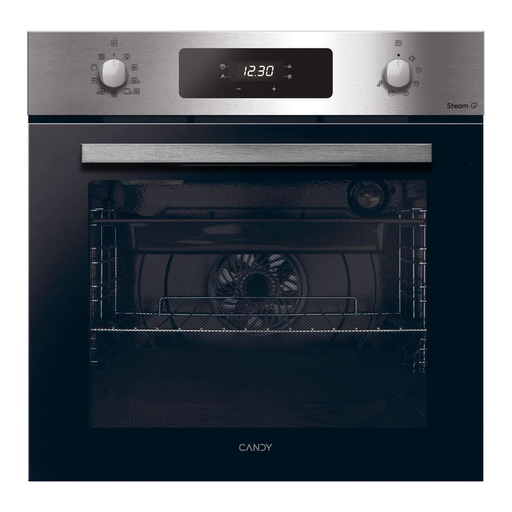 No image available
If cleaning after fruit bakes is a priority, this model lists pyrolytic cleaning alongside a 71 L cavity, fan-assisted cooking and four shelf positions.
Four positions do not establish how many of your trays can bake together: check tin fit and shelf spacing. Confirm the cabinet cut-out and electrical requirements; the listing instructs users to remove shelves and trays before a pyrolytic cycle.
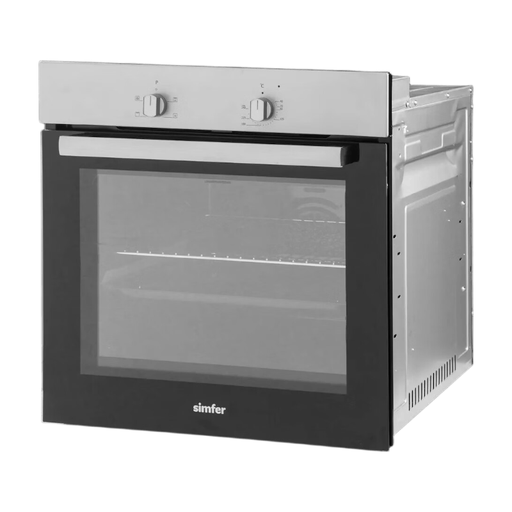 No image available
This 56 L single oven is an option for baking one recipe in a fan-assisted cavity. Its listing specifies a turbo fan, a wire shelf and a grill pan set.
Check shelf spacing and your tin fit before relying on simultaneous tray baking, and confirm the electrical and installation requirements. The listed grill pan set does not include a handle.
Not if a single oven fits your tins and the batches you need to bake at one temperature. Consider a double oven when you regularly need a second cavity for another dish or a different temperature; check that its installation arrangement fits your kitchen.
Check both the oven’s documented multi-level cooking capability and the fit of your tins on its usable shelves. Bosch and AEG describe multi-level operation on specified models, but a feature claim does not tell you whether your particular trays will fit; Which? assesses baking performance in independent oven tests.
Do not assume the new oven uses the same connection as your old one. Electrical Safety First advises checking its power requirements, and some models require hardwiring; consult a qualified electrician if the connection or circuit suitability is unclear. In England, GOV.UK’s Approved Document P provides guidance on electrical safety work in dwellings; check the applicable requirements if you live elsewhere in the UK.
No: they are different cleaning systems. Catalytic cleaning uses treated panels to address some residue during cooking, while AEG describes pyrolytic cleaning as converting food residue into ash. Check the exact model’s cleaning instructions and the areas you will still need to clean yourself.