Batch-cooking hosts
You plan to spread aubergine slices across several trays, perhaps while preparing other dishes. Usable shelf positions and the exact model’s multi-level cooking capability matter more than cavity volume alone.


A built-in single oven with model-stated multi-level cooking suits several trays of aubergine slices if the trays fit and the oven can be installed in your kitchen. Choose a double oven if another dish needs its own temperature or timing, but check each cavity’s usable space, the cabinet fit and the electrical requirements before ordering.
You plan to spread aubergine slices across several trays, perhaps while preparing other dishes. Usable shelf positions and the exact model’s multi-level cooking capability matter more than cavity volume alone.
You are replacing a built-in oven and need to match the new appliance to your cabinet and electrical arrangement before choosing extra functions.
You expect oil splashes and baked-on residue after a gathering, so the type of cleaning system is part of the decision.
Choose it when: You mainly need several trays of aubergine in one cavity and the exact model supports the shelf arrangement you intend to use.
Trade-off: One cavity cannot cook a second dish at a different temperature at the same time.
Choose it when: Aubergine and another dish need separately controlled cooking; NEFF describes its double ovens as providing two cooking zones.
Trade-off: It needs suitable housing, and a separate second cavity does not establish that either cavity will take your largest tray.
| Concern | What to check | Who this matters to |
|---|---|---|
| Several trays at once | Check the model’s stated multi-level capability, usable shelf spacing and the size of trays that fit together. | If I am serving everyone together, I need room to cook several trays without assuming that a litre figure tells me how they will fit; around 40% of consumers put batch cooking first. |
| Kitchen compatibility | Compare the installation instructions with your cabinet opening, ventilation space and electrical supply. | When replacing a built-in oven, I need it to fit my existing kitchen and connect appropriately before its cooking features matter; for roughly 30% of consumers, compatibility is the primary concern. |
| Cleaning after cooking | Check which cleaning method the exact model offers and whether it covers the whole cavity or particular surfaces. | I would rather reduce the work of clearing oil and food residue after the meal while keeping useful cooking options; around 30% of consumers place clean-up and flexibility first. |
A nominal width does not establish the cabinet opening, depth clearance, ventilation needs or electrical connection. Bosch GB, for example, publishes model-specific dimensions and a plug type for the HHF113BA0B.
Measure the opening and check the shortlisted model’s installation instructions and your electrical arrangement before ordering.
An incompatible opening may require cabinet alterations or additional installation work.
Capacity in litres does not tell you the tray dimensions, shelf spacing or whether several levels can be used together. Hotpoint UK and NEFF GB describe multi-level cooking for particular models, not every oven in their ranges.
Compare the usable shelf layout and supplied trays with the batches you intend to cook.
Catalytic liners, high-heat pyrolytic cycles and steam-assisted cleaning address residue in different ways; a cleaning label alone does not tell you which surfaces or tasks it covers.
Read the exact model’s cleaning instructions and choose the method that matches the residue you expect to deal with.
A built-in single-oven range worth examining when cooking on several shelves and cleaning options matter.
Its built-in single and double ovens offer formats to compare when deciding between one cavity and separate cooking zones.
Its built-in range includes straightforward single ovens as well as steam-enabled and double-oven formats.
Its single and double ovens are relevant to a choice between multi-level cooking and separately controlled cavities.
These built-in single and double ovens offer different ways to plan the aubergine batch and any accompanying dishes. Compare their exact installation requirements, usable trays and electrical connections with your kitchen before choosing.
 No image available
Consider the double-oven format if an accompanying dish needs a separate cooking cavity while you prepare aubergine slices.
Check that your housing accommodates this 90 cm model, and confirm the usable tray sizes, supplied accessories and electrical requirements before ordering.
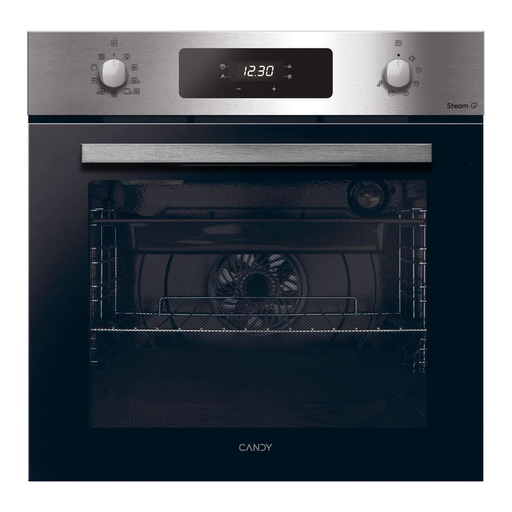 No image available
This single oven is relevant if you want to cook the aubergine in one cavity and value a pyrolytic cleaning option afterwards.
Confirm how your intended trays fit across its usable shelf positions, along with the cabinet opening and electrical connection.
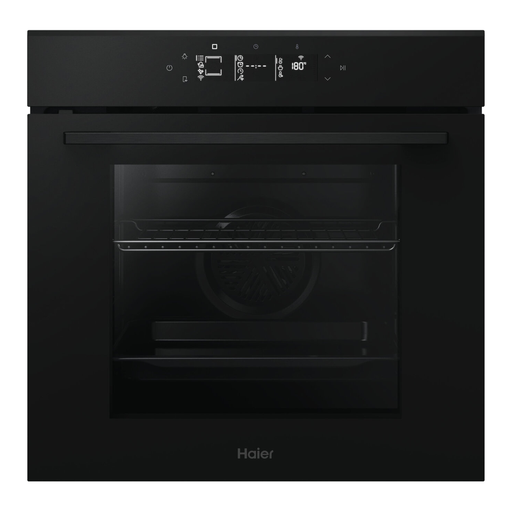 No image available
Consider this single-cavity model if stated capacity is important to your batch plan, but establish how many trays of aubergine will actually fit together.
The product name specifies 78 L and Air Fry. Check shelf spacing, the installation opening and the electrical connection for the exact model.
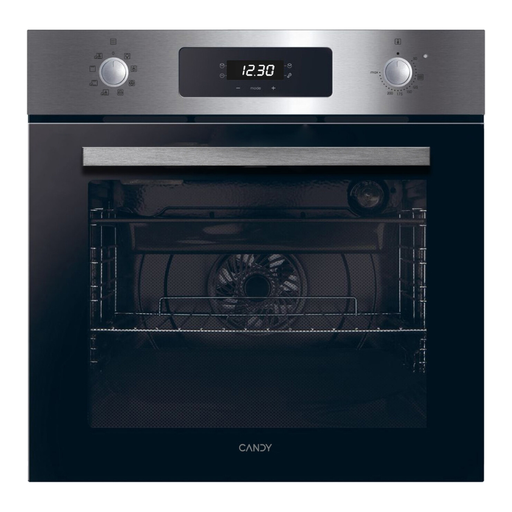 No image available
This single oven is a candidate for cooking aubergine batches in one cavity if its tray layout works for your serving plan.
The product name specifies 70 L. Confirm shelf spacing, supplied trays and the electrical connection against the model’s installation information.
 No image available
Consider this single-oven format if you intend to cook aubergine trays in one cavity; check the tray sizes and shelf spacing against your batch.
The Joybuy listing and Bosch GB’s specification give conflicting electrical connection details for the HHF113BA0B. Confirm the connection for the supplied unit, as well as the cabinet opening, before ordering.
Choose a single oven if several aubergine trays can cook together in one suitable cavity; choose a double oven if another dish needs a separately controlled temperature or timing. NEFF describes its double ovens as providing dual cooking zones, but check each shortlisted model’s cavity and tray dimensions before deciding.
Yes: check the exact oven’s power and connection requirements against your kitchen’s electrical arrangement. Electrical Safety First advises reviewing power requirements before choosing an oven and consulting a qualified electrician if you are unsure about installation.
Check the energy label for the particular oven you are considering. GOV.UK states that products within the scope of UK energy-labelling rules must display an accurate label at the point of sale, including on a website; use the model’s label rather than assuming its energy class from another variant.
Choose by the cleaning task you want to make easier, then check the exact model’s instructions. AEG describes catalytic cleaning for grease on coated surfaces, while Hotpoint lists high-heat pyrolytic and steam-based options on particular models; the methods and their coverage differ.