Batch-baking organiser
You need to finish several trays of shortbread within a limited preparation window. Usable shelf space, timed controls and consistent results matter more to you than a long list of cooking modes.


Start with a single electric fan oven if its cavity and shelves accommodate your planned shortbread batches and you do not need to cook other food at the same time. Consider a larger single cavity or a double oven when the extra cooking space serves a clear need, but check cabinet fit, electrical requirements and exact-model baking results before choosing.
You need to finish several trays of shortbread within a limited preparation window. Usable shelf space, timed controls and consistent results matter more to you than a long list of cooking modes.
You are replacing an oven or fitting one into existing cabinetry. The housing dimensions and electrical connection may decide which oven formats you can use before cavity size becomes a consideration.
You make shortbread for an infrequent charity, school or community sale and may be able to complete it in a single cavity. You also need to consider safe food handling and how to communicate ingredients and allergens.
Work out how many trays you need to bake and whether another dish must cook at the same time; that determines whether one cavity is enough. Then check the oven against your kitchen space and electrical setup, and compare exact-model baking tests where available: Which? assesses control accuracy at different oven positions and set temperatures.
| Concern | What to check | Who this matters to |
|---|---|---|
| Batch capacity and repeatable results | Compare usable shelf positions and supplied trays, then look for exact-model evidence on heat distribution and temperature accuracy. | If I have several trays to finish before the sale, I need enough cooking space without assuming every shelf will bake alike. Around 50% of consumers put batch throughput and repeatable results first. |
| Kitchen fit and electrical connection | Compare the housing with the model's installation diagram and confirm its total electrical loading and connection instructions. | If my existing unit or electrical supply limits what I can install, extra capacity is useful only after the oven fits safely. For around 30% of consumers, fit and connection are the primary concern. |
| Cleaning and controls | Check the cleaning method and whether the timer and controls suit repeated batches. | For an occasional sale, I want to keep track of baking time and manage the clean-up without choosing features I will seldom use. Straightforward controls and cleaning come first for around 20% of consumers. |
Ovens with similar widths can require different housing heights. A standard single oven is described as roughly 60 cm tall, while a built-under double is around 70 cm tall.
Measure the available housing and compare it with the exact model's installation diagram, including the required clearances, before ordering.
An unsuitable aperture can mean changing cabinetry or arranging a replacement appliance.
Connection requirements vary by model. For example, AEG lists 4,800 W total electrical loading for its OU5CU40K built-under oven.
Check the oven's loading and installation instructions, then arrange appropriate installation advice before purchase.
Electrical work may need to be arranged before the oven can be installed.
A named fan function describes an oven's intended capability, not the result of every shortbread recipe on every shelf. Which? tests heat distribution and control accuracy separately from feature descriptions.
Compare independent results for the exact model where available, and make a small trial batch before baking the sale stock.
An oven choice does not settle the food-handling, registration or allergen questions associated with selling shortbread. GOV.UK says the local authority may decide that registration is unnecessary for very limited and infrequent community food activity; food businesses have allergen-information duties.
Keep an accurate record of the ingredients you use and check the requirements with your local authority if the sale is regular or organised.
AEG has named single and built-under electric oven models with different cavity layouts and cleaning functions.
NEFF is relevant when comparing named built-in models with multi-level hot-air functions.
Hotpoint has a named built-in model for shoppers considering a larger single cavity and integrated cleaning functions.
These built-in single and double ovens offer starting points for different bake-sale plans. Choose a single cavity if you can bake in successive batches; consider a double oven if you need a separate cooking space for other food, and check each model's installation requirements.
 No image available
Consider this built-in double oven if shortbread and another sale-day dish need separate cooking spaces. Check the cavity sizes, housing diagram and electrical connection before ordering.
 No image available
If you need two cooking spaces, compare this double oven's cavity arrangement with your baking plan. Its stated 90 cm format makes the installation diagram and electrical requirements important checks.
 No image available
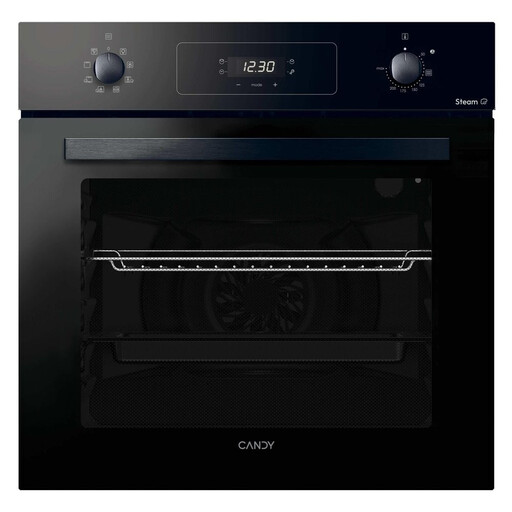
This single-cavity option suits a plan to bake successive shortbread batches rather than cook separate dishes in parallel. Check its shelf arrangement, cabinet cut-out and connection instructions.
 No image available
For several shortbread trays in one cavity, check this model's shelf layout and look for exact-model baking results rather than relying on a cooking-mode name. Confirm the required housing and electrical connection.
 No image available
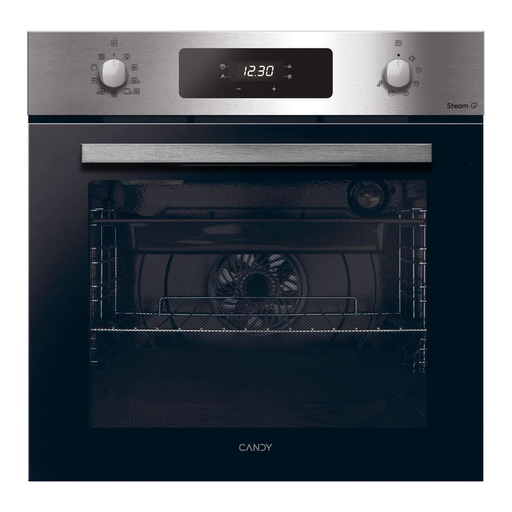
Consider this single-cavity oven if cleaning effort matters alongside your shortbread batches. Check how its pyrolytic cleaning cycle is used, as well as the housing and electrical requirements.
Not if one cavity can accommodate your planned tray batches and you do not need to cook other food simultaneously. Consider a double oven for genuinely separate cooking tasks, then confirm that its housing and electrical requirements suit your kitchen.
A fan function alone cannot establish that every tray will bake alike. Which? assesses oven-control accuracy at different positions and set temperatures; compare independent results for the exact model where available, particularly if you intend to use several shelves.
Measure the available housing height, width and depth, then check the exact model's installation diagram and clearances. Standard single ovens are commonly around 60 cm tall and built-under doubles around 70 cm tall, but those general dimensions cannot replace the model's fitting instructions.
No; check the exact oven's loading and specified connection before arranging installation. Ovens below 3 kW can use a standard 13 A fused connection, while those above 3 kW require a higher-rated connection; the installation instructions determine what your chosen model needs.
A very limited and infrequent sale may not require registration, but the local authority decides whether the activity qualifies, according to GOV.UK guidance on community and charity events. Food Standards Scotland similarly says occasional food preparation or service is unlikely to require registration. Keep accurate ingredient information, and check applicable allergen duties and local-authority requirements if the activity is regular or organised.