One-off party biscuit bakers
If this is mainly for one birthday party, focus on the trays you need to bake, the available shelf positions and controls you can use confidently. You need not choose a larger format solely for this event.


For one birthday party, start with a fan-assisted single oven if its shelves accommodate your planned biscuit trays and it fits the kitchen. A double oven becomes useful when another dish needs its own cavity at the same time; consider a freestanding or range cooker when you are replacing the cooker as a whole. Check tray fit, installation requirements and the cleaning method before ordering.
If this is mainly for one birthday party, focus on the trays you need to bake, the available shelf positions and controls you can use confidently. You need not choose a larger format solely for this event.
If you regularly bake several trays or prepare other food alongside the biscuits, separate oven cavities may make scheduling easier. Check that your kitchen can accommodate the format.
If you are replacing a fitted oven or an entire cooker, the existing opening or floor space and the required electrical or gas connection will shape your options.
Choose the oven format around the cooking tasks you need to run at once, then check the trays, kitchen space and installation requirements against a specific model.
Choose when: One cavity can handle the planned biscuit batches in an existing fitted-oven space.
Trade-off: A separate dish cannot use another oven temperature at the same time.
Choose when: Biscuits and other party food need separate cooking cavities.
Trade-off: It needs suitable housing, and the smaller cavity may not fit your usual tray.
Choose when: You are replacing the whole cooker and also need a hob.
Trade-off: A second grill cavity is not necessarily a second baking oven.
Choose when: Frequent larger gatherings justify multiple cooking cavities and the kitchen has room.
Trade-off: A wider cooker needs appropriate space and connections; gas work requires a suitably qualified Gas Safe registered engineer.
| Concern | What to check | Who this matters to |
|---|---|---|
| Consistent biscuit batches | Check fan settings and shelf positions. Where available, consult independent results: Which? tests heat distribution and temperature-control accuracy separately. | If I am baking several trays, I want to avoid one batch browning much sooner than another; around 42% of consumers put consistent baking first. |
| Capacity and scheduling | Check whether your trays fit the usable shelves and whether a second cavity can take the other party food you plan to cook. | When biscuits and other food need cooking at once, I want enough room to keep those tasks separate; capacity and scheduling come first for around 33% of consumers. |
| Fit, installation and clean-up | Compare the installation drawing and connection requirement with your kitchen; check what the model's cleaning method involves. | If I am replacing an appliance, I need one that fits my kitchen and can be connected appropriately without making clean-up impractical; roughly 25% of consumers make these checks their primary concern. |
A fan setting does not establish how accurately a particular oven controls temperature or distributes heat. Which? treats these as separate measures in its oven testing.
Look for independent results for the model where available, and make a trial batch before the party if the oven is unfamiliar.
Ovens with similar stated capacities can have different external dimensions and shelf layouts. Volume alone will not tell you whether your baking tray fits.
Measure the housing or floor space and your trays, then compare them with the model's dimensions and installation instructions.
Connection requirements differ between ovens and cookers. Electrical Safety First advises checking an oven's power requirements, while Gas Safe Register says gas appliance work should be carried out by a suitably qualified registered engineer.
Confirm the exact model's connection requirements before ordering and arrange appropriate professional work where needed.
A connection that needs professional work also needs to be allowed for in the installation plan.
Pyrolytic, steam-assisted and other cleaning approaches involve different steps; a cleaning label alone does not tell you what you will need to do after a spill.
Read the model instructions and choose a method whose preparation and wipe-down steps suit you.
Relevant if you are comparing built-in single and double oven formats.
Relevant if you are deciding between a built-in oven and a complete cooker.
Relevant when a double oven's installation dimensions and electrical loading are central to the choice.
Relevant if you are comparing built-in single ovens and their cleaning options.
These choices cover built-in single ovens for biscuit batches and one built-in double oven for cooking party food separately. Check the dimensions, tray fit and connection requirements of the model you are considering.
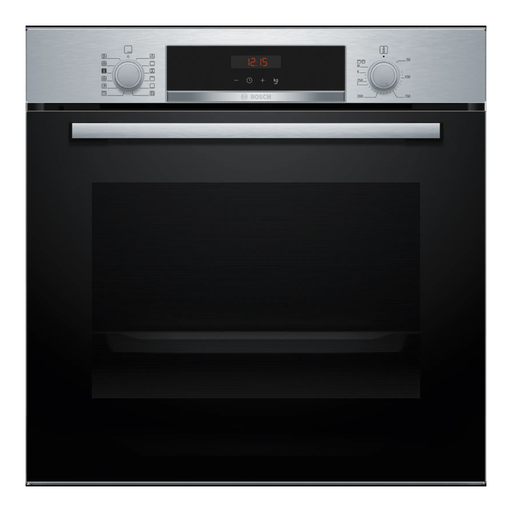 No image available
Consider this built-in single-oven format if one cavity will accommodate your biscuit batches.
Its title specifies pyrolytic cleaning. Confirm the housing and tray dimensions and the required electrical connection before ordering.
 No image available
This single-oven format is worth considering when you can bake the party biscuits without a second cavity.
Check its usable shelf and tray space, cabinet fit and electrical installation requirements.
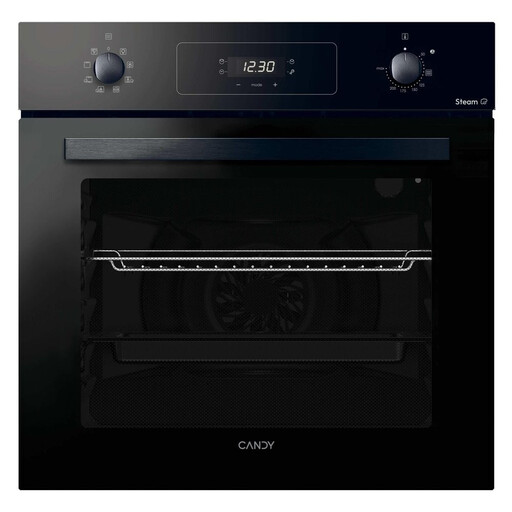 No image available
Consider its single-cavity layout for a party plan that does not need separate oven tasks.
The title states a 65 L capacity; check your tray dimensions against the usable space. Confirm the appropriate electrical connection before arranging installation.
 No image available
Consider a double oven if biscuits and another party dish need separate cooking cavities.
The title specifies a 90 cm built-in format. Check the housing dimensions, each cavity's tray fit and the electrical installation requirements.
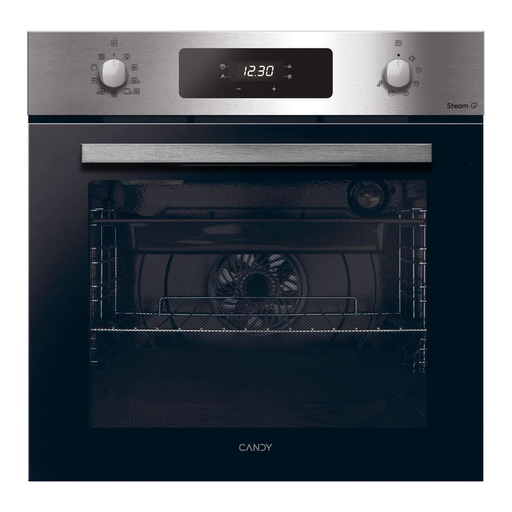 No image available
This built-in single-oven format suits a plan that does not call for a second cooking cavity.
The title specifies pyrolytic cleaning. Check the cleaning instructions, cabinet and tray fit, and electrical connection requirements for this model.
Not if a single oven's shelves and trays can handle your planned biscuit batches. A double oven is useful when another dish needs a separate cooking cavity at the same time; check the smaller cavity's tray fit rather than relying on capacity figures alone.
No. Fan cooking is relevant to baking across shelves, but results can differ by model. Which? tests heat distribution and temperature-control accuracy separately, so consult model-specific results where available.
Check the exact oven and your existing electrical setup before deciding how it can be installed. Some ovens have a plug, while others require hardwiring; Electrical Safety First advises reviewing power requirements and consulting a qualified electrician when in doubt.
Arrange for a Gas Safe registered engineer qualified for the required gas work. Gas Safe Register says registered engineers should handle the installation, removal, servicing and safety checks of gas appliances.
No. Use the oven's energy information when comparing models, but check tray fit, cooking functions and any available model-specific heat-distribution results separately.