Regular tray-batch cooks
If you prepare several portions at once, look beyond the oven’s stated capacity: your baking dishes need to fit on the available shelves with room for airflow. Cleaning after saucy recipes is part of the decision too.


For several trays of aubergine rolls, start by comparing full-size single ovens with a documented multi-level cooking function and enough usable space for your dishes. A double oven is worth considering when other food regularly needs a different temperature or timing; whichever format you choose, check tray fit, cleaning requirements and electrical installation before ordering.
If you prepare several portions at once, look beyond the oven’s stated capacity: your baking dishes need to fit on the available shelves with room for airflow. Cleaning after saucy recipes is part of the decision too.
If one built-in cavity would meet your cooking schedule, compare full-size single ovens before committing space to a double oven. Check the cabinet opening and the dimensions of the dishes you use.
If aubergine rolls often cook alongside food needing another temperature or finish time, a second cavity may be more useful than extra room within a single cavity.
Choose it when: Aubergine rolls are the main batch and your dishes can share one cooking temperature.
Trade-off: One cavity cannot independently cook a side dish at another temperature.
Choose it when: Another dish regularly needs a separate temperature or cooking schedule.
Trade-off: Check the usable space in each cavity rather than assuming both will take your usual baking dish.
| Concern | What to check | Who this matters to |
|---|---|---|
| Even cooking across trays | Check the stated multi-level function and shelf guidance; consult independent heat-distribution tests where available. | If I want several trays ready together, I need to know whether heat reaches each shelf consistently. Roughly 36% of consumers would put even multi-tray cooking first. |
| Usable space and flexibility | Compare your dish dimensions with cavity measurements and shelf positions; decide whether separate cavities would help. | When I make larger batches or add a side dish, space and scheduling matter more to me than extra cooking modes. Around 29% of consumers would prioritise capacity and flexibility. |
| Cleaning after cooking | Identify the exact cleaning system and the wiping or preparation it still requires. | After repeated batches with sauce and oil, I want a cleaning routine I can keep up with. Approximately 21% of consumers would make cleanup their primary concern. |
| Fit and installation | Check cabinet dimensions and the model’s electrical connection requirements; compare its energy information. | Before choosing cooking features, I need to know the oven will fit and how it must be connected. Roughly 14% of consumers would put fit and installation clarity first. |
Capacity does not tell you the cavity’s shape, shelf spacing or clearance around several dishes.
Measure your widest and deepest baking dish, then compare it with the oven’s internal dimensions, shelf positions and supplied accessories.
Manufacturer multi-level claims differ. Which? assesses heat distribution and temperature-control accuracy separately in its built-in oven testing.
Check the exact model’s shelf guidance and, where available, independent results rather than relying on a fan-oven label alone.
A built-in oven may require an electrical connection rather than a plug-in replacement. The work needed depends on the model and your kitchen.
Confirm the model’s connection requirements, cabinet fit and installation arrangements before ordering. Electrical Safety First recommends using a registered electrician for installation work.
Catalytic surfaces, steam-assisted programmes and pyrolytic cycles use different methods and may cover different parts of an oven.
Read the exact model’s cleaning instructions, including any preparation and wiping needed after a saucy bake.
These model examples illustrate features to compare, not functions shared by every oven from a brand.
Relevant when comparing built-in ovens with stated multi-level cooking and cleaning support.
Relevant when comparing the space and airflow features of a full-size single fan oven.
Relevant when looking at multifunction ovens with stated multi-level cooking and cleaning access features.
Relevant when comparing built-in ovens with a documented multi-level hot-air function.
These built-in single and double ovens offer different starting points for batch cooking: compare dish fit and multi-tray guidance for a single cavity, or consider the double oven when separate cooking schedules matter.
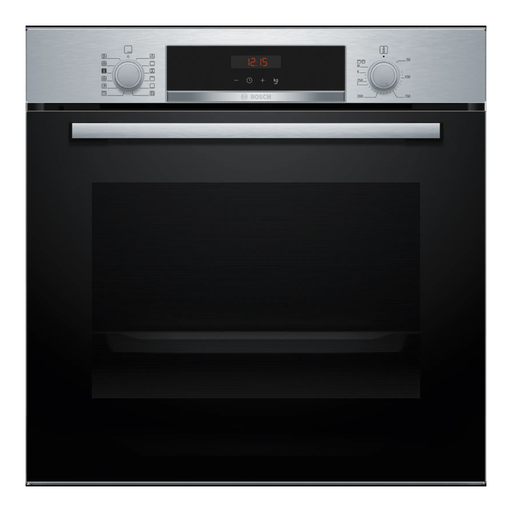 No image available
A single-oven option if cleaning after repeated saucy batches is a priority. Its title identifies a pyrolytic cleaning function; check the manual’s preparation steps and confirm that your trays fit before ordering.
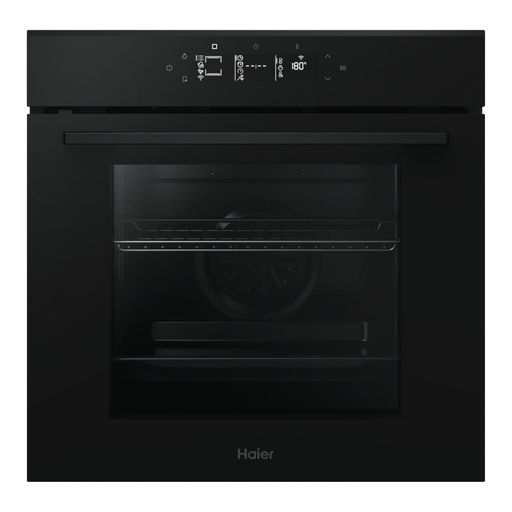 No image available
The 70L single cavity is a capacity figure to compare with your baking dishes, not a guarantee that several will fit. For multi-tray batches, confirm the supported shelf positions and the cooking temperatures you need.
 No image available
A single built-in oven to consider when your aubergine rolls can cook in one cavity. Check the model’s multi-level shelf guidance, your tray clearance and the electrical connection needed in your kitchen.
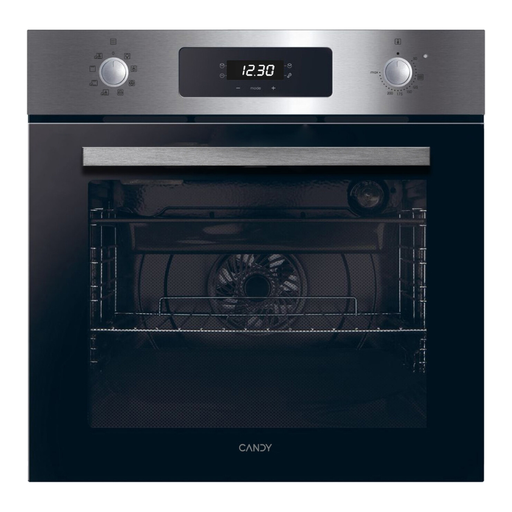 No image available
The 70L capacity makes this single oven relevant to larger batches, provided your dishes fit its shelf layout. Check the instructions for simultaneous trays rather than assuming capacity establishes even cooking across shelves.
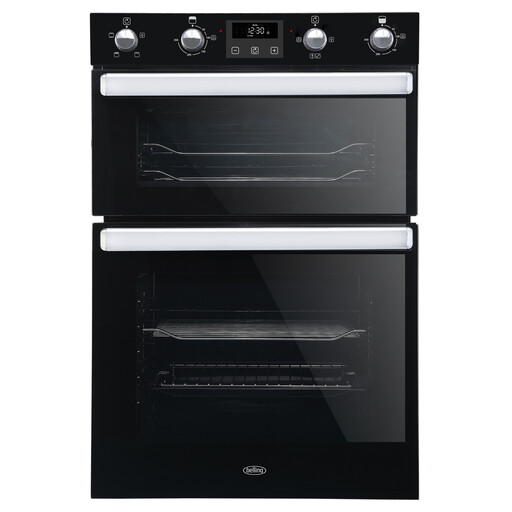 No image available
The double-oven format is worth comparing if a side dish needs its own cooking schedule. Check which of your dishes fits each cavity, along with the cabinet dimensions and electrical connection requirements.
No, not if your trays can share one temperature and fit in a single oven with suitable multi-level guidance. Consider a double oven when another dish regularly needs a separate temperature or timing, and check the usable space in each cavity.
For several trays of aubergine rolls, check the oven’s stated multi-level fan or hot-air function first. Added steam can be a separate preference, but its presence does not establish that it is needed for your recipe or that trays will bake evenly.
Check the exact appliance and the electrical work required before planning installation. NEFF specifies that its B1GCC0AN0B has no plug and needs connection by an electrician; Electrical Safety First strongly recommends using a registered electrician for installation or repair work.
Use the model-specific label and product information to compare energy details alongside cavity size and the functions you will use. Do not treat an energy class alone as a measure of tray fit or multi-level baking performance.
No. They describe different cleaning approaches, and a feature may apply to only part of the oven. Check the exact model’s manual for coverage, preparation and any wiping required afterwards.