Party-food batch cooks
You want room for beetroot wedges or similar tray food while other party dishes compete for oven space. Shelf positions and the cooking function matter as much as the stated cavity size.


For beetroot wedges and other dishes cooked at one temperature, start by comparing full-size single ovens with a model-specific fan or hot-air function and enough room for your roasting trays. If the party menu needs different temperatures at the same time, consider a double oven, a compatible dual-zone model or a range cooker; the available kitchen space and electrical connection may decide which format is practical.
You want room for beetroot wedges or similar tray food while other party dishes compete for oven space. Shelf positions and the cooking function matter as much as the stated cavity size.
You need to cook wedges alongside a dish that calls for a different temperature or cooking mode. Separately controlled cavities or suitable dual-zone models are worth comparing.
You are replacing or fitting an oven, so its format, installation dimensions and electrical connection must suit your kitchen before its cooking features become useful.
Decide whether your party food needs one cooking temperature or separate ones, then check tray space and installation requirements for the format that fits your menu.
| Concern | What to check | Who this matters to |
|---|---|---|
| Even roasting and tray space | Check the trays that will fit, usable shelf positions and the exact model’s stated fan or hot-air cooking mode. | If wedges are the main oven job, I need enough usable tray space without relying on cavity litres alone. Around 33% of consumers put even roasting and tray space first. |
| Kitchen fit and connection | Compare the installation drawing with your available space, then confirm the plug or hardwiring requirements and electrical load. | Before planning the menu, I need to know the oven will fit and can be connected appropriately. Kitchen fit and connection come first for around 27% of consumers. |
| Controls and cleaning | Check the model’s controls and the instructions for its particular cleaning system. | When I am cooking for guests, I want controls I can use confidently and a manageable clean-up afterwards. Around 20% of consumers prioritise those needs. |
| Different cooking temperatures | Check whether two cavities or zones can run at different temperatures and how much space remains for each dish. | If the wedges and another dish need different temperatures at the same time, one undivided cavity may not suit my menu. That separation is the main concern for around 20% of consumers. |
A capacity figure does not tell you whether your roasting trays fit or which shelves you can use with the intended cooking function.
Compare tray dimensions, shelf layout and the manufacturer’s instructions for multi-level cooking on the exact model.
Connection requirements differ between models. Electrical Safety First advises having an oven fitted by a qualified electrician.
Check the oven’s connection and electrical-load specifications, and confirm the installation with a qualified electrician before ordering.
A suitable installation may involve electrician time or electrical work.
Catalytic coatings, water-assisted cleaning and pyrolytic cycles have different instructions; none makes every cleaning task disappear.
Identify the system fitted to the exact oven and read its maintenance instructions before using cleaning features to choose between models.
Its UK built-in range includes standard, compact, double and steam-assisted ovens.
Its UK range includes single, double, compact and steam ovens.
Its built-in ranges include fan-cooking, SteamBake and different cleaning-system options.
Its UK range includes built-in ovens and selected Dual Cook models.
Its freestanding cookers combine an oven and hob, making them relevant to a wider kitchen replacement rather than a straightforward built-in oven swap.
These choices include built-in single and double ovens, plus a freestanding cooker. Compare the single-oven options for cooking in one cavity; look more closely at the double-oven options if your party menu needs separate dishes at the same time.
 No image available
Consider this built-in single oven if you plan to cook the wedges in one cavity. Check its cooking-mode instructions and whether your roasting trays fit; a separate dish cannot use a second oven cavity.
Confirm the cabinet dimensions and electrical connection with your installer.
 No image available
The double-oven format is worth considering when wedges and another party dish need separate cooking spaces. If they need different temperatures simultaneously, confirm independent control of both cavities.
Check tray fit, the housing dimensions and electrical requirements before ordering.
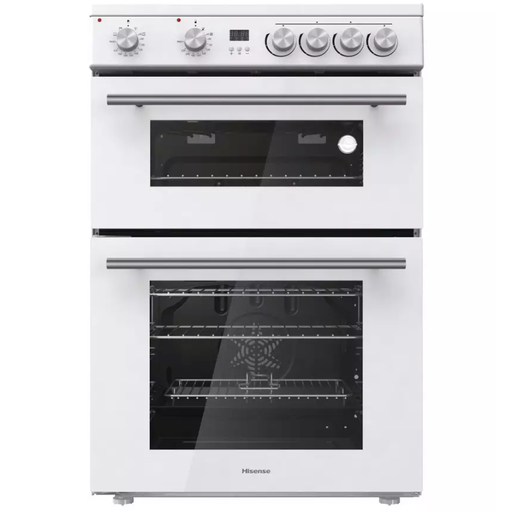 No image available
This freestanding cooker includes a ceramic hob, so consider it when replacing the cooker rather than fitting a built-in oven. Check whether its two ovens can operate at the different temperatures your party menu requires.
Confirm the available space and electrical connection with a qualified electrician.
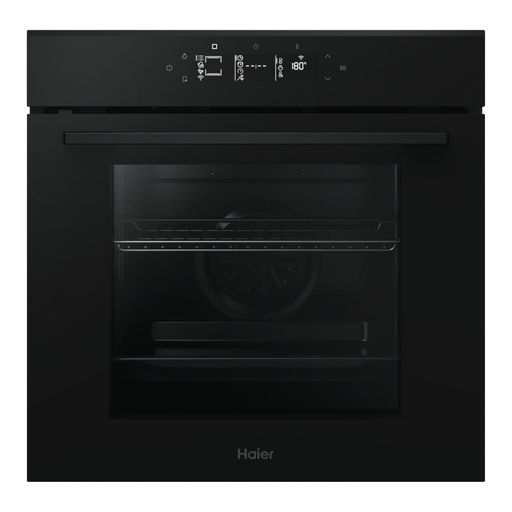 No image available
Consider this built-in oven for a menu cooked in one cavity; its stated capacity is 70 L. If you need several trays at once, check the instructions for the shelf positions available in the intended cooking mode.
Confirm the model’s temperature specification, cabinet cut-out and electrical connection before buying.
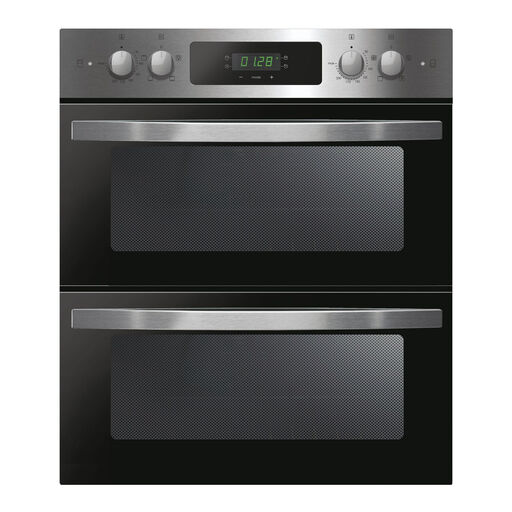 No image available
For wedges and another dish needing different temperatures, Joybuy describes two independent oven cavities on this model. Check which cooking functions are available in each cavity and whether your trays fit.
Confirm the built-under housing dimensions and electrical connection with your installer.
Not necessarily. If you want to roast more than one tray at once, compare the exact oven’s fan or hot-air function and the shelf positions its instructions allow; multi-level capability varies by model and cooking mode.
A double oven is worth considering when wedges and another dish need different temperatures or cooking modes at the same time. Check that the particular model allows the cavities to operate as your menu requires and that both the appliance and your trays fit.
Check the model’s installation dimensions, electrical load and connection type against your kitchen. Electrical Safety First advises having an oven fitted by a qualified electrician, who can assess the existing installation and the appliance’s requirements.