Regular lunchbox batch bakers
If you usually make several portions in one dish, focus on a cavity that fits that dish, a suitable cooking function and the timer controls you want for repeat baking.


If you have housing for a full-height built-in oven and usually bake one bread-pudding dish at a time, start with a single fan oven that fits your dish and has the controls you need. Consider a double oven when you regularly cook another dish at a different temperature; added steam and advanced cleaning are optional rather than requirements for bread pudding. Check the cabinet opening and electrical connection before choosing either format.
If you usually make several portions in one dish, focus on a cavity that fits that dish, a suitable cooking function and the timer controls you want for repeat baking.
If you are replacing an oven, establish whether the available space takes a full-height built-in, built-under or freestanding appliance before comparing cooking features.
If bread pudding often goes in the oven alongside another meal, separate cavities may matter more to you than the size of one large cavity.
Decide which oven format fits your kitchen, then check your baking dish against the usable cavity space. Compare extra cooking and cleaning features only after those essentials.
| Concern | What to check | Who this matters to |
|---|---|---|
| Fit and installation | Compare the measured cabinet opening with the exact model's installation dimensions and ventilation instructions. Check its electrical connection requirements. | If my replacement oven cannot fit the housing or connect safely, its cooking features are beside the point; around 34% of consumers put installation fit first. |
| Batch baking | Check your baking dish against cavity and shelf dimensions, and look for a fan or hot-air function if even heat distribution is a priority. | I want my usual bread-pudding batch to fit without relying on a litre figure alone; roughly 33% of consumers prioritise the dish fit and baking function. |
| Cleaning | Compare the exact model's cleaning system and door-access features, including what the cleaning instructions require. | When I bake lunchbox portions regularly, cleaning the oven between uses becomes an important part of the routine; around 20% of consumers put ease of cleaning first. |
| Separate cavities | Decide whether you need two cooking spaces at different temperatures, and check the size of the cavity intended for bread pudding. | If another dish often needs oven time during a bake, I would value a second cavity even if the main one is smaller; about 13% of consumers make that flexibility their first concern. |
A nominal 60 cm category does not establish the required cabinet opening, while a double oven's combined capacity does not tell you whether your baking dish fits either cavity.
Measure the housing and your usual dish, then compare both with the exact model's installation and cavity information. Built-under double ovens have a different height profile from full-height single ovens.
Electrical Safety First warns that overloading an extension lead can cause fire and notes that some ovens require hardwiring into a dedicated circuit.
Check the model's connection instructions before ordering. If your home's arrangement is uncertain, consult a qualified electrician rather than connecting the oven through an extension lead.
A second cavity helps when meals overlap, but it can leave less room in the main oven. Beko UK lists a 48 L main cavity for the CTFY22309 double oven, compared with a 72 L cavity for its BBXIF243 single oven.
If separate-temperature cooking is only occasional, check which individual cavity takes your bread-pudding dish before choosing a double oven.
Choosing an oven addresses baking, not storage before lunch. A Food Standards Agency-hosted evidence review cites a recommendation to refrigerate leftovers within two hours.
Plan refrigeration and transport as well as baking, following any stricter storage instructions in your recipe.
Relevant when comparing a full-height single fan oven with a built-under double oven.
Relevant if you also want to consider added steam and multi-level hot-air cooking in a built-in oven.
Relevant if door access and cleaning features matter alongside built-in oven cooking functions.
These built-in single and double ovens offer different starting points: consider a single oven for one usual batch, or a double oven if cooking another dish at the same time is a regular need. Check the exact housing, electrical connection and dish fit for any model you shortlist.
 Image unavailable
Consider this double-oven format if bread pudding often shares cooking time with another dish.
Check which cavity fits your dish, confirm the electrical installation requirements and verify the exact appliance height against the housing before ordering.
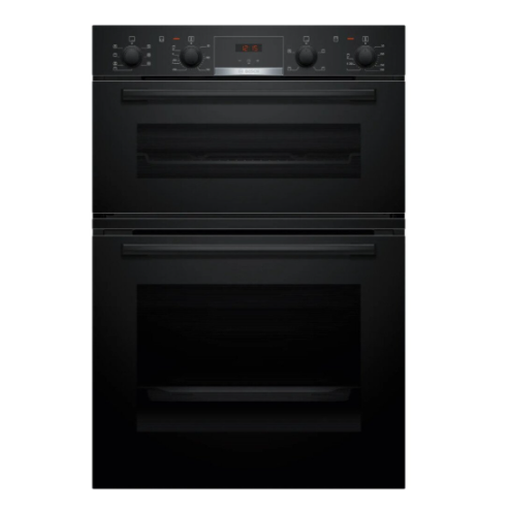 Image unavailable
Consider a double oven if you regularly need separate cooking spaces for lunchbox baking and another meal.
This model calls for an eye-level housing rather than under-worktop installation. Confirm the housing dimensions, electrical requirements and baking-dish fit.
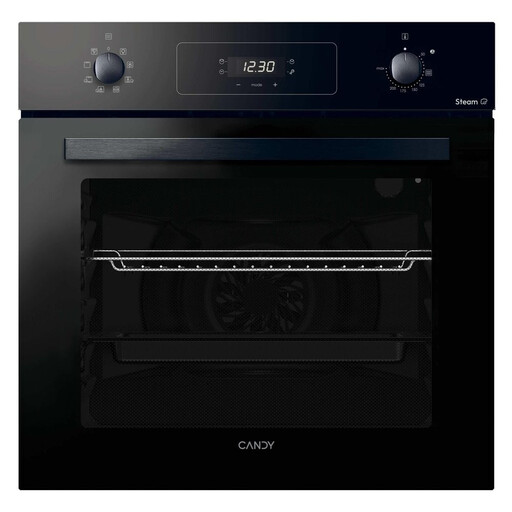 Image unavailable
A single oven is worth considering when you normally bake one bread-pudding batch at a time.
The product name specifies a 65 L capacity. Check the cabinet cut-out, dish fit and exact electrical connection instructions before purchase.
 Image unavailable
This single-oven format suits a kitchen where bread pudding is usually the only dish in the oven.
Confirm the cabinet cut-out and electrical installation requirements. If a timer matters to your routine, check its controls on the exact model before ordering.
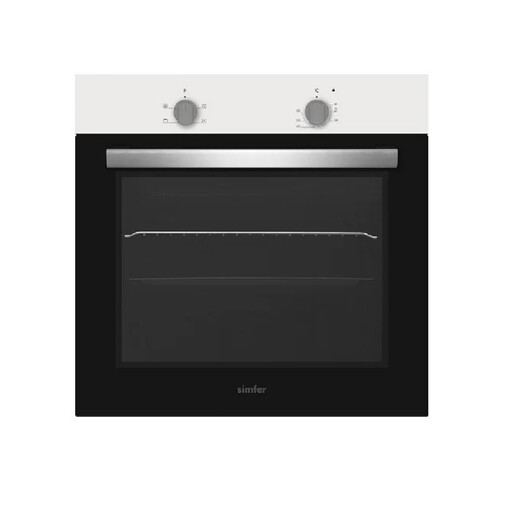 Image unavailable
Consider this single-oven format if a separate cavity for another meal is not a priority.
Check the appliance and cabinet cut-out dimensions rather than relying on packing measurements. Confirm the connection instructions, timer controls and space for your baking dish.
No, not if you usually bake one dish at a time and it fits a single oven. A double oven becomes more useful when another dish regularly needs a separate cooking space; check the individual cavity sizes, not their combined capacity.
The connection depends on the exact oven and your home's electrical arrangement. Electrical Safety First notes that some ovens use a standard plug while others require hardwiring into a dedicated circuit; check the installation instructions and seek a qualified electrician's advice when compatibility is uncertain.
Check the energy label and product information sheet for the domestic oven you are considering. GOV.UK includes domestic ovens in its energy-information guidance; an energy rating helps with that part of the comparison but does not establish cabinet fit or bread-pudding results.
Plan for refrigeration after baking rather than leaving storage until you pack the lunchbox. A Food Standards Agency-hosted evidence review cites a recommendation to refrigerate leftovers within two hours; follow any stricter recipe instructions and plan how to keep the food appropriately chilled during transport.
Neither is necessary simply to choose an oven for bread pudding. Consider added steam for your wider baking routine or pyrolytic cleaning if that maintenance feature matters to you, after checking the oven's fit, connection, dish space and everyday controls.