Frequent batch bakers
If you regularly bake several trays of rolls, compare the documented fan mode, usable shelf positions and tray space. A stated multi-level function is more informative than cavity size alone when planning simultaneous batches.


For regular batches of bread rolls, start with an oven whose fan mode and shelf arrangement suit the trays you plan to use. Steam assistance is an optional baking feature, while a double oven may help when several people need cooking space at once. Before choosing any built-in model, confirm the cabinet opening, electrical connection and who can authorise installation.
If you regularly bake several trays of rolls, compare the documented fan mode, usable shelf positions and tray space. A stated multi-level function is more informative than cavity size alone when planning simultaneous batches.
Check the available housing, electrical supply and permission to replace the appliance before settling on a model. Electrical Safety First notes that oven connections differ: some use a plug, while others need hardwiring or a dedicated circuit.
Choose a cavity and controls that everyone can maintain between uses. Which? distinguishes pyrolytic, catalytic and steam-cleaning systems, but a cleaning programme does not replace an agreed routine for spills and removable parts.
Decide whether the kitchen needs one cavity or two, then check the baking mode, fit and connection of the exact model. Treat steam assistance and cleaning programmes as additional considerations, not substitutes for those checks.
| Concern | What to check | Who this matters to |
|---|---|---|
| Batch baking | Check the specified fan or multi-level mode, usable shelf positions and whether your trays fit. | When I bake several trays of rolls, I want enough usable space without assuming every shelf will give the same result; around 50% of consumers put batch baking first. |
| Fit and installation | Measure the cabinet opening and access route; confirm the model’s connection requirements and permission for the work. | If I share a rented kitchen, an oven is only a practical choice if it can be fitted and connected with the necessary approval. For around 30% of consumers, that certainty is the primary concern. |
| Shared cleaning | Compare the cleaning system and removable parts, then agree how spills will be dealt with after use. | I need the oven to be manageable for everyone who uses it, rather than leaving the next person to clean up; maintaining a workable cleaning routine comes first for around 20% of consumers. |
Fan circulation matters for batch baking, but tray size and rack position still affect how you use a particular oven. Which? assesses heat distribution and temperature-control accuracy in its oven testing.
Check the model’s guidance for shelf use and tray placement. Watch the first few batches and rotate trays if needed.
A double built-in oven can need substantially more height than a standard single oven. For example, Neff specifies an 888 mm appliance height for the U1ACE2AG3B and says it requires electrical connection by an electrician.
Measure the opening and access route, consult the installation drawing and have the electrical provision checked before ordering.
An unsuitable opening or connection can mean cabinet work or an electrician visit before the oven can be used.
Bosch and AEG describe baking benefits for their own added-steam functions, but the result in your kitchen will also depend on the recipe, proofing and how the oven is used.
Consider steam assistance if you want that particular function, after confirming that the oven’s baking modes, dimensions and connection suit the kitchen.
Which? identifies different self-cleaning approaches, but spills and removable parts still need attention between users.
Agree who cleans after baking and check the model’s care instructions before deciding how useful its cleaning programme will be.
Bosch’s HQA534BB3B is a 60 × 60 cm built-in oven with an added-steam function and 3D Hotair, according to Bosch.
Neff’s U1ACE2AG3B illustrates the built-in double-oven route when shared cooking needs two cavities.
AEG lists the GA5PB501AB as a 71 L built-in oven with SteamBake, true fan cooking and pyrolytic cleaning.
These choices cover a built-in double oven, a freestanding cooker with two ovens and built-in single ovens. If bread rolls are the priority, check each model’s cooking-mode and shelf instructions as well as whether its format suits the shared kitchen.
 No image available
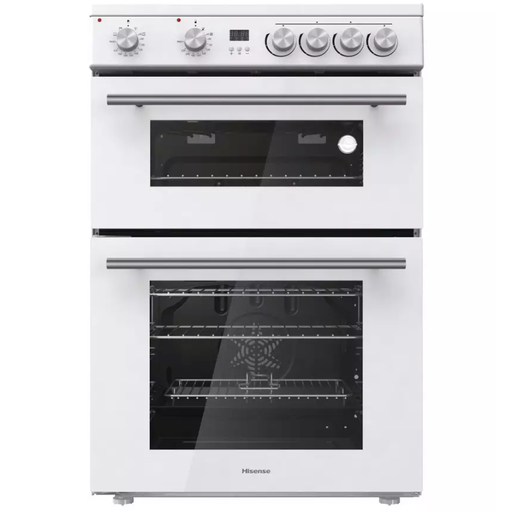
Consider this double-oven format if separate cooking spaces would make shared baking sessions easier to schedule. Check the main cavity’s guidance for baking on several shelves, along with cabinet fit and electrical connection requirements.
 No image available
This is a freestanding cooker with a ceramic hob, not a replacement for a built-in oven alone. Consider it only if replacing the cooker suits the kitchen; confirm the main oven’s shelf guidance, the stated hardwired installation requirement and the available electrical supply.
 No image available
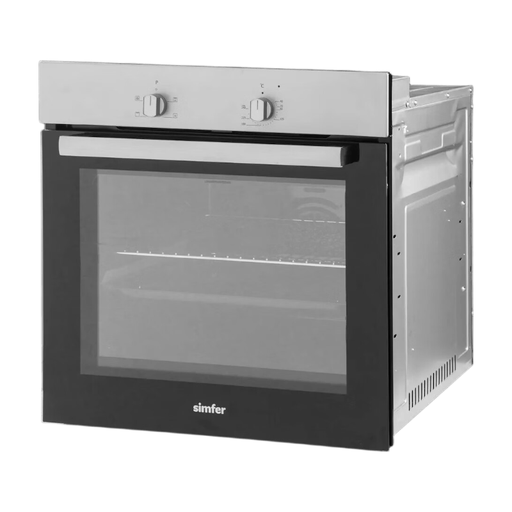
The single built-in format may suit a kitchen where cooking is normally scheduled around one cavity. Check the manual for multi-shelf roll baking, then confirm the installation cut-out and electrical connection before buying.
 No image available
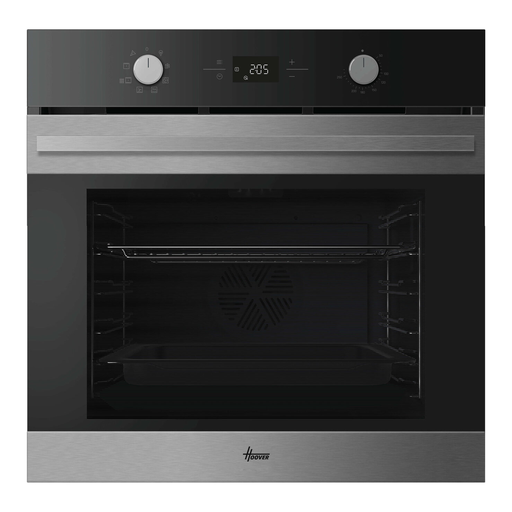
A 78 L single oven may appeal if cavity size is important for your trays. Before choosing it for repeated roll batches, check the exact fan mode and multi-shelf guidance, plus the installation and electrical requirements.
 No image available
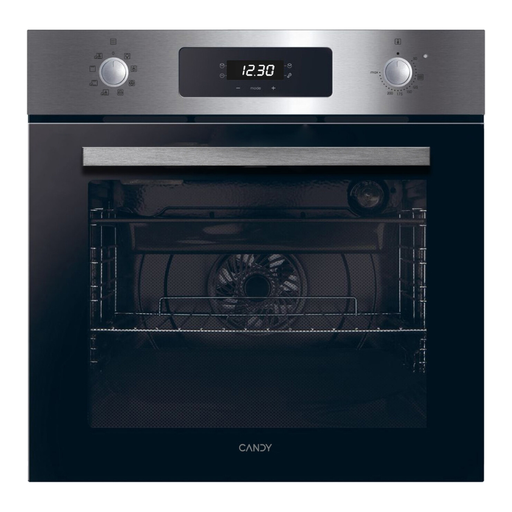
This 70 L single oven is an option to assess if a built-in format suits the shared kitchen. Check its precise cooking modes and shelf guidance for rolls, and confirm the cut-out and electrical connection before purchase.
Yes: check the exact oven’s rating and installation instructions against the kitchen’s electrical provision. Electrical Safety First explains that some ovens have a standard plug, while others require hardwiring or a dedicated circuit; ask a qualified electrician to assess the installation where needed.
Do not assume an extension lead is suitable for an oven. Electrical Safety First warns that the load can create an overheating risk, particularly when other appliances are also in use; follow the oven’s installation instructions and have the intended connection checked.
No: a cleaning programme is a convenience to weigh against the kitchen’s usual cleaning routine, not a replacement for it. Which? distinguishes pyrolytic, catalytic and steam-cleaning approaches, so check what the particular model’s system does and what users must still clean by hand.
Let the oven cool before cleaning and deal with spills and removable parts according to its care instructions. Electrical Safety First also advises keeping flammable items away from heat and stopping use if there are signs of an electrical fault, such as scorch marks or a tripping breaker.