Occasional home bake-sale cooks
If you are preparing one-off or infrequent batches, an existing fan oven may be enough. Check how much cauliflower fits in a single layer on the trays you can use before adding another appliance.


For an occasional bake sale, start with an existing fan oven if its trays let you spread the cauliflower florets out. A countertop oven can provide a separate place for extra batches when the main oven is occupied; commercial convection equipment is a more substantial choice for regular, organised production and calls for closer checks on space, installation and food-sale requirements.
If you are preparing one-off or infrequent batches, an existing fan oven may be enough. Check how much cauliflower fits in a single layer on the trays you can use before adding another appliance.
If the main oven is occupied during preparation, a countertop oven offers a separate place to bake or roast. Its footprint and usable tray area matter when judging how many extra batches it can handle.
For repeated production, multi-tray workflow and consistent preparation become more important. If the activity is a food business, the oven choice also sits alongside food-safety and allergen responsibilities.
Choose when: An occasional sale fits into the batches you can prepare in your current oven.
Trade-off: Available trays and oven time limit how much you can prepare at once.
Choose when: You need a separate appliance because the household oven is occupied or unavailable.
Trade-off: A compact unit still needs counter space, and its tray may restrict batch size.
Choose when: Regular, organised production makes multi-tray preparation a priority.
Trade-off: Workspace and electrical requirements need checking for the exact equipment and location.
For cauliflower, establish the tray space needed per batch before comparing cavity sizes or oven formats. Veg Power’s roasted-cauliflower recipe spreads florets on a baking tray; that makes usable flat area particularly relevant to this choice.
| Concern | What to check | Who this matters to |
|---|---|---|
| Tray area and batches | Compare tray dimensions and usable shelf positions with the amount of cauliflower you plan to spread in a single layer. | I need to prepare enough florets for the sale without piling them onto a tray. Around 50% of consumers put batch capacity first. |
| Space and installation | Measure the intended location and check the exact oven’s dimensions, connection requirements and installation instructions. | With the main oven occupied, I need extra capacity that fits the preparation space; around 30% of consumers make space and installation their primary concern. |
| Repeatable preparation | For recurring sales, plan the intended tray loading and check which food-business and allergen duties apply to the activity. | If I prepare food for sale regularly, I need a workflow I can repeat and appropriate food-safety arrangements. Roughly 20% of consumers prioritise that need. |
A volume figure does not tell you how much flat space a tray provides for spreading cauliflower florets.
Compare the dimensions of the trays you intend to use with the quantity needed per batch.
Bosch describes even heat distribution on up to three levels for its HHF133BS0B, but a model-specific feature is not a guarantee for every tray arrangement or cauliflower recipe.
Check the exact oven’s multi-level instructions and try the intended tray loading before preparing food for a sale.
More tray positions are useful only if the appliance can be accommodated and connected appropriately where you prepare food.
Confirm dimensions, electrical requirements and installation instructions for the exact model before ordering.
Allow for the workspace and any installation work the chosen appliance requires.
The Food Standards Agency says regular supply of food to the public can make registration necessary. Somerset Council separately distinguishes people who are not food businesses and only sometimes contribute food to voluntary sales.
If you are unsure how your event is classified, ask the relevant local authority and keep accurate ingredient information available.
Built-in domestic ovens for a permanent kitchen installation.
Countertop ovens for buyers considering a separate bake-and-roast appliance.
Commercial convection equipment aimed at regular food production.
These built-in ovens are options if you are replacing or adding a permanent kitchen oven for cauliflower batches. Compare their installation requirements and usable baking trays; the countertop and commercial routes discussed above call for different equipment.
 No image available
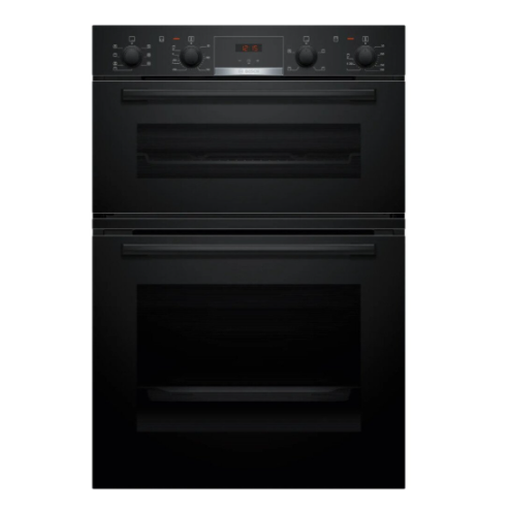
Consider this built-in double-oven format if a permanent kitchen replacement would help you organise separate preparation tasks. Check the usable tray area and confirm the housing and electrical provision with a qualified installer.
 No image available
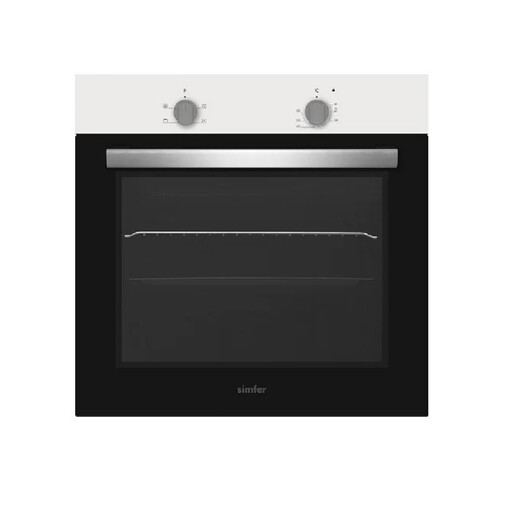
This built-in single oven is an option for an occasional sale if its cooking functions suit your recipe. Confirm the tray area, intended shelf use and installation fit before buying.
 No image available
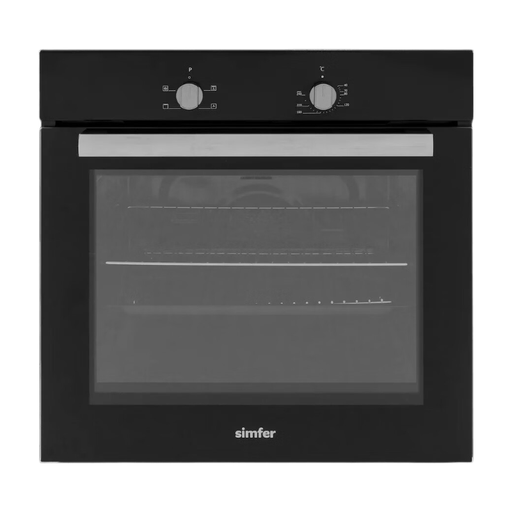
This built-in fan oven is a candidate for roasting occasional cauliflower batches. Check how much flat tray space you can use and confirm the required housing measurements.
 No image available
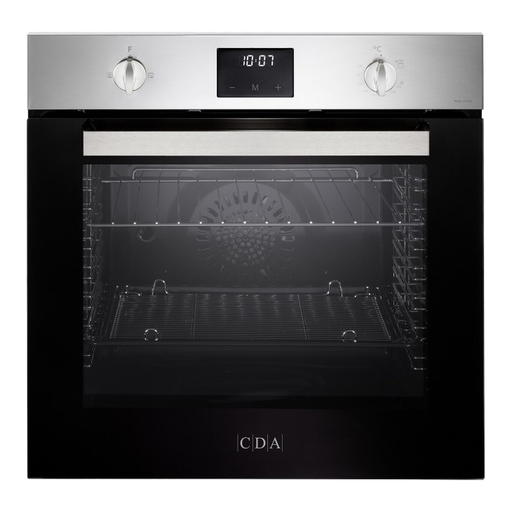
Consider this gas fan oven only if a built-in gas appliance suits your kitchen. Its listed 70L cavity does not establish how many cauliflower florets fit on a tray; confirm tray dimensions, gas compatibility and installation arrangements.
Veg Power’s roasted-cauliflower recipe uses 200°C fan for 25–30 minutes. Treat that as a starting point for the recipe, not a fixed result for every oven: floret size and tray loading can change how the cauliflower cooks.
Registration may be required if you supply food to the public regularly: the Food Standards Agency says regular supply, whether paid or free, requires food-business registration. An occasional voluntary contribution may be treated differently, as Somerset Council notes; ask the relevant local authority how your activity is classified.
If you operate as a food business, prepare accurate allergen information for the cauliflower portions. Food Standards Agency guidance requires retail and catering food businesses to provide allergen information for both prepacked and non-prepacked food; keep the recipe and ingredient labels available and consider cross-contact during preparation.
No. Oven capacity does not replace food-business registration or food-safety arrangements where those apply. The Food Standards Agency provides MyHACCP to help small food manufacturers develop a hazard-control system; check the requirements for your activity with the relevant authority.