Single-tray cheese-scone bakers
If you usually bake one tray, focus on a heating mode and temperature control that work with your recipe. Good Food’s cheese-scone recipe gives both conventional and fan settings.


For one tray of cheese scones, start with an oven that lets you select the conventional or fan setting your recipe calls for and fits your kitchen housing. Consider a multi-level fan oven if you regularly bake several trays, or a double oven if you need separate cavities; check the exact model’s dimensions and electrical connection before ordering. Good Food’s cheese-scone recipe specifies 200°C conventional or 180°C fan, so the usable heating mode matters more for this bake than a specialised programme.
If you usually bake one tray, focus on a heating mode and temperature control that work with your recipe. Good Food’s cheese-scone recipe gives both conventional and fan settings.
If you often use more than one shelf, compare the usable tray space and the exact model’s stated multi-level cooking guidance. Neff, Bosch and Siemens describe multi-level hot-air functions on selected models, but those claims do not settle how every scone recipe will bake.
If the oven must go into an existing housing, check the installation drawing and connection requirements before choosing optional features. Electrical Safety First notes that ovens differ between plug-in and hardwired connections.
Match the oven to your recipe’s heating setting and your usual batch size, then confirm that the particular model can be installed in your kitchen.
| Concern | What to check | Who this matters to |
|---|---|---|
| Baking settings | Check for the heating mode and selectable temperature your recipe requires. Good Food specifies 200°C conventional or 180°C fan for its cheese scones. | If I usually bake one tray, I want to set the recipe’s temperature and mode without relying on an unfamiliar programme. Around 36% of consumers put that straightforward baking control first. |
| Several trays | Check usable shelf space and the exact model’s hot-air guidance; a stated number of levels is not a recipe-specific result. | When I bake several trays in a session, shelf space matters, but I can accept checking whether browning differs between positions. For around 29% of consumers, batch baking is the primary concern. |
| Fit and connection | Compare the installation drawing with your housing, then check the plug type and electrical requirements. Electrical Safety First notes that some ovens need hardwiring. | If I am replacing a built-in oven, it needs to fit the existing space and suit the available electrical supply before extra features matter. That is the main priority for around 21% of consumers. |
| Cleaning and energy information | Identify the exact cleaning method and compare energy information for the models and cavity arrangements under consideration. | If I bake often, I care about cleaning residue and understanding the oven’s operating information, though neither replaces a suitable baking mode. Around 14% of consumers make upkeep and energy information their first concern. |
A standard oven may be described as 60 cm, but that does not establish the required housing dimensions. Neff lists its B1GCC0AN0B at 595 × 594 × 548 mm, while Bosch lists the MBA578BS7B double oven at 888 × 594 × 550 mm.
Measure the available housing and compare it with the exact model’s installation drawing and ventilation requirements before ordering.
A mismatch can mean cabinet alterations or a postponed installation.
Electrical Safety First distinguishes ovens with a standard plug and fuse from those that require hardwiring. The cited Neff and Bosch models specify electrician connection.
Check the exact model’s connection instructions and electrical requirements against your kitchen supply. Arrange an appropriately qualified installer where the work requires one.
Manufacturer statements about multi-level hot-air cooking apply to particular models and functions; they do not mean every scone recipe will brown identically without adjustment.
For a first multi-tray bake, follow the recipe’s fan setting, allow space around the trays and check browning before the stated finish time.
An energy class alone does not describe the cleaning function or the cavity arrangement you are buying.
Read the energy label and product information sheet for each exact model, paying attention to whether it has one cavity or two.
The B1GCC0AN0B is worth examining if you want a single built-in oven with a multi-level hot-air function.
The MBA578BS7B illustrates the double-oven route for households that need a second cavity.
The NBU5P401LB is a single built-in oven to consider if multi-level cooking and a pyrolytic-cleaning function both matter to you.
The HO 455H B UK is relevant if you are considering a single multifunction oven and its cleaning features.
The HB537GBS3B is another single built-in oven to examine if batch baking is important.
These ovens cover single-oven, cleaning-focused and two-cavity options for baking cheese scones. Choose between them by your usual number of trays and kitchen layout, then check the exact model’s recipe settings and installation instructions.
 No image available
Consider this single oven if you want to assess a multi-tray option without moving to two cavities. Check its installation drawing, electrical requirements and selectable temperatures against your kitchen and scone recipe.
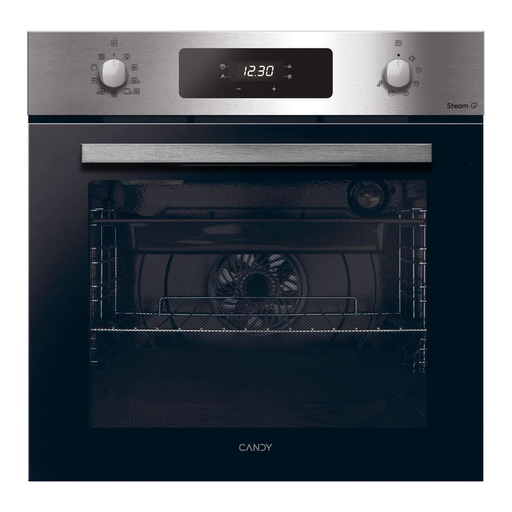 No image available
This built-in electric oven suits a search where cleaning is an important consideration alongside baking. Its title specifies pyrolytic cleaning; check the model instructions for preparation before a cleaning cycle, as well as its installation and temperature settings.
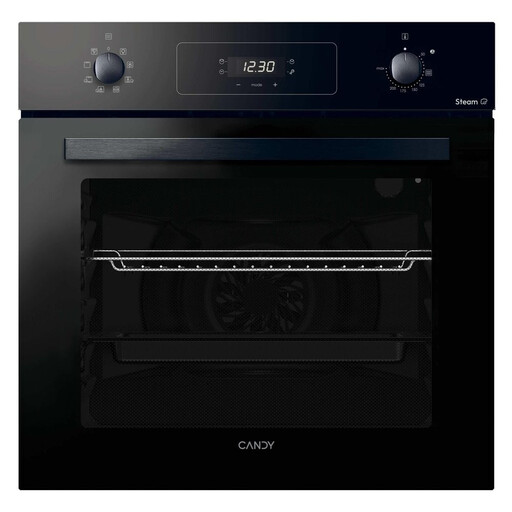 No image available
This single-oven format is relevant if you usually bake one tray and do not need separate cavities. Check the selectable heating settings and temperature range for your recipe, and confirm the housing and electrical connection instructions before replacing an oven.
 No image available
Consider a double oven if you need a second cavity while baking scones. The 90cm format needs a housing check; also confirm which cavity offers your intended heating mode, its temperature range and the installation requirements.
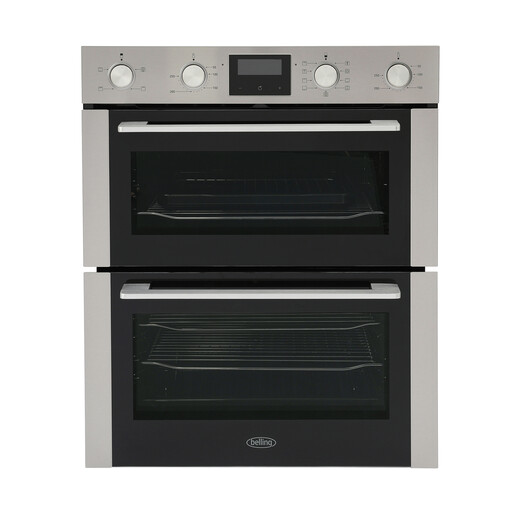 No image available
This built-under option is relevant if your kitchen layout calls for that installation format and you want to assess two-cavity cooking. Confirm the required housing, electrical connection and recipe temperatures for the cavity you intend to use.
Look for a selectable heating mode and temperature that match your recipe. Good Food’s classic cheese scones use 200°C conventional or 180°C fan; follow your chosen recipe and the oven manual rather than treating the two settings as interchangeable.
No: a conventional oven is also an option when the recipe provides a conventional setting, as Good Food’s cheese-scone recipe does. A fan function becomes more relevant if you plan to bake on multiple shelves, though you should still check the model’s guidance and the results of your first batch.
It depends on the exact oven and the existing electrical supply. Electrical Safety First says some ovens have a standard plug and fuse while others need hardwiring; check the model’s installation instructions and seek a qualified electrician’s advice if the connection or circuit suitability is uncertain.
Compare the energy label and product information sheet for the exact models you are considering. Pay attention to the cavity arrangement, particularly when comparing a single oven with a double oven, rather than treating their headline classes as descriptions of identical appliances.
No: cleaning functions vary by model and do not replace following its care instructions. AEG describes pyrolytic cleaning on selected ovens, while Hotpoint describes a different cleaning approach on the HO 455H B UK; check the exact model’s instructions before using either function.