Occasional bakers using a shared oven
If you make cheese scones now and then, access to a working oven, an agreed baking slot and a straightforward clean-up routine may matter more than owning another appliance.


For occasional cheese scones, use the existing shared oven if you can book enough time to preheat and bake, and it works reliably. A countertop oven makes sense only with permission and a suitable place to use it; consider a built-in replacement only if you control the installation and expect to bake regular batches. Tray space, cleaning arrangements and the appliance’s installation or clearance requirements matter whichever route you take.
If you make cheese scones now and then, access to a working oven, an agreed baking slot and a straightforward clean-up routine may matter more than owning another appliance.
If you cannot replace the main oven, a portable model is worth considering only where the kitchen permits it and has enough suitable worktop space. Check the tray you intend to use against the oven’s usable interior.
If you can approve changes to the kitchen, a built-in oven gives you a different set of choices: cavity and tray space, fan-cooking functions, cleaning features and installation requirements become central to the decision.
Choose it when: You bake occasional batches, can agree a slot with other users and have enough time to preheat.
Accept: Your baking time and clean-up depend on a shared appliance and other people’s access to it.
Choose it when: Replacing the main oven is not an option, but you have permission and a suitable place for a separate appliance.
Accept: It occupies shared worktop space, and its usable tray area may limit each batch.
Choose it when: You control the installation and make regular batches that justify an installed oven.
Accept: This is a permanent kitchen change that requires checks on fit, supply and installation arrangements.
| Concern | What to check | Who this matters to |
|---|---|---|
| Kitchen access | Confirm who can approve an appliance or installation, and whether you can reserve the existing oven long enough to preheat and bake. | If I cannot change the kitchen, I need a baking arrangement that other users will accept. Around 33% of consumers would put access and permission first. |
| Batch size and baking control | Check usable tray dimensions, shelf positions and whether the oven can be set as your recipe requires. Wakefield Recovery College’s scone material specifies 220°C conventional or 200°C fan. | When I make repeated batches, I want my trays to fit without relying on cavity litres alone; around 27% of consumers would make batch capacity and baking control their primary concern. |
| Cleaning and handover | Agree who cleans trays, racks and spills; check the exact model’s routine cleaning instructions separately from any periodic cleaning programme. | I need to leave the oven ready for the next person without a lengthy handover. For around 20% of consumers, clean-up would come first. |
| Countertop placement | Read the exact model’s clearance instructions and check the worktop surface, ventilation and power arrangements before choosing a position. | If I add a portable oven, I need somewhere it can be used without crowding the shared workspace. Safe placement would be the leading concern for around 20% of consumers. |
A compact appliance still needs space around it. Sage’s Smart Oven Air Fryer manual recommends at least 10 cm of surrounding space and says the oven is not suitable for use in a small appliance enclosure.
Measure the proposed worktop position, follow the manual for the exact model and get agreement from whoever manages the shared kitchen.
The oven may also take worktop space that other users need while you bake.
An installed model must fit the available space and its specified supply arrangements. Neff states that electrical connection for its cited built-in models is by an electrician.
Check cut-out dimensions, connection requirements and the property owner’s or kitchen manager’s permission before selecting a model.
Electrical work, cabinetry changes or approval may be involved, depending on the installation.
Neither figure tells you whether your scone tray fits or how accurately an oven holds a setting. Which? assesses heat distribution and control accuracy as separate aspects of oven testing.
Compare usable tray dimensions and shelf positions, and consult testing for the exact model if even baking is a deciding factor.
Private baking and running a food business are different situations. For a new food business or one you take over, the Food Standards Agency says registration with the local authority is required at least 28 days before trading or food operations start.
If you plan to sell cheese scones, address registration, ingredient information, allergen controls and cross-contamination before operating. The Food Standards Agency’s guidance covers allergen handling for food businesses.
A built-in option to examine if you control installation and want to compare multi-level fan cooking.
A built-in range covering full-sized and compact formats for kitchens where an installed oven can be changed.
A built-in option for comparing fan-cooking functions, cavity space and maintenance.
A countertop route for a kitchen that permits a separate appliance and has suitable worktop space.
A countertop option to compare if you want baking alongside other cooking modes.
These built-in ovens are relevant if you have permission to replace an installed appliance. They are not portable alternatives to the shared oven: check each model’s fit, supply requirements, usable tray space and ability to reach your recipe’s setting before buying.
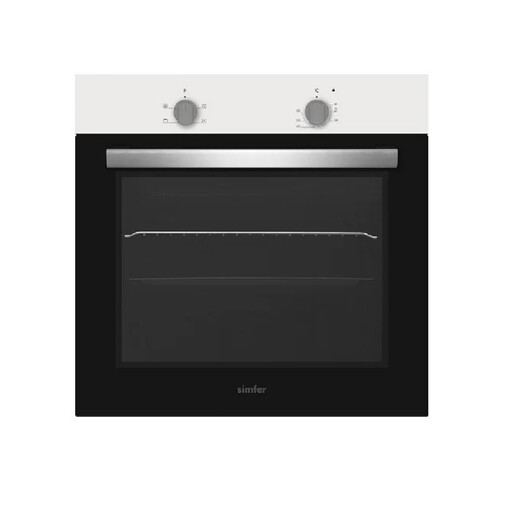 No image available
Consider this installed option if you control the kitchen changes and want to compare an electric single oven for regular baking.
Confirm the cut-out, electrical connection, usable tray space and fan temperature setting against your kitchen and scone recipe.
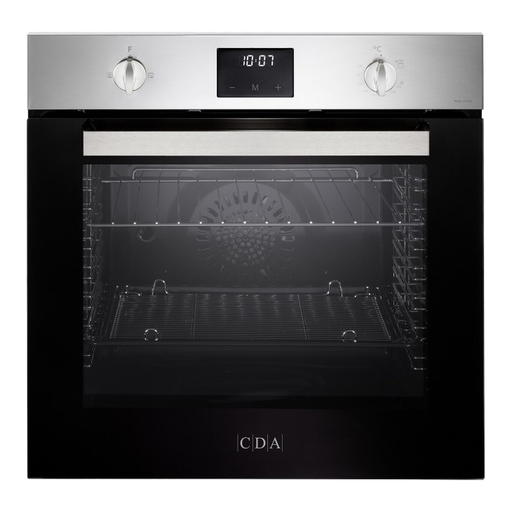 No image available
This is a gas option for a kitchen where you can approve installation and want to assess a stated 70 L cavity for batch baking.
Confirm the kitchen’s gas supply, any conversion and installation requirements, tray fit and available temperature settings before choosing it.
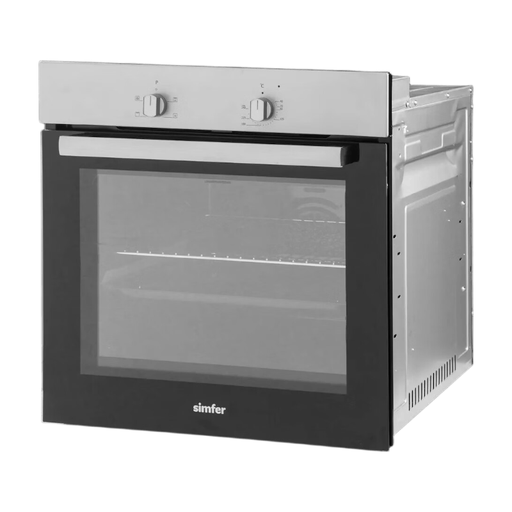 No image available
Consider this fan-oven option if a built-in replacement is permitted and suits your baking plans.
Check its cut-out and electrical requirements, usable tray dimensions, cleaning arrangements and ability to use the temperature specified by your recipe.
Start with the setting in your recipe. Wakefield Recovery College’s scone material gives 220°C for a conventional oven, 200°C for a fan oven or Gas Mark 7, and calls for preheating; check whether your own recipe already specifies a fan setting before adjusting it.
Do not assume an enclosed space is suitable. Sage says its Smart Oven Air Fryer is not suitable for use in a small appliance enclosure and recommends at least 10 cm of surrounding space; follow the instructions for the exact oven you choose.
No: cavity size alone does not establish even baking. Which? assesses heat distribution and control accuracy separately, so compare evidence for the exact model as well as the space available for your trays.
If you start a new food business or take over an existing one, the Food Standards Agency says you must register with the local authority at least 28 days before trading or food operations start. That requirement does not make private, non-commercial baking a food business.
For food-business operations, check every ingredient and potential cross-contact rather than relying on the name of the scone. The Food Standards Agency provides allergen-information guidance for food businesses; cheese introduces milk, while the flour and other ingredients determine further allergens, including whether cereals containing gluten are present.