For several trays of cheese scones at one temperature, start with a single built-in fan or multifunction oven whose exact model supports multi-shelf cooking and has room for your trays. A double oven is worth considering when another dish regularly needs a different temperature, but compare each cavity separately. Check cabinet fit, electrical requirements and the oven’s energy information before ordering.
Who needs which oven?
Batch scone bakers
If you need several trays for one gathering, check the exact oven’s stated multi-level cooking capability, shelf positions and space for your trays. Bosch, NEFF, AEG and Hotpoint describe multi-level cooking for particular models or systems, not every oven in their ranges.
Multi-dish family hosts
If other food needs a different temperature while the scones bake, two cavities may make scheduling easier. Compare their individual capacities rather than assuming a double oven gives you a larger main cavity.
Kitchen replacement buyers
If the oven must replace a built-in appliance, check the manufacturer’s installation drawing against the cabinet opening and confirm the electrical connection before choosing by cooking features.
What matters when choosing?
Single built-in fan oven
Choose it when: Several scone trays can cook at one temperature and one cavity has room for them.
Trade-off: Another dish cannot cook independently at a different oven temperature.
Built-in double oven
Choose it when: Scones and another dish regularly need separate cooking temperatures.
Trade-off: The main cavity may be smaller than a single oven’s, and the appliance needs a taller cabinet opening.
| Concern |
What to check |
Who this matters to |
| Tray space and multi-shelf cooking |
Compare cavity capacity, shelf positions and whether the exact model specifies simultaneous multi-level cooking. |
I want to bake several trays for the gathering without planning one batch after another; around 40% of consumers put tray space first. |
| Even browning and temperature control |
Look for independent heat-distribution and control-accuracy tests for the model, where available. |
If consistent browning matters most, I would check model-specific tests rather than rely on a fan label alone; roughly 30% of consumers prioritise reliable baking. |
| Cabinet fit and electrical connection |
Compare the installation drawing with the cabinet opening and confirm the required connection. |
My replacement must fit the kitchen and its electrical supply before I can use it safely; around 20% of consumers put fit and installation first. |
| Cleaning and energy information |
Check the exact cleaning system and instructions, then read the oven’s energy label and product information. |
After baking, I want a cleaning routine I can manage and energy information for the oven I choose; roughly 10% of consumers put these considerations first. |
Buying pitfalls to avoid
-
Assuming similar-looking ovens hold the same number of trays
External dimensions do not establish usable cavity space. A double oven provides two cooking zones, while a single oven may offer more room in its one cavity.
Measure the cabinet opening and compare the exact model’s installation drawing, cavity capacity and shelf arrangement before ordering.
A mismatch may mean altering the housing unit before installation.
-
Assuming every oven uses a standard plug
Connection requirements vary. Electrical Safety First advises checking power requirements and warns that some ovens need hardwiring into a dedicated circuit.
Check the exact model’s installation instructions and electrical loading, and arrange a qualified electrician where required. Do not use an extension lead as a substitute for a suitable connection.
-
Treating a fan label as proof of even scones
A manufacturer’s airflow description does not establish temperature-control accuracy or how evenly a particular model browns a tray. Which? assesses heat distribution and control accuracy separately in its oven testing.
Check model-specific independent tests where available, then follow the manual’s shelf-position and fan-temperature guidance.
-
Judging energy use by the class alone
An energy class does not, on its own, tell you what your cooking routine will use.
Read the label and product information for the exact oven alongside its cavity size and cooking functions.
Relevant brands to consider
Bosch
Relevant when comparing built-in ovens with manufacturer-specified multi-level fan cooking.
- Bosch specifies 3D Hotair cooking on up to three levels and an added-steam function for its HQA534BB3B.
- Those specifications do not establish how evenly it bakes cheese scones. Bosch states that this model has no plug and requires electrician connection.
NEFF
Relevant when looking at ovens with the CircoTherm multi-level cooking system.
- NEFF describes cooking on several levels with CircoTherm and advertises up to four levels across its range.
- Check the exact model’s usable shelf positions, cleaning system and connection requirements rather than applying a range-wide description to every oven.
AEG
Relevant when comparing fan-cooking modes and capacity across built-in ovens.
- AEG describes True Fan Cooking across multiple shelf positions and lists different cavity capacities across its range.
- AEG advises reducing the temperature by 20°C for the fan mode it describes. Check the selected model and adapt the recipe to its instructions.
Hotpoint
Relevant when comparing single-cavity capacity, multi-level cooking claims and cleaning features.
- Hotpoint describes a 71 L cavity, cooking on up to three levels and catalytic cleaning for its HO 455C B UK.
- These are specifications and manufacturer descriptions for that model, not a measure of baking results across Hotpoint ovens.
Joybuy ovens for these cooking plans
These built-in single and double ovens relate to the two cooking plans above: baking scone trays in one cavity, or using a second cavity for another dish. Check each model’s shelf arrangement and installation requirements against your kitchen.
 No image available
Bosch HHF113BA0B Series 2 built-in single oven, black
Consider a single cavity if your scone trays can bake at one temperature; check this model’s usable shelf arrangement and supplied accessories. It is a built-in single electric oven, so confirm cabinet fit and electrical connection before ordering.
View on Joybuy
 No image available
Belling BEL BI903MFC 90 cm built-in double oven, black/stainless steel
A double oven is worth considering when another dish needs its own temperature while the scones bake. Check each cavity’s usable space and shelf arrangement; confirm the installation drawing rather than relying on the 90 cm description, and check the required electrical connection.
View on Joybuy
 No image available
Candy FIDCN605 65 L built-in single oven, black
This 65 L single oven is an option to compare when one cavity suits the gathering. Confirm whether its cooking mode and shelf positions support the number of scone trays you need, and check its exact electrical connection requirements before arranging installation.
View on Joybuy
 No image available
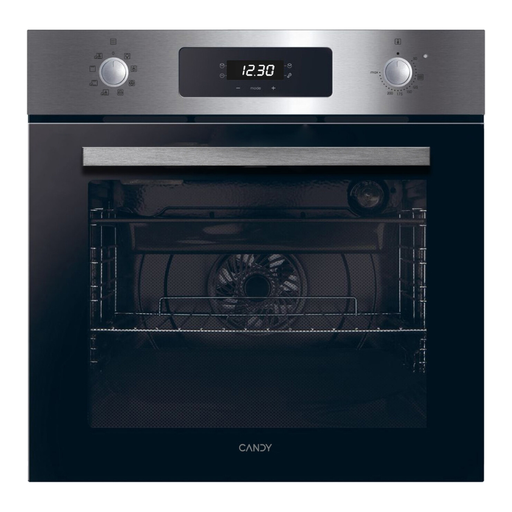
Candy F CM955NRL/CA Idea 70 L built-in oven, stainless steel
Compare this 70 L single oven if cavity space is important for the gathering. Before planning simultaneous scone trays, check the manual for the cooking mode, shelf positions and tray layout; confirm the electrical connection before purchase.
View on Joybuy
 No image available
Belling BEL BI902FP built-in double oven, black
Two cavities may help when scones and another dish need separate cooking arrangements. Check the usable shelf positions and supplied trays for your scone batches, then compare the installation drawing and electrical requirements with your kitchen.
View on Joybuy
Frequently asked questions
Should I choose a single or double oven for a scone gathering?
Choose a single oven if several scone trays can cook at one temperature and you want one cavity for them. A double oven is more relevant when another dish regularly needs a separate temperature; compare the capacity of each cavity before deciding.
Can cheese scones bake on more than one shelf at once?
They can when the exact oven and selected mode support simultaneous multi-level cooking. Check its manual for shelf positions and recipe adjustments; AEG, for example, advises a 20°C reduction when using the fan mode described in its guidance.
Will a new built-in oven need an electrician?
Check the exact oven’s connection requirements before arranging installation. Electrical Safety First notes that some ovens need hardwiring into a dedicated circuit and advises having an oven fitted by a qualified electrician.
How should I compare oven energy information?
Read the energy label and product information for the exact oven and market. Consider them alongside cavity size and cooking functions rather than treating the energy class alone as a prediction of what your household will use.


