Party batch bakers
You want to bake several trays of cheese straws before guests arrive. Tray fit, usable shelf levels and the oven’s stated multi-level cooking function matter more to this choice than app features.


For several trays of cheese straws baked at one temperature, start with a single fan oven whose stated cooking function supports multiple levels and whose shelves fit your trays. Consider a double oven if other party food needs a separate cavity or temperature; either choice must fit the housing and suit the kitchen’s electrical connection.
You want to bake several trays of cheese straws before guests arrive. Tray fit, usable shelf levels and the oven’s stated multi-level cooking function matter more to this choice than app features.
You need cheese straws alongside other party food. If the dishes require different temperatures at the same time, a second cavity may matter more than extra space in a single oven.
Your choice must fit the existing cabinet and electrical setup. Check the installation drawing and connection requirements before settling on cooking features.
Decide whether the party food needs one cooking temperature or two separate cavities, then check tray fit and the stated multi-level function. Confirm the housing and electrical requirements before choosing a model.
| Concern | What to check | Who this matters to |
|---|---|---|
| Batch capacity and tray space | Compare your baking trays with the cavity layout and usable shelf positions; litre capacity alone cannot establish tray fit. | If I have several trays to bake before guests arrive, I want to know how many will fit together. Around 31% of consumers put batch capacity first. |
| Even browning across trays | Look for a manufacturer-stated multi-level cooking function and the number of levels it supports. | I do not want one tray deeply browned while another remains pale. Roughly 31% of consumers place consistent multi-tray baking first. |
| Fit and electrical connection | Check the installation drawing against your cabinet and identify whether the model uses a plug or needs a fixed connection. | If I am replacing a built-in oven, it has to suit the space and electrical supply already available. Around 25% of consumers prioritise installation compatibility. |
| Cleaning and energy information | Check the model’s cleaning instructions and compare its energy label and product information sheet with those of other shortlisted ovens. | I want to understand the clean-up after baking and compare documented energy information before deciding. Roughly 13% of consumers put these considerations first. |
Cavity capacity does not tell you whether your baking trays fit, how much space there is between shelves or whether the oven fits the cabinet.
Measure your trays and housing, then compare them with the model’s shelf layout and installation drawing.
A fan setting by itself does not establish how many levels the manufacturer recommends using together.
Check the stated multi-level function and supported shelf arrangement for the exact model.
Electrical Safety First notes that ovens differ in their power and connection requirements; some use a plug, while others require a fixed connection.
Read the model’s installation instructions and arrange a qualified electrician where the appliance or planned work requires one.
Catalytic, steam-based and pyrolytic cleaning are different model-specific features. An energy class also cannot describe every household’s pattern of use.
Read the cleaning instructions for the exact oven and use its energy label and product information sheet for like-for-like comparisons.
Relevant if you are considering a built-in oven with a stated multi-level cooking function, or a double oven for separate cooking space.
Relevant to shoppers comparing CircoTherm-equipped ovens and double-oven layouts.
Relevant if a second cavity for other party food is part of your decision.
Relevant if you are looking at a larger single cavity and model-specific cleaning options.
These built-in single and double ovens relate to baking party batches. A single cavity may suit trays using one setting; a double oven gives you a separate cavity to consider for other food. Check each model’s shelf arrangement, installation requirements and cooking instructions against your plans.
 No image available
Consider this single-oven format if your cheese-straw trays can share one cooking setting. Check how many trays fit on the usable shelves and confirm the installation and electrical requirements for your kitchen.
 No image available
Consider the double-oven format if cheese straws and other party food need separate cavities. Check the supported cooking levels for your intended function, as well as housing fit and electrical requirements.
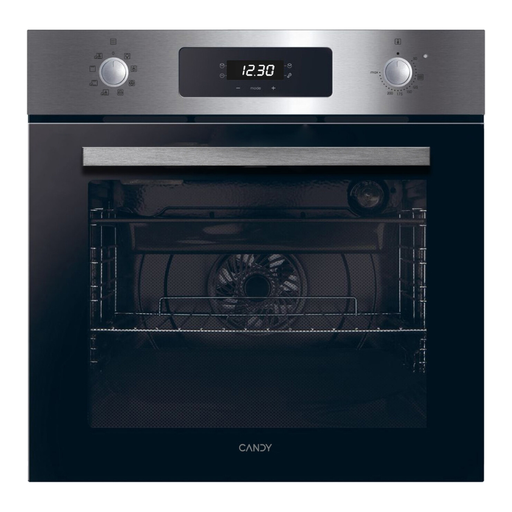 No image available
The 70 L single-cavity format is worth considering if your trays will use one setting. Before planning simultaneous batches, check the supported shelf levels and tray spacing; also confirm the electrical connection.
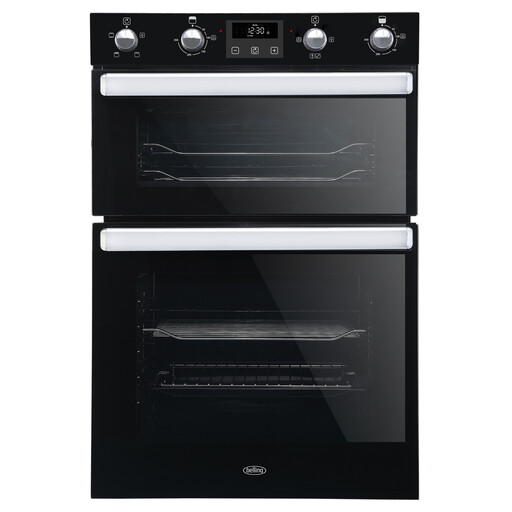 No image available
A double oven may suit a party menu that calls for a separate cavity alongside the cheese straws. Confirm which shelf levels can be used together and compare the installation drawing and electrical instructions with your kitchen.
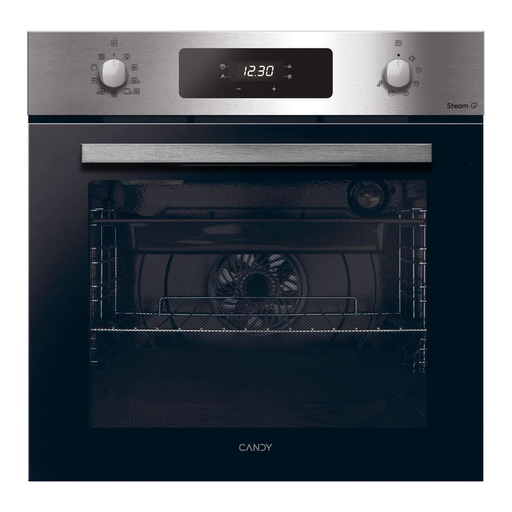 No image available
Consider this single-cavity option if your trays can bake at one setting and pyrolytic cleaning interests you. Check the permitted multi-level arrangement, tray fit, cleaning instructions and electrical connection before ordering.
Prioritise a fan or hot-air oven whose exact model states that it supports cooking on multiple levels. NEFF, Bosch and Hotpoint describe such features on particular ovens, but the claim for one function does not establish identical results or tray capacity across all fan ovens.
Not necessarily: a single oven can suit cheese-straw trays that fit and bake at the same setting. A double oven is worth considering when other party food needs a separate cavity or temperature, provided your housing and electrical setup suit the model.
Check the model’s power and connection instructions against your existing supply before ordering. Electrical Safety First notes that some ovens use a plug while others need a fixed connection; arrange a qualified electrician where the appliance or planned work requires one.
Use the energy label and product information sheet to compare ovens on a like-for-like basis. UK government energy-labelling guidance sets point-of-sale information requirements for products within its scope, including online listings; an energy class alone does not describe how often you will use the oven.
No. Cleaning methods and their instructions differ by model: AEG describes catalytic cleaning on its GE7CP61FB, while Hotpoint specifies pyrolytic and steam-based options for its HO 278P X UK. Follow the instructions for the oven you choose.