Picnic batch roasters
You want enough cavity space and flexible shelf positions to roast your intended quantity of drumsticks without repeatedly cooking small trays. Zanussi's oven guide discusses capacity in relation to cooking scale.


A full-size single oven with a fan or multifunction mode is a sensible starting point when you usually roast one picnic batch of chicken drumsticks. Consider a double oven if you regularly need to cook side dishes separately at the same time. In either case, check tray space, cabinet fit, electrical connection and the exact model's cleaning features before choosing.
You want enough cavity space and flexible shelf positions to roast your intended quantity of drumsticks without repeatedly cooking small trays. Zanussi's oven guide discusses capacity in relation to cooking scale.
You want to compare fan or multifunction modes because consistent cooking across a tray matters more to you than extra assisted-cooking features. Zanussi describes fan cooking as an aid to more even baking.
You expect to roast chicken frequently or use marinades that leave residue, so the exact cleaning system matters to your choice. Zanussi describes several cleaning approaches, while Bosch's HBS534BS0B illustrates a model-specific rear-wall coating.
For a picnic batch, decide what must cook at the same time before choosing between one cavity and two. Cleaning features and installation requirements then need checking on the exact model.
Choose it when: One main cavity can accommodate your usual drumstick batch.
Trade-off: Side dishes needing different temperatures or timings may have to cook in sequence.
Choose it when: You regularly prepare drumsticks and separate dishes at different temperatures or times.
Trade-off: Two cavities require an installation space suited to the particular double-oven model.
| Concern | What to check | Who this matters to |
|---|---|---|
| Batch space | Compare cavity capacity in litres, shelf positions and the trays supplied with the exact oven. | If I am roasting drumsticks for a group, I need room to spread out the batch rather than rely on repeated tray loads. Around 36% of consumers put batch capacity first. |
| Even roasting | Confirm the cooking modes on the exact model and whether a food probe is included or optional. | I want to manage cooking across a tray and check that the chicken is thoroughly cooked, rather than judge it by browned skin. Even roasting and doneness checks come first for around 29% of consumers. |
| Cleanup | Identify the cleaning system, which surfaces it covers and its care instructions. | When I roast marinated chicken often, clearing fat splashes afterwards affects which oven I would use regularly. Easier cleanup is the primary concern for around 21% of consumers. |
| Kitchen fit | Measure the cabinet opening and check the model's installation drawing and electrical connection instructions. | I need a replacement that fits my kitchen and can be connected to its electrical supply. Around 14% of consumers make fit and installation their first priority. |
A larger cavity or a move from a single to a double oven does not establish that the appliance will fit the existing opening.
Measure the available width, height and depth, then compare them with the exact model's installation drawing and ventilation instructions.
Connection requirements differ. Bosch specifies an electrician-installed connection and no plug for its HBS534BS0B; it is also advisable to check the electrical supply for ovens rated above 3 kW.
Check the model's rated load and connection instructions against your kitchen supply before arranging installation.
A fan mode may help with even cooking, but it cannot establish that poultry is cooked through. Food Standards Agency research on Campylobacter describes cooking chicken to 70°C all the way through.
Follow the recipe and appliance instructions, and check the chicken's internal temperature rather than relying on its colour.
Catalytic liners, steam-assisted cleaning and pyrolytic programmes have different operating and care requirements; a feature described for one model may not appear on another.
Check the exact cleaning system, the surfaces it covers and the preparation required by the model's instructions.
A reference point for comparing cavity sizes, fan cooking and cleaning systems.
A reference point if you are comparing single and double built-in ovens or model-specific cleaning and probe features.
Useful for seeing why dimensions and electrical connection must be checked at model level.
A reference point for standard and compact built-in formats and optional cooking functions.
These single and double electric ovens offer different ways to plan a picnic roast: compare cavity format and the named cleaning features, then check each model's cooking modes and installation instructions against your kitchen.
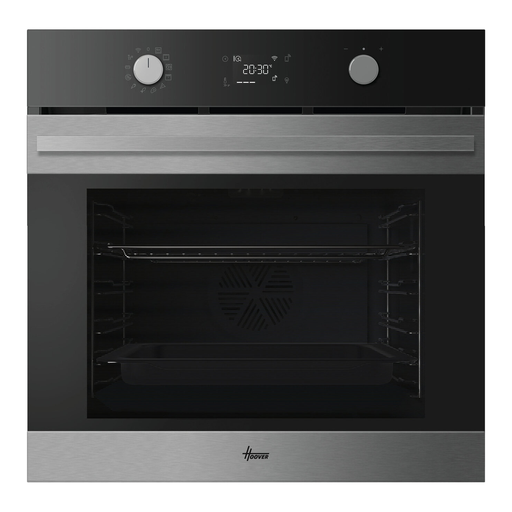 Image unavailable
Consider this single oven if cleaning after frequent chicken roasts is a priority. Its title identifies a 70 L capacity and pyrolytic cleaning. Check the installation instructions before buying: the available product information describes the installation type inconsistently, and the electrical connection needs planning.
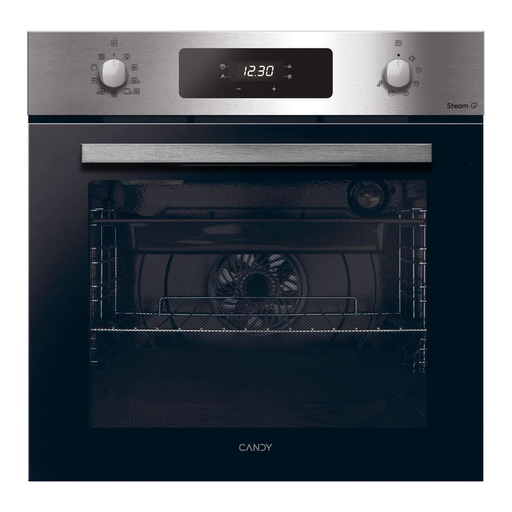 Image unavailable
This built-in single oven is worth comparing if cleanup after roasting is a deciding factor: pyrolytic cleaning is named in its product title. Confirm its cooking modes, cabinet cut-out and electrical connection for your kitchen, and follow the model's instructions before running a cleaning cycle.
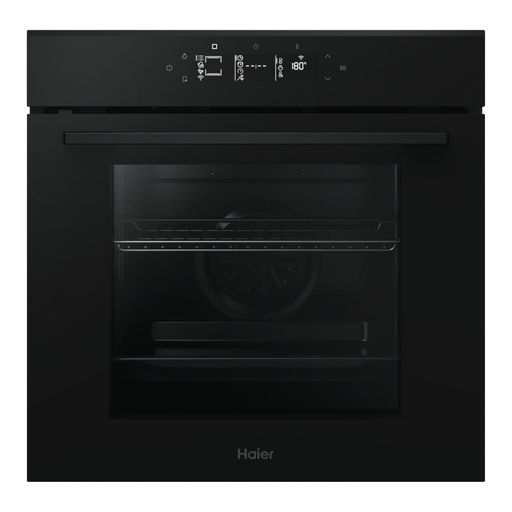 Image unavailable
Compare this 70 L single oven if one cavity suits your picnic batch. Check its cooking and cleaning functions against the tasks you intend to use them for. Confirm the operating temperature range before purchase, as the available product information gives conflicting maximum temperatures, and check the stated hard-wired installation requirements.
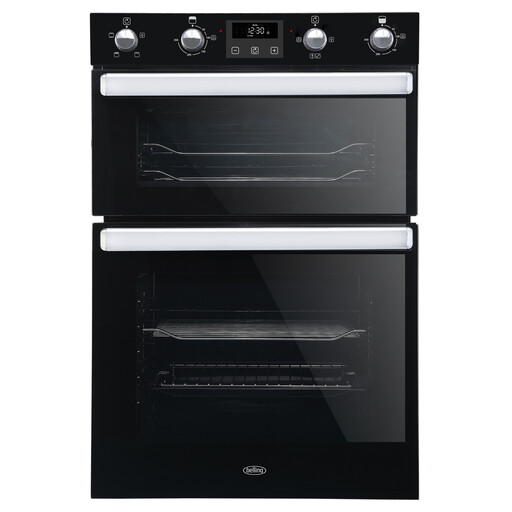 Image unavailable
Consider the double-oven format when drumsticks and a separate dish need their own cooking spaces. Check the capacity and functions of each cavity rather than treating the oven as one large space, and compare the exact installation dimensions and electrical instructions with your kitchen.
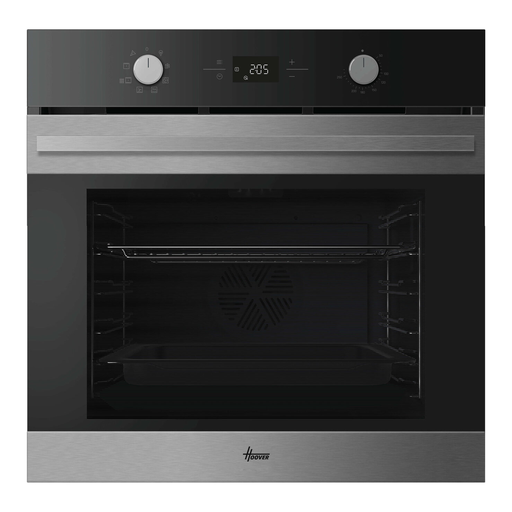 Image unavailable
This 78 L single oven is one to compare when batch space matters but you do not need two separate cavities. If fan cooking is important for your drumsticks, confirm the exact cooking modes before choosing it; also check the electrical connection instructions for your installation.
Not if one suitably sized cavity can hold your usual batch. A double oven becomes more useful when you regularly cook drumsticks and separate dishes at different temperatures or times; compare each model's cavity capacities and installation opening.
A fan mode is useful to compare when even cooking across a tray matters to you; Zanussi describes fan cooking as helping food bake more evenly. It does not replace checking that chicken is cooked thoroughly. Food Standards Agency research on Campylobacter describes cooking chicken to 70°C all the way through.
Do not assume it will. Check the exact oven's rated load and connection instructions against your kitchen supply: additional electrical-supply checks are advisable for ovens above 3 kW, while Bosch specifies an electrician-installed connection for its HBS534BS0B.
Plan how to cool and chill the cooked food before transporting it. NHS guidance says to cool food as quickly as possible, ideally within one to two hours, and suggests smaller portions or shallow containers to help it cool faster. Arrange suitable cold transport separately from the oven choice.