Occasional tart baker
If you are making one tart or a small bake-sale run, focus on housing fit, the cooking modes you will use and controls you find straightforward before considering a second cavity.


For one chocolate tart or occasional small batches, a single built-in fan oven is a sensible choice if it fits the housing and has a suitable electrical connection. Consider more cavity space for regular batches, or a double oven when dishes need separate cooking spaces or temperatures; steam, food probes and pyrolytic cleaning are not prerequisites for the tart.
If you are making one tart or a small bake-sale run, focus on housing fit, the cooking modes you will use and controls you find straightforward before considering a second cavity.
If several tarts, cakes or trays are on the plan, compare shelf positions and usable space against your tins. Check the exact model’s stated scope for multi-level cooking rather than relying on cavity litres alone.
If you are replacing an integrated oven, measure the housing and check the new model’s installation instructions. Connection requirements differ between models, even when their fronts appear similar.
Start with the baking and batch size you need, then confirm that the oven will fit and can be connected as specified. Treat cleaning and specialist programmes as additional choices, not substitutes for those checks.
| Concern | What to check | Who this matters to |
|---|---|---|
| Controlled baking | Compare documented fan modes and independent information on heat distribution and control accuracy where available. Which? assesses oven-control accuracy at two points across three set temperatures. | If my tart recipe calls for careful control of pastry and filling, I want to understand how the oven heats rather than judge it by its programme count. Around 36% of consumers put baking consistency first. |
| Batch space | Compare cavity and shelf dimensions with your tins and trays. Consider two cavities if dishes need different temperatures at the same time. | Making several bake-sale items in one session makes the space for my actual tins more important than a litre figure on its own; around 21% of consumers make batch capacity their primary concern. |
| Fit and connection | Measure the housing opening and read the exact model’s installation instructions, including its connection requirements. | When replacing an integrated oven, I need to know it can be fitted and connected in my kitchen before its extra functions matter. Fit and installation come first for around 29% of consumers. |
| Cleaning and versatility | Distinguish cleaning methods and decide whether you will use features such as steam-assisted baking or a food sensor for other recipes. | If I bake beyond the occasional tart, easier cleaning or additional cooking functions may shape my choice; around 14% of consumers prioritise those wider uses. |
The visible width does not tell you whether an oven fits the housing or how it must be connected. Bosch lists a GB plug for its HHF113BR0B, while NEFF specifies electrician connection for its B1GCC0AN0B.
Measure the opening and follow the installation instructions for the exact model before ordering.
Manufacturer airflow descriptions identify features, not measured results for your recipe. Which? assesses oven controls separately from a model’s programme list.
Look for independent performance information where available, and follow the recipe while getting to know the installed oven’s behaviour.
AEG lists SteamBake, a food sensor and pyrolytic cleaning on the GA5PB501AB, but none is necessary simply to make the stated chocolate tart.
Consider those functions if you will use them for other cooking or cleaning tasks; otherwise compare fit and the cooking space you need first.
Beko lists a 72 L cavity for the BBRIF22300, but volume alone does not establish the usable width or shelf arrangement for your tins.
Compare cavity and shelf information with the dimensions of the tart tins and trays you intend to use.
Its single- and double-oven ranges offer different routes for one tart versus simultaneous dishes.
A reference point if you want to assess a larger stated single-oven cavity before considering two ovens.
Relevant if broader baking functions and cleaning features will see use beyond the bake sale.
Worth comparing if documented multi-level cooking is important to your batch plans.
These built-in single ovens are options to compare for one tart or modest bake-sale batches. For each model, check housing fit, connection requirements and space for your own tins; a single-cavity selection does not replace the separate-cooking-space decision.
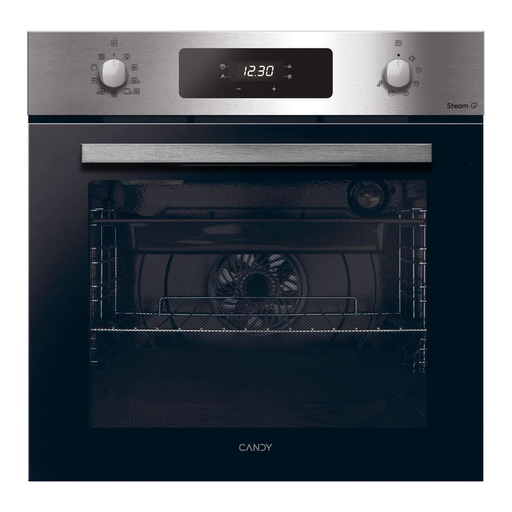 No image available
Consider this single oven for an occasional tart if its installation requirements suit your kitchen. Its product name specifies pyrolytic cleaning; check the housing measurements and electrical connection before buying.
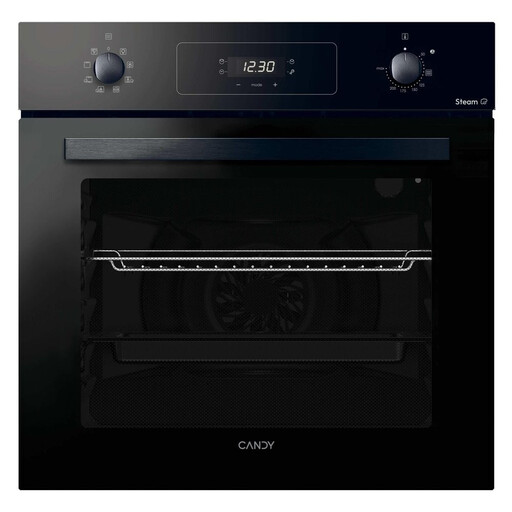 No image available
The stated 65 L capacity gives you a starting point for comparing a single oven with your tart tin and trays. Confirm the cabinet opening and the required connection method in the installation instructions.
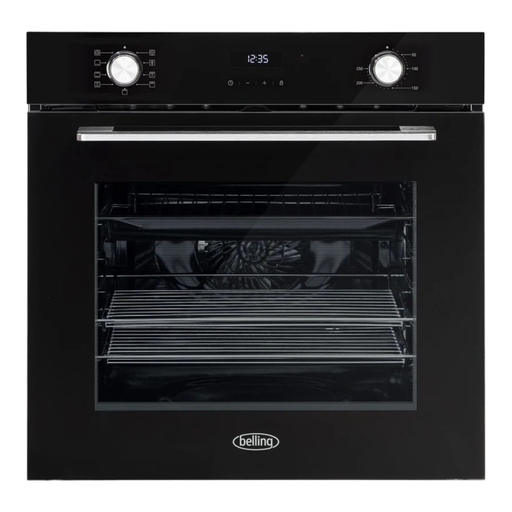 No image available
This single-oven format is worth assessing for one tart and occasional batches. Compare your tins with the usable cavity and shelves, and confirm the electrical connection requirements for this model.
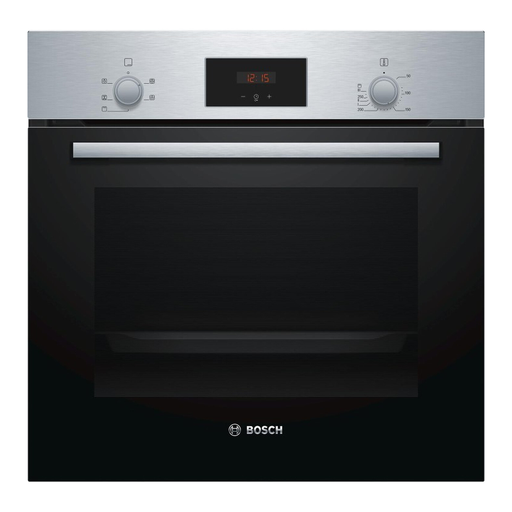 No image available
Consider it if multi-level baking is useful: Bosch lists 3D Hotair cooking on up to three levels for this model. Check tin fit and confirm the connection instructions for the exact unit before installation.
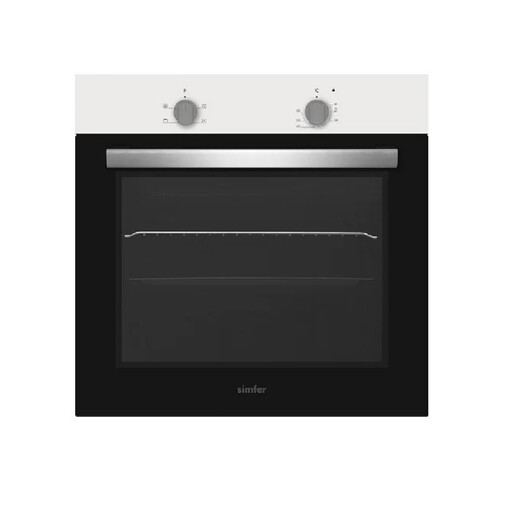 No image available
For a tart recipe that calls for a particular heating mode, check this model’s functions against the recipe before choosing it. Confirm the appliance and cabinet-opening dimensions in its installation instructions.
Not for one tart or occasional small batches if a suitable single oven meets your cooking and installation needs. Consider a double oven when preparation regularly overlaps with other dishes requiring separate cooking spaces or temperatures; Bosch describes its double ovens as a way to cook multiple dishes.
No: a fan mode identifies a cooking option, not the exact results of a tart recipe. Compare independent information on heat distribution and control accuracy where available; Which? assesses control accuracy at two points across three set temperatures.
Measure the housing opening and check the exact new model’s dimensions and connection instructions, not just the old oven’s visible front. Requirements differ: Bosch lists a GB plug for the HHF113BR0B, while NEFF specifies electrician connection for the B1GCC0AN0B.
Not necessarily. In guidance dated 31 March 2026, the UK Department for Business and Trade says Great Britain continues to recognise CE marking alongside or in place of UKCA marking where the applicable product requirements are met. That Great Britain guidance should not be assumed to describe the conformity route for Northern Ireland.