What matters when choosing?
Check the oven’s physical and electrical fit before comparing baking modes. Then weigh evidence on heat distribution and temperature control against the cleaning and energy information that matters to your routine.
| Concern |
What to check |
Who this matters to |
| Even baking |
Look for a suitable fan or hot-air mode and, where available, exact-model tests of heat distribution and temperature accuracy. |
If pastry browning and a dependable bake are my priority, I want more than an airflow feature name to judge the oven. Around 36% of consumers put even baking first. |
| Fit and connection |
Compare the installation diagram with the housing aperture, then check the specified connection and electrical loading. |
When replacing a built-in oven, I need to know it will fit and can be connected appropriately before choosing extra functions. For around 29% of consumers, compatibility is the primary concern. |
| Cleaning effort |
Identify the exact cleaning method and read the manual for cycle instructions and any accessories that must be removed. |
If I bake often, dealing with residue afterwards can shape which cleaning system I am willing to use. Around 21% of consumers chiefly prioritise cleaning effort. |
| Energy information |
Compare the exact appliance’s energy label alongside its capacity and cooking functions. |
Once an oven meets my baking and installation needs, I want to compare its stated energy information before deciding. That is the main concern for around 14% of consumers. |
Brands to consider
These brands offer different features across their built-in oven ranges; compare the exact models rather than assuming a feature applies to every oven bearing the brand name.
Bosch
Relevant if you are comparing hot-air cooking with optional steam or cleaning features.
- Bosch says its 3D Hotair feature allows cooking on up to three shelves.
- Check which cooking and cleaning functions the particular model provides; the airflow claim is not an exact-model baking test.
AEG
Relevant to frequent bakers considering steam-assisted cooking alongside other oven functions.
- The GA5PB50FAB is listed with SteamBake, a 71 L cavity, a food sensor and pyrolytic cleaning.
- Steam assistance is recipe-dependent, and the GA5PB50FAB’s listed 3250 W loading makes its electrical requirements important to check.
NEFF
Relevant if several shelves and access to the oven cavity matter to your cooking routine.
- NEFF lists CircoTherm for baking on up to three levels on the B4ACF1AN3B, which also has a Slide&Hide door.
- That model specifies no plug and an electrician connection; confirm its installation arrangement before choosing it.
Beko
Relevant if you are considering a built-in fan oven with a straightforward set of baking functions.
- Beko describes AeroPerfect airflow as intended to minimise temperature fluctuations; its BBXIF243 is listed with a 72 L cavity and True Fan Cooking.
- The airflow description is a manufacturer claim, so compare exact-model baking evidence and installation requirements separately.
Hotpoint
Relevant if multilevel airflow and a choice of cleaning methods are priorities.
- The HO 278P X UK is listed with Multiflow and both pyrolytic and steam-cleaning options.
- Hotpoint’s description of temperature consistency across shelves is a manufacturer claim; confirm the exact model’s fit, connection and baking evidence.
Ovens for this baking scenario
These Joybuy choices cover built-in single and double ovens for tart baking, including electric hot-air models and a gas fan model. Choose the cooking format and connection that suit your kitchen before comparing optional functions.
 No image available
Bosch HHF113BA0B Series 2 built-in single electric oven, black
Consider this single oven if your tart is part of a wider baking session and its built-in format suits your kitchen. Check how its 3D Hotair setting works with your recipe’s shelf guidance, and confirm the housing requirements and stated hardwired connection against the installation instructions.
Joybuy
 No image available
Bosch Series 4 MBA533BB3B electric double oven, black
A double oven may suit a household cooking a tart alongside other dishes. This model is specified for eye-level installation rather than under a worktop; confirm the housing and its stated hardwired 5.9 kW connection with a suitably qualified professional.
Joybuy
 No image available
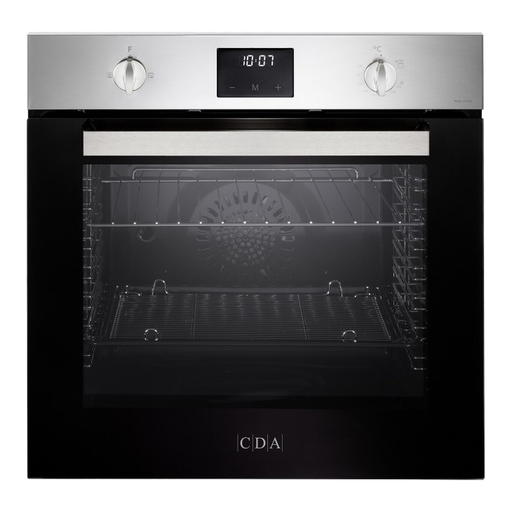
CDA SG121SS built-in single gas fan oven, 70 L, stainless steel
If you want a gas fan oven for tart baking, establish that your kitchen has a compatible gas supply. Check the exact housing and gas-installation instructions before choosing this model; a fan feature alone does not establish its baking accuracy.
Joybuy
 No image available
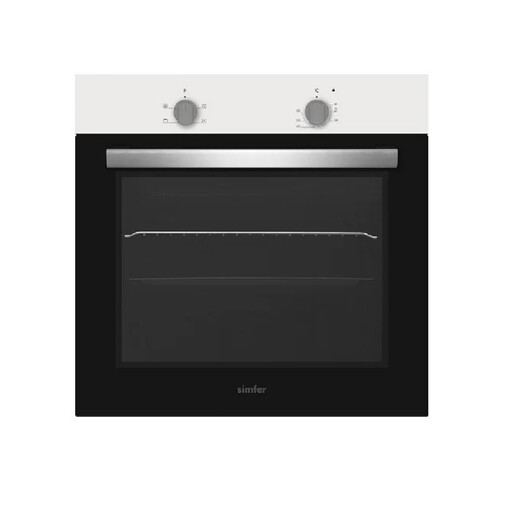
Simfer FO60W built-in single electric oven, white
If your tart recipe calls for bottom heat, check this model’s mode instructions as well as its fan-cooking options. Use the installation documentation to confirm the housing dimensions and connection rather than relying on packing measurements.
Joybuy
 No image available
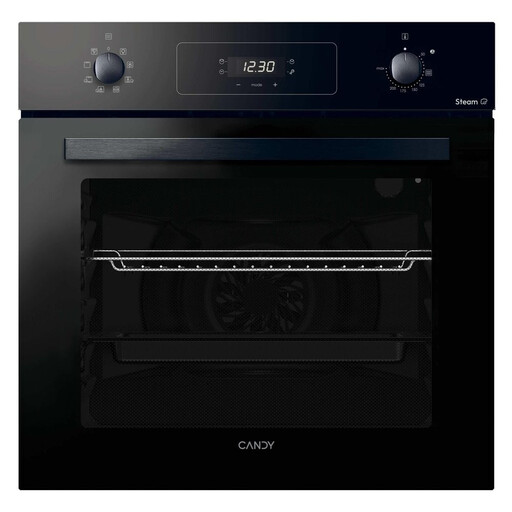
Candy FIDCN605 built-in single electric oven, 65 L, black
For a tart where timing is important, check whether this model’s controls suit your recipe. Confirm its exact electrical connection arrangement and installation requirements before ordering.
Joybuy
Questions about tart-baking ovens
Do I need steam assistance to bake a chocolate tart?
No: steam assistance is not a general requirement for a chocolate tart. Start with an oven mode suited to your recipe and consider steam if other recipes in your regular routine call for it; check the exact model’s instructions rather than assuming every steam function works the same way.
What should I measure before ordering a built-in oven?
Measure the housing space against the exact model’s installation diagram, including its required clearances and door space. Also check the connection arrangement and electrical loading: a nominal 60 cm description does not settle those requirements.
Can I install a new electric oven myself?
Do not assume that your new oven can be connected in the same way as the old one. Electrical Safety First advises checking the appliance’s power requirements; where electrical work is needed, use a suitably qualified electrician and check the requirements applicable in your part of the UK.
Should I compare energy labels when choosing an oven?
Yes, after confirming that the ovens suit your kitchen and cooking needs. GOV.UK guidance identifies domestic ovens as products within the scope of energy-information rules and states that in-scope products must display an energy label at the point of sale; the label does not replace checks on baking performance or fit.
Which cleaning function suits frequent baking?
Choose according to the residue you expect and how much wiping you are prepared to do. Pyrolytic cleaning uses a high-heat cycle, while steam-assisted cleaning softens residue for wiping; consult the exact oven manual for cycle use and accessory instructions.


