Buffet hosts managing several dishes
You need usable space for a coffee cake alongside other food. Separate cavities matter when dishes need different cooking temperatures or timings.


Choose a full-size built-in single oven if the coffee cake is the main bake and one cavity has room for your tin and other planned food. If you regularly need to cook buffet dishes at different temperatures at the same time, a double oven offers separate cavities, provided it fits your kitchen. Check the exact model’s installation requirements and seek model-level evidence of temperature accuracy before relying on a fan feature for consistent cake baking.
You need usable space for a coffee cake alongside other food. Separate cavities matter when dishes need different cooking temperatures or timings.
You care about temperature accuracy and heat distribution, rather than assuming that a large capacity or a long programme list will produce an even bake. Which? assesses those measures in its built-in oven tests.
Your choice must fit the cabinet and suit the electrical supply. Check the exact model’s installation instructions before treating cleaning functions or extra cooking modes as deciding features.
Decide whether the buffet calls for one roomy cooking space or two separate cavities, then check baking evidence and installation requirements for the exact oven.
Choose it when: The cake is the main oven task and one cavity suits the rest of your buffet schedule.
Trade-off: Dishes needing substantially different temperatures cannot cook independently in that one cavity.
Choose it when: You regularly need a second cavity while the coffee cake bakes.
Trade-off: The taller appliance needs suitable cabinetry; the NEFF U2ACH7AG7B example also requires a fixed electrical connection by an electrician, according to NEFF.
Choose it when: The oven must go below a worktop and a second cavity would help with occasional buffet dishes.
Trade-off: Compare the exact model’s individual cavity sizes and shelf layout, not just the fact that it has two ovens.
| Concern | What to check | Who this matters to |
|---|---|---|
| Capacity and separate cavities | Check each cavity’s stated capacity, shelf layout and space for your cake tin and planned dishes. | I need to bake the cake while organising other buffet food, so usable space or a separately controlled cavity comes first. Around 31% of consumers put this capacity need first. |
| Even baking | Look for model-level assessments of temperature accuracy and heat distribution; check the available cooking modes. | If the cake is the centrepiece, I want confidence that it will bake consistently, not just a fan setting on a feature list. This is the primary need for around 31% of consumers. |
| Cabinet and electrical fit | Match the installation diagram to the cabinet and confirm the model’s connection requirements. | When replacing an oven, I need one that can be installed in my existing kitchen before extra functions matter. Around 23% of consumers prioritise fit and electrical compatibility. |
| Cleaning | Compare the cleaning system and its operating instructions for the exact model. | After preparing several dishes, I want clean-up to be manageable without choosing an oven solely for that feature. Around 15% of consumers put cleaning first. |
External width does not tell you whether a cake tin and buffet trays will fit, or how space is divided between two cavities.
Compare the exact model’s cavity capacities, shelf layout and installation diagram before ordering.
A stated fan or multilevel mode describes a function, not the temperature accuracy or heat distribution of a particular oven.
Use those functions to narrow your choices, then look for independent model-level baking assessments where available. Which? includes temperature accuracy and heat distribution in its built-in oven testing.
Connection requirements differ by model. An oven that suits your cooking plans still has to match the kitchen’s electrical supply.
Read the installation instructions and ask a qualified electrician to assess the supply when needed. Electrical Safety First advises having ovens fitted by a qualified electrician.
A change in connection requirements may also mean arranging electrical or cabinetry work before the oven can be used.
Cleaning systems address maintenance, but they cannot make an unsuitable cavity arrangement or cabinet fit work for your buffet.
Settle the cooking layout and installation requirements first, then compare cleaning features and their model-specific instructions.
These model examples illustrate different oven layouts and features; a brand’s inclusion does not establish that every model has the same specifications.
The NEFF U2ACH7AG7B is a tall built-in double oven to consider when separate cooking spaces would help with a multi-dish buffet.
The AEG BPX53506EM is a built-in single-oven example for a cake-led buffet.
The Beko BBIMA17300 is a 60 cm built-in single-oven example for buyers comparing cavity space and cooking functions.
The Bosch HHF133BS0B is a built-in single-oven example for comparing multilevel cooking with kitchen fit.
These choices cover built-in single ovens for a cake-led buffet, built-in double ovens for separate cooking spaces, and a built-under double oven for a below-worktop layout. Compare each model’s installation instructions and baking evidence before deciding.
 No image available
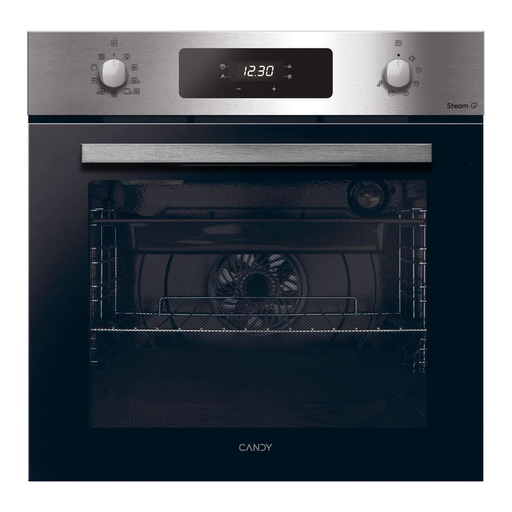
Consider this single-cavity format when the coffee cake is the main oven task. The product name specifies pyrolytic cleaning; check the cabinet fit and electrical connection in the installation instructions.
 No image available
A double oven is worth considering if the cake and another buffet dish need separate cooking spaces. Compare the individual cavities with your dishes, and check the required cabinet opening and electrical supply before ordering.
 No image available
This built-in double-oven format suits a buffet plan that calls for separate cooking spaces. Its product name specifies a 90 cm format; confirm the cabinet opening and electrical supply against the installation instructions, and seek model-level evidence for cake-baking consistency.
 No image available
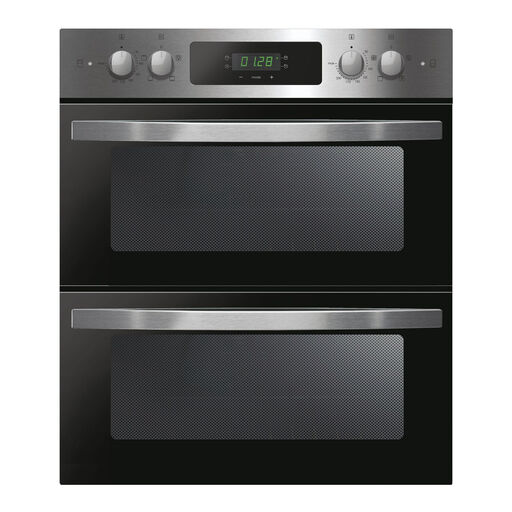
Consider a built-under double oven when the appliance must sit below a worktop but a second cooking space would help. Confirm each cavity’s usable size, the exact cabinet dimensions and the electrical connection before choosing this model.
 No image available
This single-cavity option fits a buffet plan in which the cake is the principal bake. Its product name states a 65 L capacity; check that your tin and other planned dishes fit, and confirm the cabinet and electrical requirements in the installation instructions.
Choose a built-in single oven if one cavity accommodates the cake and your cooking schedule. A double oven is more useful when you regularly need a separate cavity for another dish; compare each cavity’s capacity and the exact installation dimensions before deciding.
Look for model-level evidence about temperature accuracy and heat distribution rather than treating a fan function as proof of results. Which? includes both measures in its built-in oven testing; also check that your cake tin fits the cavity and shelf arrangement.
Check the exact oven’s electrical specification and installation instructions before arranging fitting. Electrical Safety First advises having ovens fitted by a qualified electrician, and NEFF specifies fixed connection by an electrician for its U2ACH7AG7B double oven.
Choose a cleaning system only after the oven meets your cooking and installation needs. Pyrolytic cleaning and coated cavity surfaces are different model-specific approaches; follow the appliance manual and let the oven cool before routine cleaning.
Registering it can make it easier to receive notice of a product safety recall. Electrical Safety First recommends appliance registration so owners can be contacted if a safety issue arises.