Hosts cooking several dishes at once
If the nut loaf needs to roast alongside potatoes, vegetables or dessert, look at documented multi-level cooking. Separate oven cavities matter more when dishes need different temperatures.


Choose a countertop convection oven if you need extra roasting space without changing the kitchen and can spare the worktop. For a regular main oven, choose a built-in fan model only after checking the cabinet opening and electrical connection. A double oven is worth considering when the nut loaf and other dishes need separate settings; a single oven with documented multi-level cooking may suit a simpler menu.
If the nut loaf needs to roast alongside potatoes, vegetables or dessert, look at documented multi-level cooking. Separate oven cavities matter more when dishes need different temperatures.
A countertop convection oven can provide extra cooking space without replacing built-in cabinetry. Check that its footprint leaves enough room to prepare and serve the meal.
For a built-in replacement, compare the exact model’s installation dimensions, connection requirements and cleaning method as well as its cooking functions.
Decide whether the oven is extra cooking space or a replacement for your main oven. Then consider whether your dinner-party dishes can share one cavity and temperature.
Choose when: You need occasional extra roasting space and have a suitable worktop location.
Trade-off: It avoids cabinet changes but takes preparation space; SharkNinja lists the Ninja DT200UK at 33.5 × 43.5 × 50.5 cm.
Choose when: You are replacing a main oven and the loaf and accompanying dishes can share one cavity.
Trade-off: Multi-level cooking does not provide separate temperatures for dishes in the same cavity.
Choose when: Dishes need separate settings and your kitchen has suitable tall housing.
Trade-off: Check the greater housing height and connection requirements; Neff lists its U2ACH7AG7B at 888 × 594 × 550 mm and specifies electrician connection.
| Concern | What to check | Who this matters to |
|---|---|---|
| Even cooking | Check the documented fan mode and, if roasting consistency is decisive, independent temperature and heat-distribution tests. Which? assesses oven-control accuracy at different positions and settings. | If the nut loaf is the centrepiece, I want confidence that the oven holds the intended temperature rather than relying on a fan-system name; around 33% of consumers put even cooking first. |
| Meal capacity | Check usable shelves, tin and tray clearance, and whether dishes need separate cavities or temperatures. | When several dishes must be ready together, I need a cooking layout that works for the whole menu; roughly 25% of consumers make meal scheduling their primary concern. |
| Kitchen fit | Compare the exact appliance and housing dimensions, then confirm the permitted electrical connection. | If I am replacing an oven or adding one to a crowded worktop, it has to fit my space and installation arrangements; about 25% of consumers put those constraints first. |
| Cleaning and information | Compare cleaning systems on the exact models and review their energy documentation separately from cooking-performance evidence. | After a large meal, I want manageable cleaning and clear information for comparing ovens; around 17% of consumers prioritise these considerations. |
Appliance dimensions and the required cabinet opening are different measurements; single and double ovens can also need very different housing heights.
Measure the opening and compare its height, width and depth with the exact model’s installation instructions before ordering.
A mismatch may mean cabinet alterations or a change to the installation plan.
A stated multi-level fan function describes how an oven may be used, not its independently measured temperature accuracy. Which? tests built-in oven controls at different positions and settings.
If consistent roasting and baking are especially important, use the documented cooking modes to narrow your options, then consult independent test results for the exact models.
SharkNinja lists the Ninja DT200UK at 33.5 cm high, 43.5 cm wide and 50.5 cm deep. That space may also be needed for dinner-party preparation.
Measure the proposed location and follow the model’s placement and clearance instructions.
Keeping it on the worktop leaves less preparation space; storing it between uses takes cupboard space.
A cleaning system and an energy label answer different questions from heat distribution and temperature accuracy.
Assess cooking evidence, the exact cleaning method and the model’s energy documentation separately.
Bosch offers built-in single ovens relevant to a permanent main-oven setup.
Neff has built-in single and double ovens for kitchens where cabinet fit has been confirmed.
AEG’s built-in true-fan range includes the 65 L BSX23101XM single oven.
Ninja’s countertop range offers a way to add cooking space without installing a built-in oven.
These built-in single and double ovens are options for roasting a nut loaf as part of a larger meal. If you need extra capacity without changing cabinetry, assess the countertop route separately rather than treating a built-in model as a direct substitute.
 No image available
Consider this double-oven format if the nut loaf and accompanying dishes need separate cooking spaces.
Check the required housing dimensions and electrical installation instructions before ordering.
 No image available
The double-oven format is relevant when you want to schedule the nut loaf separately from another dish.
Confirm the housing opening and electrical supply against the installation instructions.
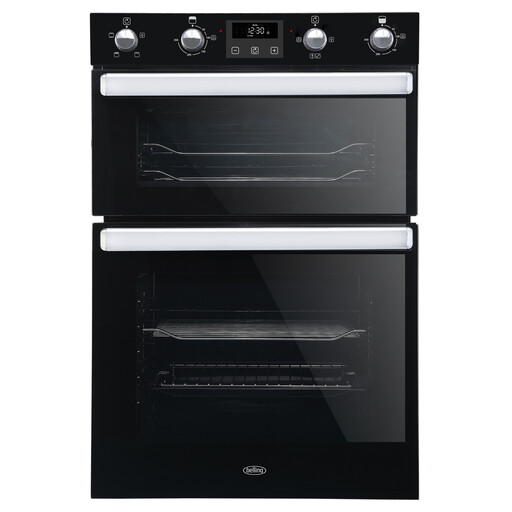 No image available
A double oven may help when the nut loaf and other dinner dishes need separate cooking spaces.
Check the required housing dimensions and connection arrangements for this exact model.
 No image available
Consider a single oven if the loaf and side dishes can share one cooking cavity and compatible settings.
Check the cabinet opening and electrical installation requirements for the HHF113BA0B; specifications for the similarly named HHF113BR0B should not be used for this variant.
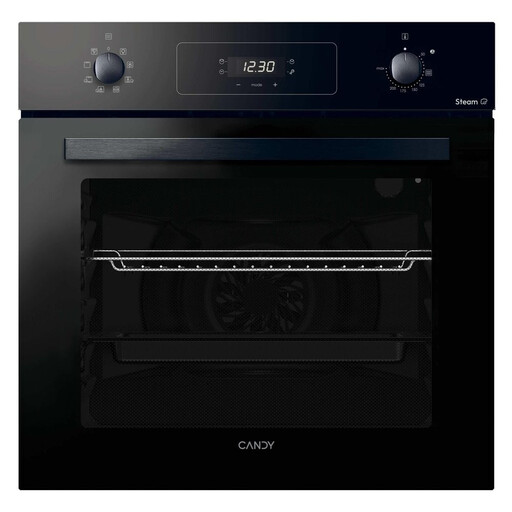 No image available
This single-oven format is an option when the nut loaf does not need a separate cooking cavity from the rest of the meal.
Confirm that the shelf layout accommodates your tins and trays, and check the required housing and permitted electrical connection.
Not necessarily: a single fan oven can suit the meal if your loaf tin and other trays fit and the dishes can share its cooking settings. Consider a double oven when separate temperatures, functions or timings are central to your menu.
Measure the cabinet opening’s height, width and depth, then compare them with the exact oven’s installation instructions. Also confirm the connection type; a nominal 60 cm description does not establish that an appliance will fit.
The installation requirements depend on the exact appliance and the electrical work involved. Bosch lists a GB plug for the HHF113BR0B, while Neff specifies electrician connection for its cited B3ACE4AG3B and U2ACH7AG7B models. Check the instructions for the model you intend to buy; GOV.UK’s Approved Document P covers electrical safety in dwellings in England, not a single compliance process for every UK nation.
Yes, compare the energy documentation for the exact domestic oven and market version alongside its cooking and installation details. UK government guidance lists domestic ovens among products covered by energy-information requirements; an energy label does not measure how evenly an oven roasts.
No. A cleaning feature may matter if you roast frequently or expect spills, but it is separate from cooking performance. Compare the method offered on the exact model: AEG lists Aqua Clean for the BSX23101XM, while Neff lists EcoClean for the B3ACE4AG3B and pyrolytic cleaning for the U2ACH7AG7B.