Hosts cooking several dishes at once
If carrots and another dish need different temperatures or timings, consider two oven cavities. Check whether a tall built-in oven or a freestanding cooker fits your kitchen before choosing between them.


Choose the oven format around the rest of the meal: two cavities help when carrots and another dish need different temperatures or timings, while a full-size single oven can work if the dishes can share a cavity or be cooked in stages. Check the available space and connection before comparing shelf arrangements and cleaning features on individual models.
If carrots and another dish need different temperatures or timings, consider two oven cavities. Check whether a tall built-in oven or a freestanding cooker fits your kitchen before choosing between them.
If your kitchen has a single-oven position, plan the trays and cooking times around one cavity. Compare its capacity, shelf arrangements and fan-cooking functions on the exact model.
Match the new appliance to the existing cabinet or cooker space first. Its dimensions, format, fuel supply and electrical connection can determine which cooking features are realistic options.
Decide whether other dishes need a separate cooking temperature, then establish which appliance format your kitchen can accommodate.
Consider it: When overlapping dishes need two cavities and you have a suitable tall housing.
Check: A tall double will not fit a standard single-oven opening; the NEFF U2ACH7AG7B measures 888 × 594 × 550 mm and specifies electrical connection by an electrician, according to NEFF GB.
Consider it: When carrots and other dishes can share a cooking temperature or be prepared in stages.
Accept: One cavity cannot maintain separate temperatures for two courses; check that its trays and housing dimensions suit your plans.
Consider it: When you are replacing a cooker and want a hob plus two oven cavities.
Check: It needs floor space rather than an oven cabinet; confirm the appliance dimensions and electrical arrangement.
Consider it: When you regularly prepare several dishes and have room for a wider cooker.
Check: Its larger footprint makes kitchen layout, fuel and connection requirements central to the decision.
| Concern | What to check | Who this matters to |
|---|---|---|
| Cooking space | Compare cavity count, usable shelf positions and which functions apply to each cavity. | If carrots and a main course need different temperatures, I want separate spaces rather than waiting for one dish to finish; around 42% of consumers put separate cooking space first. |
| Fit and connection | Measure the available space and check the exact model’s installation and electrical requirements. | When replacing an appliance, I need its format to fit my kitchen and its connection to suit the available supply; roughly 33% of consumers prioritise fit and connection. |
| Roasting and cleaning | Check the model’s stated fan-cooking levels and identify its specific cleaning system. | If I plan to roast on several shelves, I want to know which cooking function covers them and how I will clean up afterwards; about 25% of consumers put roasting and cleaning first. |
Tall built-in and built-under double ovens have different housing requirements. The product information describes tall built-in doubles as approximately 90 cm high, while the NEFF U2ACH7AG7B measures 888 mm high.
Measure the available housing rather than just the old oven’s front panel, and compare it with the exact installation drawing.
Bosch describes cooking on up to three levels for the HQA534BB3B, while Hotpoint describes its HDE6VDW Multiflow function in the main oven. Neither claim establishes how another model or a secondary cavity cooks.
Check the named model’s manual and decide whether the carrots need one large tray, several shelves or a separate cavity.
An appliance may require a fixed electrical connection or a different kitchen space from the one it replaces. NEFF GB specifies electrician connection and no plug for the U2ACH7AG7B.
Confirm the chosen model’s connection requirements and your kitchen’s supply with an appropriate installer before ordering.
A reference for built-in single and double ovens, including models intended for cooking on multiple levels.
A reference for built-in single ovens with fan cooking and cleaning features on selected models.
A reference for comparing built-in single ovens with double-oven formats.
A reference when replacing a freestanding cooker with an appliance that includes a hob and two oven cavities.
These choices cover tall built-in double ovens, built-in single ovens and a freestanding double cooker. Choose the format that fits your kitchen and cooking schedule before comparing individual models.
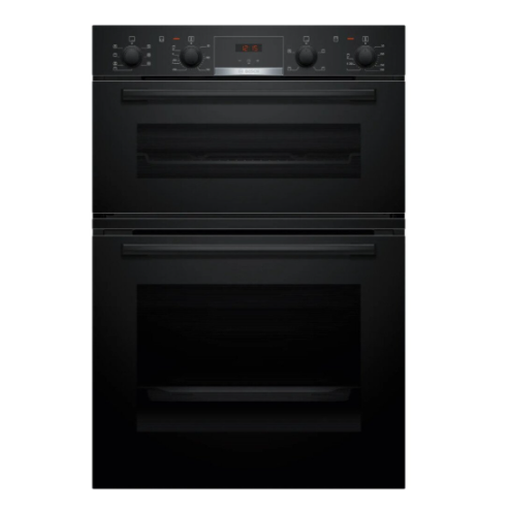 No image available
A built-in double-oven option when carrots and another dish need separate cooking spaces.
Check the housing, ventilation and electrical requirements against the installation instructions before ordering.
 No image available
Consider this tall double-oven format if the meal calls for two cooking spaces.
Check the installation drawing against the available housing and confirm the hardwired connection requirements with an electrician.
 No image available
A single-oven option if you can cook the carrots alongside compatible dishes or prepare courses in sequence.
One cavity cannot hold independently controlled temperatures. Check its installation dimensions and hardwired connection requirements.
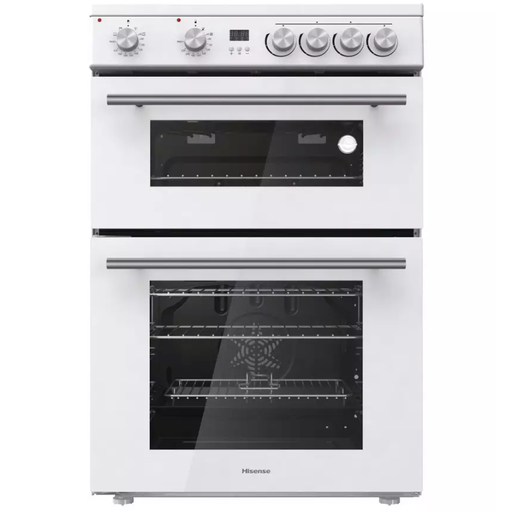 No image available
Its double-oven and hob format suits a freestanding cooker replacement when the kitchen layout allows for one.
It does not fit a built-in oven cabinet. Confirm the available floor space and electrical requirements with a qualified installer.
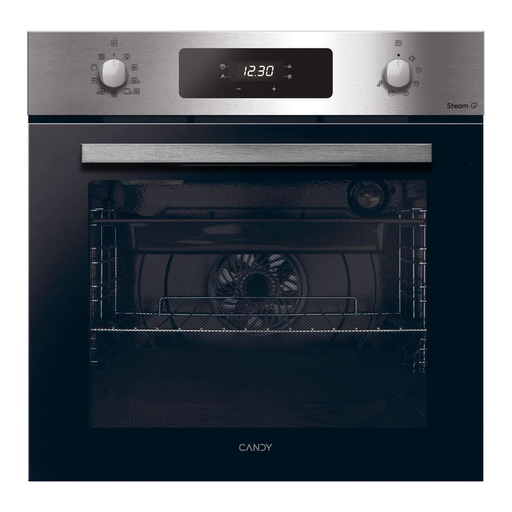 No image available
A single-cavity option if the carrots and other dishes can share a cooking schedule; its title identifies a pyrolytic cleaning function.
For dishes needing different temperatures, plan to cook in stages. Check the installation cut-out and electrical connection in the model’s instructions.
Not necessarily: two cavities are useful when carrots and another dish require different temperatures or timings. If they can cook together or in stages, a full-size single oven may suit the meal; check the exact model’s cavity and shelf arrangements.
Measure the available housing height, width and depth, then check the chosen model’s installation drawing. The product information distinguishes standard built-in singles, tall built-in doubles and built-under doubles by format, so a shared description such as double oven does not establish that two appliances fit the same opening.
Identify the cleaning system on the exact model rather than relying on a general easy-clean description. AEG UK lists pyrolytic cleaning for the GA5PB501AB, Bosch GB lists EcoClean Direct and hydrolytic cleaning for the HQA534BB3B, and Hotpoint UK lists a steam cleaning cycle for the HDE6VDW; these are different features.
Check the chosen model’s specified connection and electrical requirements against your home’s supply with an appropriate installer. For Great Britain, GOV.UK guidance from the Office for Product Safety and Standards explains that the Electrical Equipment (Safety) Regulations 2016 set requirements for electrical equipment placed on the GB market; Northern Ireland has different arrangements under the Windsor Framework, so GB-specific guidance should not be assumed to apply there.