Family roast organisers
You need room and shelf flexibility to cook sweet potatoes alongside a main dish and sides without relying on separate batches.


Choose a built-in fan oven if one cavity accommodates your sweet-potato tray and the other dishes you normally cook alongside it. A double oven makes more sense when dishes regularly need separate temperatures or timings; consider an AirFry feature if you will use it often, but check the required tray and ordinary roasting functions too. Confirm cabinet fit and installation requirements before ordering.
You need room and shelf flexibility to cook sweet potatoes alongside a main dish and sides without relying on separate batches.
You care about how consistently the oven heats a roasting tray, as well as whether the tray fits, more than a long list of extra programmes.
You want to weigh cleaning options and energy information alongside the cabinet fit and electrical requirements of a built-in oven.
Start with the space needed for the whole meal, then consider how the oven cooks across the tray and what fitting and upkeep will involve. An AirFry feature does not replace those checks.
| Concern | What to check | Who this matters to |
|---|---|---|
| Room for the whole meal | Check tray fit and shelf positions; decide whether dishes need separate cavities. | If sweet potatoes need a broad tray beside a main dish, I want enough usable space without cooking in batches. Around 38% of consumers put meal-space planning first. |
| Even browning | Compare model-specific heat-distribution tests where available and check the cooking modes and tray arrangement. | When roasting sweet potatoes, I want the pieces across the tray to brown consistently rather than tending only one area. For around 31% of consumers, even cooking is the primary concern. |
| Upkeep and installation | Check the cleaning method and energy information, then confirm cabinet fit and connection requirements. | I need an oven I can fit into my kitchen and maintain after regular family meals. Cleaning and installation are the first priority for around 31% of consumers. |
A stated cavity capacity does not tell you whether your roasting tray and another dish will fit on usable shelves at the same time.
Measure your usual tray, then check the exact oven’s internal dimensions, shelf positions, supplied trays and cabinet cut-out requirements.
Cooking modes and compatible trays differ by model; a feature name alone cannot establish how evenly an oven browns a full tray.
Compare independent model-specific heat-distribution information where available, and confirm the modes and trays specified for the oven you are considering.
A built-in oven must suit its housing and the relevant electrical or gas supply. Installation and removal arrangements can also affect the purchase.
Check the model’s connection instructions and arrange qualified installation advice where needed. Confirm what the retailer includes before ordering.
Separate cavities help when dishes need different timings or temperatures, but they also require suitable installation space.
If one cavity usually holds the meal, compare single-oven tray fit and shelf layout before choosing a double oven.
Relevant when comparing built-in single and double ovens for meals with several dishes.
Relevant if coordinating dishes across oven shelves is a frequent part of cooking.
Relevant when comparing built-in oven layouts and model-specific cleaning options.
Relevant if you are considering a multifunction single oven with an AirFry option.
These built-in ovens offer single- and double-cavity options for planning a family roast. Check each model’s tray fit, cooking modes and installation instructions against your kitchen before choosing.
 No image available
Consider this double oven when dishes regularly need separate cooking spaces for a family meal.
Check its full housing dimensions and connection instructions, as well as whether your roasting tray fits the cavity you intend to use.
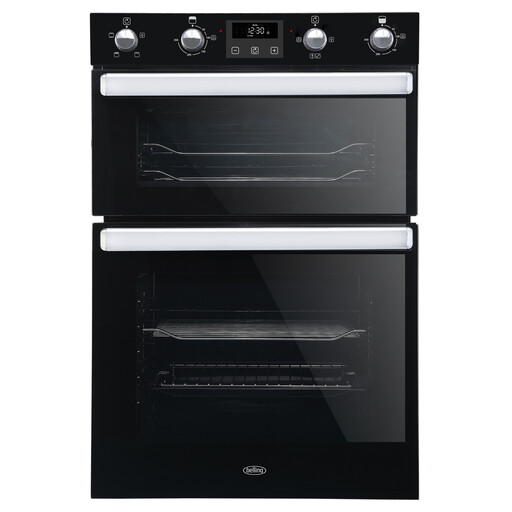 No image available
This double-oven option is worth considering if separate dishes often compete for cooking space.
Check the cabinet cut-out, electrical connection requirements and usable tray clearance for the exact model.
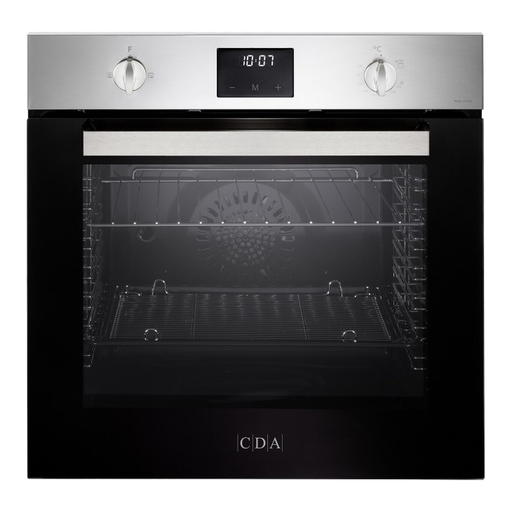 No image available
Consider this single-cavity gas option only if a gas oven suits your kitchen and one cavity fits the meal you normally prepare.
Confirm gas-supply compatibility and installation requirements with a qualified installer, and check your roasting tray against the internal dimensions.
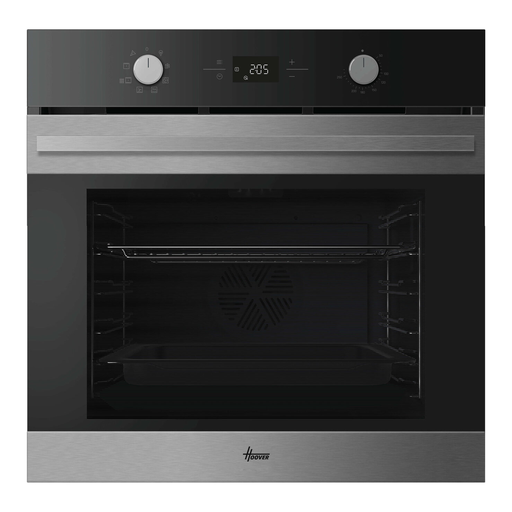 No image available
Consider this single oven if you want to assess whether one larger stated cavity can hold your family roast.
Check the exact cooking modes if fan or hot-air roasting matters to you, along with tray fit and electrical connection requirements.
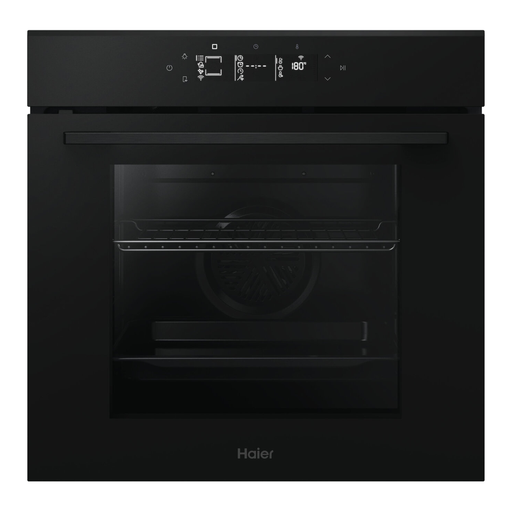 No image available
Consider this single oven if an Air Fry mode is something you expect to use as well as ordinary roasting functions.
Confirm the compatible tray and what is supplied, then check tray clearance, installation requirements and the exact model’s energy information.
Check the exact model’s energy label and product information sheet, and compare the same figures across the ovens you are considering. A product title’s energy-class claim alone does not give you the full model-specific information.
Check the exact oven’s power and connection requirements before making an installation plan. Electrical Safety First advises having an oven fitted by a qualified electrician; connection arrangements differ by model and by the existing circuit.
Choose one for that reason only if you expect to use the feature regularly and have the tray specified for the model. Beko describes its BBIMA17300 AirFry function in conjunction with its dedicated tray, so do not assume any tray or oven bearing an AirFry label works in the same way.
Plan for safe removal and an appropriate reuse or recycling route. Check whether the retailer offers collection or whether a local recycling service will take the appliance; do not assume removal is included with installation.