Family gathering hosts
If several parcels and side dishes need to be ready together, shelf positions, tray space and the option of separate cavities can matter more than a long list of programmes.


A full-size single oven makes sense when the fish parcels and side dishes can share one cavity. Choose a double oven when separate temperatures or timings matter more. For either type, check tray fit, cabinet dimensions and the exact electrical connection before buying; added steam is an optional feature rather than a substitute for those checks.
If several parcels and side dishes need to be ready together, shelf positions, tray space and the option of separate cavities can matter more than a long list of programmes.
If moisture control is a priority, compare the exact steam mode and its cleaning requirements. Descriptions of more succulent results from NEFF and AEG are manufacturer claims, not a promise for every parcel recipe.
Before replacing a built-in oven, check the chosen model’s cabinet requirements and electrical connection. An appliance’s outside dimensions alone do not establish that it will fit the existing housing.
Choose the cavity arrangement around the whole meal, then check whether your trays, cooking plan and kitchen installation suit the exact model.
Choose when: Parcels and sides can be scheduled in one cavity.
Trade-off: Dishes must share a workable temperature and shelf plan.
Choose when: Fish and sides regularly need separate cooking zones or timings.
Trade-off: Check the taller housing required; Bosch UK lists its MBA578BS7B double oven at 888 × 594 × 550 mm.
| Concern | What to check | Who this matters to |
|---|---|---|
| Space for the meal | Usable shelf positions and whether your parcel trays and side dishes fit; do not rely on litre capacity alone. | I need to cook several parcels without leaving the sides until afterwards. Around 31% of consumers would put usable meal space first. |
| Heat and timing | Documented multilevel modes or separate cavity functions; check independent heat-distribution testing where available. | When dishes need different timings, I want a cooking plan that works across the available shelves or cavities. For around 25% of consumers, heat and scheduling flexibility would be the primary concern. |
| Moisture control | The exact added-steam mode and its cleaning instructions, if you plan to use steam beyond this meal. | I value control over moisture in fish and other dishes, while recognising that a parcel already holds moisture. Around 19% of consumers would make that feature their main priority. |
| Fit and connection | The model’s installation dimensions, connection type and electrical requirements. | I cannot choose an oven on cooking features alone if it may not fit my cabinet or electrical provision. Fit and safe installation would come first for around 25% of consumers. |
A capacity figure does not show how several parcels will sit on trays or whether the side dishes can cook alongside them.
Measure the trays you use and inspect the exact model’s cavity layout and shelf positions. Choose two cavities when they solve a recurring timing problem.
Bosch UK and NEFF specify electrician connection for some of their cited models. Electrical Safety First also advises that ovens differ in their connection and circuit requirements.
Read the chosen oven’s installation instructions and establish its electrical requirements before ordering. Arrange a qualified or registered electrician where the installation requires one.
Allow time for an electrician and any circuit work needed for the chosen model and your kitchen.
NEFF’s and AEG’s descriptions of moisture-related results are manufacturer claims. A wrapped fish parcel already creates a moist cooking environment, so added steam is not automatically useful for every dish.
Compare the exact steam mode, cleaning routine and installation requirements with a conventional oven, particularly if you expect to use steam for other meals.
A named cooking mode alone does not establish even heat or accurate controls. Which? describes heat distribution and control accuracy among the factors it tests for built-in ovens.
Where an independent test of the exact model is available, consider its cooking results alongside the manufacturer’s specifications.
A reference point when comparing a full-size single oven with a taller built-in double oven.
Relevant if you want to assess added steam within a single-oven arrangement.
Relevant when comparing full-size single ovens with steam-assisted features and a temperature probe.
These built-in single and double ovens offer different ways to plan fish parcels and side dishes. Compare the exact cavity layout and installation instructions before deciding which configuration suits your kitchen.
 No image available
Consider this double-oven configuration if fish parcels and sides need separate cooking zones.
Check the cabinet aperture, tray fit and hardwiring requirements against the exact installation instructions.
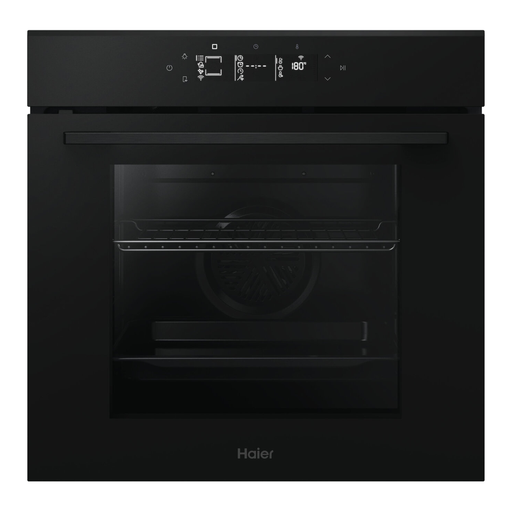 No image available
This single-cavity option is worth considering when parcels and sides can follow one cooking plan.
The title specifies 78 L and Air Fry; check the usable tray space, electrical connection and installation dimensions for your kitchen.
 No image available
Consider this single oven if you can arrange the parcels and sides within one cavity.
Check shelf and tray fit, the cabinet aperture and the stated hardwired installation requirement before ordering.
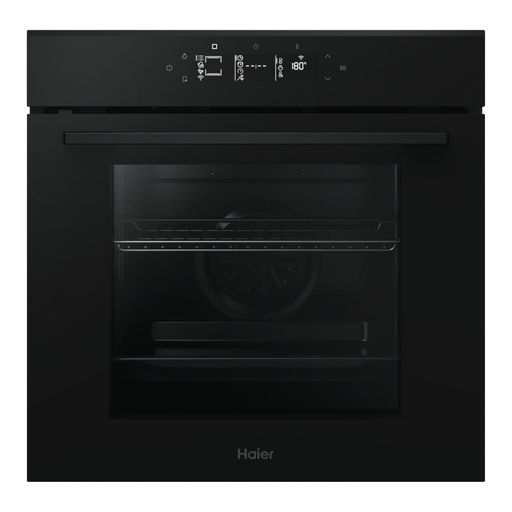 No image available
This single-cavity option suits a meal that can share one oven schedule.
The title specifies 70 L; check parcel-tray fit and the stated hardwiring and dedicated-circuit requirements against the installation instructions.
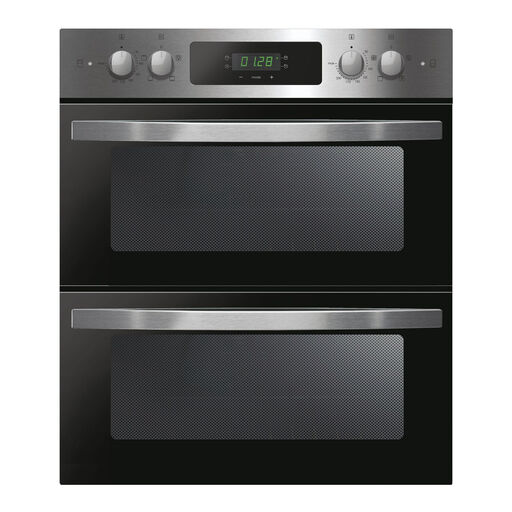 No image available
Consider a built-under double oven when separating fish parcels from dishes with different cooking timings would help.
Confirm each cavity’s cooking modes and usable space, as well as the cabinet and electrical requirements, for this exact model.
Choose a double oven if you regularly need separate temperatures or timings; a full-size single oven is suitable when the meal can share one cavity. Check your tray sizes and the available shelf positions before deciding.
No: the parcel itself helps retain moisture, so added steam is not necessary simply to bake wrapped fish. Consider it if you want to use the exact model’s steam mode for other cooking too, and are comfortable with its cleaning requirements; manufacturer claims about tenderness are not assured results.
That depends on the exact oven and the existing electrical provision: the cited Bosch and NEFF models specify electrician connection, while Electrical Safety First advises checking whether an oven needs hardwiring or a separate circuit and recommends a registered electrician for installation work. In England, GOV.UK’s Approved Document P covers electrical safety in dwellings; do not assume the same installation requirements apply to every model or throughout the UK.
No. Compare the rating alongside the exact model’s cabinet fit, electrical requirements and usable cooking layout; an energy label cannot tell you whether your parcels and side dishes will fit or cook to your planned schedule.