Weekly meal-prep cooks
If you prepare several portions together, look at practical tray space, shelf positions and the oven’s specified fan-cooking functions before choosing specialist programmes.


For batches of fish parcels cooked at one temperature, start with a full-size built-in single fan oven, provided its shelves accommodate your trays. A double oven makes more sense when parcels and other dishes regularly need different temperatures or timings, but check the usable space in each cavity and confirm cabinet fit, ventilation and electrical connection before buying.
If you prepare several portions together, look at practical tray space, shelf positions and the oven’s specified fan-cooking functions before choosing specialist programmes.
If fish parcels often cook alongside sides or another dish, a double oven is worth considering when those foods need separate temperatures or timings.
If repeated cooking makes clean-up a priority, compare the exact cleaning system and the work still required after a cycle. Cleaning features do not determine how many trays will fit.
Start with the space your parcel trays need. Then decide whether accompanying dishes require a second, independently controlled cavity.
| Concern | What to check | Who this matters to |
|---|---|---|
| Usable multi-tray space | Compare cavity and tray dimensions, shelf positions and the specified multi-level fan function. | If I cook several parcels together, I need my trays to fit with room around them rather than relying on the litre figure alone. Around 36% of consumers put usable multi-tray space first. |
| Separate cooking controls | Check each cavity’s dimensions and functions, including which cavity has fan cooking. | When sides need a different temperature or finishing time, I want to cook them separately from the parcels. For around 29% of consumers, that flexibility is the primary concern. |
| Cleaning and timing | Identify the exact cleaning system and check whether the timer offers the cooking-duration controls you need. | Repeated batches make clean-up and keeping track of cooking times important to my routine. These are the leading needs for around 21% of consumers. |
| Kitchen fit and energy information | Check the cabinet cut-out, ventilation and electrical requirements; compare the exact models’ energy labels. | Before choosing functions, I need an oven that can be installed in my kitchen and energy information I can compare. Around 14% of consumers prioritise those checks. |
A stated capacity does not tell you whether your parcel trays fit at useful shelf positions.
Measure the trays, dishes and height of the parcels you use, then compare them with the exact oven’s cavity, shelves and supplied accessories.
Fan and multi-level functions vary by model. A feature name alone does not establish how your particular arrangement of trays will cook.
Check the stated multi-level function, consult independent oven tests where available and follow the model’s guidance on spacing trays.
Electrical Safety First notes that some ovens use a standard plug while others require hardwiring into a dedicated circuit.
Check the model’s installation instructions and electrical requirements against your kitchen. Ask a qualified electrician to assess the connection where needed.
Cleaning methods require different follow-up: AEG describes pyrolytic cleaning as leaving ash to wipe away, while its aqua-clean function assists cleaning with moisture.
Identify the system on the exact model and follow its instructions for removing accessories and wiping the cavity.
Relevant if you are comparing selected built-in single ovens with added steam against double ovens with separate cavities.
Relevant if you want to compare multilevel built-in single ovens with different cleaning systems.
Relevant if you want to explore selected ovens with CircoTherm multi-level cooking or a Slide&Hide door.
These electric ovens include single-cavity choices for same-temperature batches and double-oven layouts for cooking parcels alongside another dish. Check tray fit and installation requirements for the model you are considering.
 No image available
Consider its double-oven layout if parcels and another dish need separate cooking space. Compare the internal tray space in each cavity with your cookware, and check the cabinet and electrical requirements before ordering.
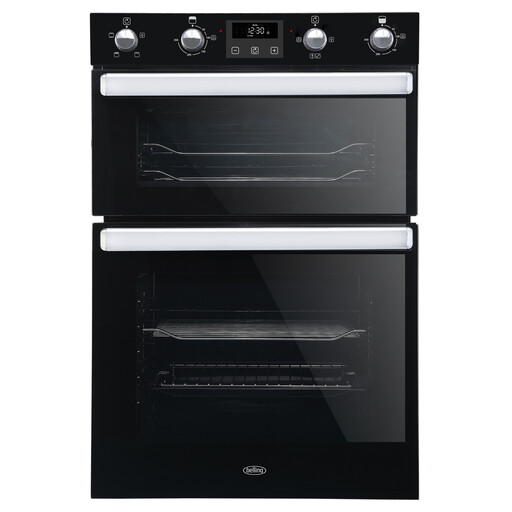 No image available
A double-oven option for cooking parcels and another dish separately. Check usable shelf positions and tray dimensions, then confirm that the installation instructions suit your kitchen.
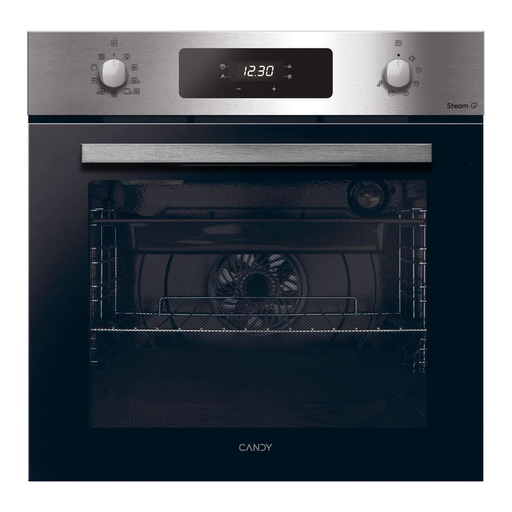 No image available
Consider this single-cavity oven for parcels cooked at the same temperature, particularly if pyrolytic cleaning matters to your routine. Check how your trays fit and follow the model’s instructions before running a cleaning cycle.
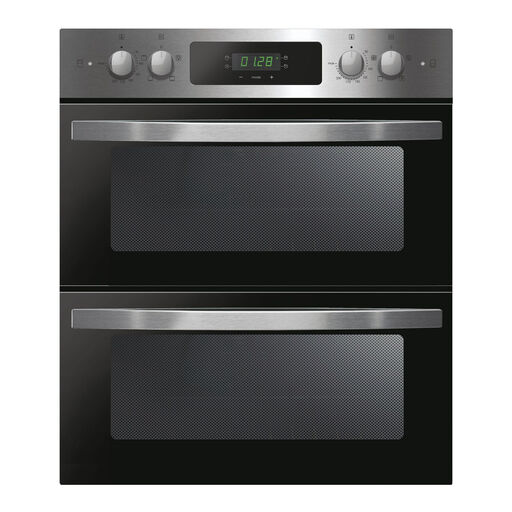 No image available
Its double-oven layout may suit parcels cooked alongside another dish. Confirm the usable space, which cavity offers the fan function you need, and the built-under installation requirements for your kitchen.
No. A double oven is most useful when parcels and other dishes need separate temperatures or timings. For parcels cooked together at one temperature, a full-size single oven may suit you better if its trays and shelves accommodate the batch.
No. A sealed parcel already retains moisture, so added steam is optional for this task. Consider a steam-assisted model if you also want that function for other cooking, and check how the exact model operates.
Check the exact oven and your existing connection before purchase. Electrical Safety First says some ovens use a standard plug while others require hardwiring into a dedicated circuit; have a qualified electrician assess or carry out the connection where required.
Compare the energy label and product information sheet for each applicable model, alongside its cavity size and cooking functions. UK government guidance identifies domestic ovens among the products covered by energy-information rules, but a label does not predict the energy used by your own batches.
No. Oven functions do not replace careful handling of raw fish or appropriate cooking, cooling and storage practices. Wash your hands after handling raw fish and follow suitable food-safety guidance for the portions you prepare.