A built-in single fan oven is a sensible choice if aubergine rolls and the rest of your menu can share one cavity or be cooked in sequence. Choose a double oven when you regularly need separate temperatures at the same time, but check each cavity’s size and cooking functions, as well as the space and electrical connection required for installation. For repeatable tray baking, look for independent tests of the exact model’s heat distribution rather than relying on its fan setting alone.
Who is this for?
Dinner-party hosts cooking several dishes
If aubergine rolls must go in alongside sides or dessert, you need to decide whether those dishes can share a temperature or need separate cavities. NEFF UK and John Lewis & Partners describe the scheduling flexibility of double ovens.
Hosts baking trays in one oven
If you have space for a built-in single oven, usable shelf positions and how evenly the exact model heats matter more than a fan label alone. Which? assesses temperature-control accuracy in its oven testing.
Cooks who want less cleaning after hosting
If sauce and roasting residue make cleaning a priority, compare the exact cleaning system alongside cooking functions. AEG and Bosch describe cleaning options that vary by model.
What matters when choosing?
Decide whether your menu needs one temperature zone or two before comparing tray space, cleaning and installation requirements.
Built-in single oven
Choose when: One main cavity can accommodate your aubergine rolls and other dishes can share its temperature or be cooked in sequence.
Trade-off: Dishes requiring different oven temperatures cannot cook independently at the same time.
Built-in double oven
Choose when: You regularly need separate temperatures for aubergine rolls and another course.
Trade-off: Check the taller housing requirement and the usable size and cooking functions of each cavity; two cavities do not necessarily mean two fan ovens.
| Concern |
What to check |
Who this matters to |
| Separate temperature zones |
Compare each cavity’s usable space and cooking functions if considering a double oven. |
I want the aubergine rolls cooking while another course needs a different temperature; around 36% of consumers put separate cooking zones first. |
| Even tray baking |
Check for a fan mode and independent heat-distribution and temperature-control tests of the exact model where available. |
If I am filling a tray or using several shelves, I want predictable results across the food; around 29% of consumers prioritise even baking. |
| Cleaning and energy information |
Compare cleaning methods and the exact model’s energy label; a cleaning feature does not establish baking performance. |
After guests leave, I would rather spend less time dealing with oven residue and understand the energy information before choosing; around 21% of consumers place these practicalities first. |
| Fit and electrical connection |
Measure the housing against the installation drawing and check the model’s power and connection requirements. |
I need the new oven to fit the existing kitchen and connect appropriately before its cooking features are useful; around 14% of consumers make installation fit their primary concern. |
Buying pitfalls
-
Assuming every fan oven heats every shelf evenly
A fan setting identifies a cooking method, not the results of a particular oven. Which? tests heat distribution and temperature-control accuracy because models differ.
Confirm the fan mode, then consult independent results for the exact model where available. Check the manual for shelf placement when baking more than one tray.
-
Choosing a double oven by its overall size
Two cavities help when dishes need different temperatures, but the size and cooking methods available in each cavity determine what you can make simultaneously.
Measure the housing, inspect the installation drawing and confirm the functions and connection requirements of both cavities before ordering.
A mismatch may mean extra cabinet work or electrical work before the oven can be used.
-
Prioritising extra functions over usable cooking space
Steam and connected features vary by model and are not necessary for baking aubergine rolls.
Check that your trays fit and that the oven has the cooking and cleaning functions you will use before considering extras for other dishes.
-
Overlooking energy information
For domestic ovens within the scope of UK energy-information rules, GOV.UK says an energy label must be displayed at the point of sale, including online.
Read the exact model’s label when comparing ovens, keeping differences in oven format in mind.
Brands to consider
NEFF
NEFF UK offers built-in single, double and compact ovens, with CircoTherm hot-air cooking on selected models.
- Its double-oven range offers two cavities for menus that need separate cooking temperatures.
- NEFF’s multi-level cooking description is a manufacturer claim for selected ovens; check the exact model’s cavity functions and dimensions.
Bosch
Bosch Home UK offers built-in single, compact and double ovens, with cooking and cleaning features that differ by model.
- Bosch lists standard single ovens at 60 × 60 cm and compact units at 60 × 45 cm as a starting point for format comparison.
- Use the exact installation drawing for fit, and assess model-level cooking evidence rather than treating a range feature as a performance result.
Beko
Beko UK offers built-in single, double and multifunction oven ranges.
- Beko describes its multifunction ovens as using a fan alongside multiple heating elements.
- Its AeroPerfect airflow description is a manufacturer claim for selected models; check cavity functions, installation requirements and independent cooking tests where available.
AEG
AEG offers built-in standard and compact ovens, including multifunction models and selected ovens with steam functions.
- AEG describes hot-air cooking across its oven range, with steam available on some models.
- Steam is not needed for aubergine rolls; check usable cavity space and the exact cooking functions before choosing a model for that extra feature.
Joybuy ovens for this menu
These built-in single and double ovens are options for baking aubergine rolls as part of a dinner-party menu. Check the exact fan settings, tray space and installation instructions against how you plan to cook.
 No image available
Belling BEL BI903MFC 90cm built-in double multifunction oven
Consider this double oven when the menu calls for separate cooking spaces. Check which cavity has the fan mode, whether your trays fit and what the installation instructions require.
View on Joybuy
 No image available
Bosch HHF113BA0B Series 2 built-in single electric oven
This single-cavity option suits a menu whose dishes can share oven conditions or be cooked in sequence. Confirm the fan settings, usable shelf layout and electrical requirements for this model.
View on Joybuy
 No image available
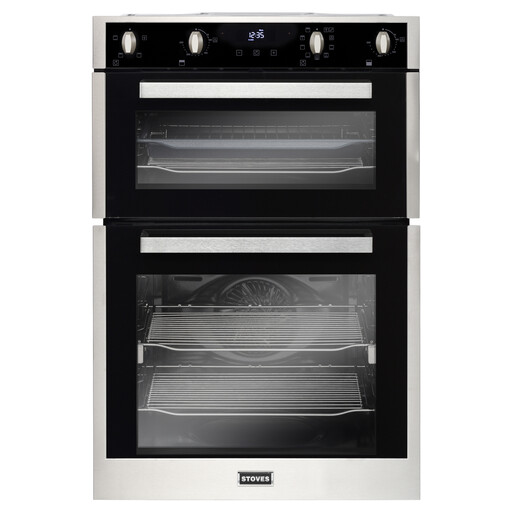
Stoves ST BI902MFCT built-in double electric oven
Two cavities may help when aubergine rolls and another dish need different temperatures. Check the usable space and cooking method in each cavity, then compare the installation drawing and connection instructions with your kitchen.
View on Joybuy
 No image available
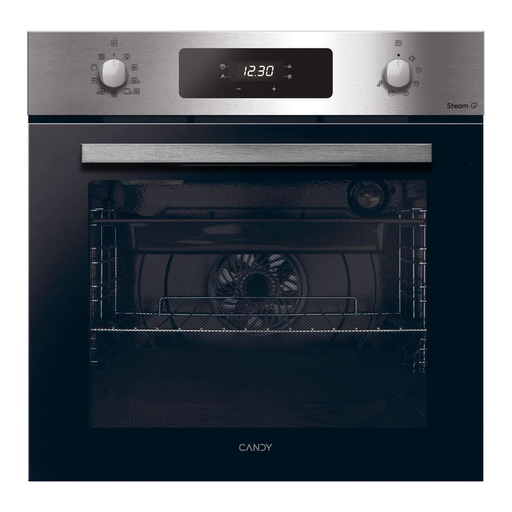
CANDY F CM955XRL/CN built-in single oven with pyrolytic cleaning
This single oven is worth considering if post-party cleaning is a priority and you do not need a second temperature zone. Its pyrolytic cleaning feature does not establish how evenly it bakes, so check the cooking modes and model-level tests separately.
View on Joybuy
 No image available
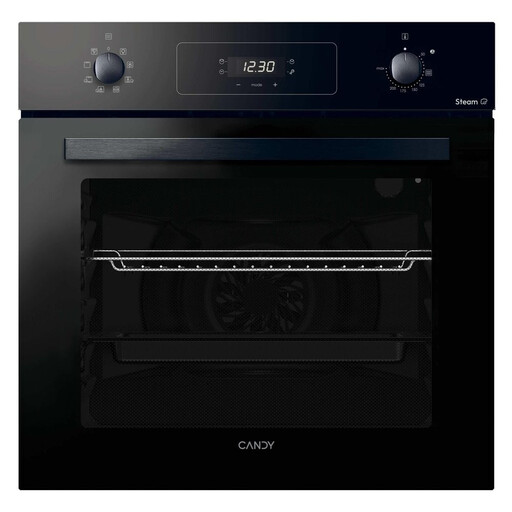
Candy FIDCN605 65L built-in single electric oven
The 65L single-cavity format is an option when your dinner-party dishes can be scheduled around one oven temperature at a time. Check the fan mode and tray fit, and follow the exact model’s installation instructions for its electrical connection.
View on Joybuy
Common questions
Do I need a double oven for dinner-party aubergine rolls?
No: a single fan oven can work when other dishes can share its temperature or be cooked in sequence. A double oven becomes useful when you regularly need two temperatures at once; check the size and functions of each cavity.
Will a fan oven cook every tray evenly?
Not necessarily. A fan circulates heat, but Which? tests heat distribution and temperature-control accuracy because results differ between ovens. Look for tests of the exact model and follow its shelf-placement instructions.
Should I change a conventional recipe’s temperature for fan cooking?
Follow the recipe’s fan-oven instructions and your oven manual first. Beko UK gives a general starting point of 20°C below a conventional-oven temperature for fan-assisted cooking, but check the dish as it cooks rather than treating that adjustment as universal.
What energy information should I check for an oven?
Check the exact model’s energy label when comparing domestic ovens within the scope of UK energy-information rules. GOV.UK says the label must be displayed at the point of sale, including on a website; compare ovens with their formats in mind.
Will a built-in electric oven need an electrician?
That depends on the oven’s connection requirements and your existing installation. Electrical Safety First advises checking power requirements before choosing an oven; read the exact model’s instructions and consult a qualified electrician if fixed wiring or electrical changes are needed.


