Occasional buffet baker
If tartlets are an occasional party dish and you are keeping an existing built-in kitchen layout, a single fan oven may be enough. Check whether its usable shelves accommodate your tins at the same time.


For occasional buffets, consider a built-in fan oven with enough usable shelf positions for your tartlet tins. If you regularly need tartlets cooking alongside dishes at a different temperature, a double oven or cooker gives you separate cavities. Check tray fit, kitchen space and electrical requirements before choosing a format; a stated capacity or multi-level feature alone cannot establish how your loaded trays will bake.
If tartlets are an occasional party dish and you are keeping an existing built-in kitchen layout, a single fan oven may be enough. Check whether its usable shelves accommodate your tins at the same time.
If tartlets must bake while another dish cooks, reheats or grills at a different setting, separate cavities can make the schedule easier to manage. Check the dimensions and functions of each cavity, not just the appliance as a whole.
If you can change the appliance layout, compare built-in housing with the floor space needed for a cooker. Measure the available space and check electrical and fuel provisions before deciding whether additional cooking zones justify the larger format.
Choose the appliance format around the dishes that must cook simultaneously, then check whether the exact oven accommodates your tartlet trays. The formats below offer different ways to organise buffet cooking; none guarantees even results with every tray arrangement.
Consider it when: Most tartlets can bake at one temperature in an existing compatible housing unit.
Trade-off: One cavity cannot independently cook another buffet dish at a different setting.
Consider it when: You want separate cooking spaces while retaining a built-in layout.
Trade-off: Housing requirements and the size and functions of each cavity need checking individually.
Consider it when: You are replacing a cooker and need a main oven plus a second oven or grill.
Trade-off: The cooker gap, hob type and installation requirements must suit the kitchen.
Consider it when: Frequent, high-volume buffet cooking warrants a wider appliance with multiple cooking zones.
Trade-off: It needs substantially more floor space and careful planning for delivery, fuel and installation.
| Concern | What to check | Who this matters to |
|---|---|---|
| Tray capacity and separate zones | Compare usable cavity dimensions and shelf positions with your tins; check whether separate cavities can run at the settings you need. | If tartlets and another hot dish must be ready together, I need enough tray space without forcing both into one temperature zone. Roughly 34% of consumers put this capacity and separation need first. |
| Results across several trays | Check the exact model’s multi-level mode and tray guidance; use independent heat-distribution tests where available. | When several trays must finish for the same serving time, I care most about whether their pastry browns consistently. Around 33% of consumers prioritise multi-tray consistency. |
| Pastry finish | If considering added steam, check how the exact mode works and whether it suits your recipe; confirm that the required standard baking mode is available. | I would rather control the tartlet shells’ finish than gain another cavity, and I need a baking mode that fits my recipe. About 20% of consumers make pastry finish their primary concern. |
| Cleaning and ownership | Compare the exact cleaning system and disclosed energy information; check installation requirements before ordering. | After repeated buffet baking, I want cleaning and day-to-day appliance upkeep to remain manageable. Roughly 13% of consumers put this ownership need first. |
A cavity figure does not tell you whether your tartlet tins fit on the available shelves or leave room for airflow. A second cavity may also be more useful than extra space in one cavity when another dish needs a different setting.
Measure your tins and compare them with the exact model’s usable cavity dimensions, shelf positions, rails and supplied trays.
A manufacturer’s multi-level claim does not establish how your recipe, tins and fully loaded shelves will brown. Which? assesses heat distribution in its independent built-in-oven testing.
Try the intended full-tray arrangement before the buffet, following the recipe and oven manual for shelf placement or tray rotation.
Connection requirements differ between ovens, and an unsuitable kitchen circuit or appliance space can prevent the planned installation.
Check the exact model’s rated load, connection instructions and dimensions in advance. Electrical Safety First recommends using a qualified electrician for oven fitting.
A model that needs hardwiring may require electrical work before it can be used.
Multiple cooking zones are useful only if you will use them often enough to justify the wider appliance and the kitchen space it occupies.
Compare your recurring cooking schedule with the available floor space, delivery access and installation requirements before choosing a range cooker.
These brands illustrate oven formats and features relevant to buffet baking. Check the specification of the particular model you are considering; a brand’s features do not apply to every appliance it makes.
Relevant when comparing built-in single ovens with added steam and built-in double ovens.
Relevant to buyers considering a built-in single oven with a stated multi-level mode.
Relevant if a built-in oven with both multilevel cooking and a steam-assisted option interests you.
Relevant when comparing built-in single ovens with stated multi-level cooking and different cleaning systems.
Relevant when deciding between an integrated fan oven and a freestanding double-oven cooker.
These choices cover built-in or built-under double ovens, freestanding double-oven cookers and a range cooker for preparing tartlets alongside other buffet dishes. Compare each appliance’s fit and cooking functions with your kitchen and trays.
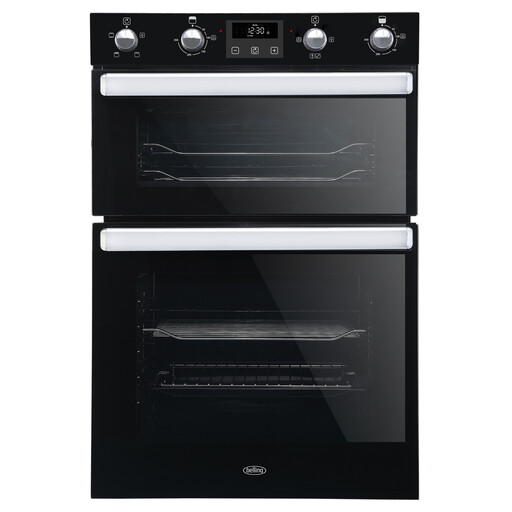 No image available
Consider this built-in double oven if tartlets and another buffet dish need separate cooking spaces.
Check that the housing fits and that your tins suit the usable shelves; confirm the electrical connection and trial your loaded tray arrangement before an event.
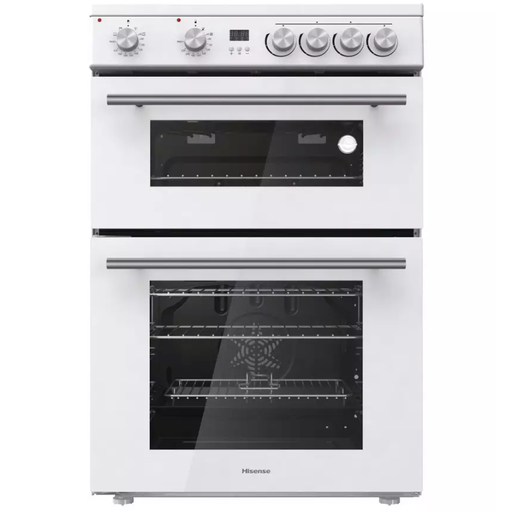 No image available
Consider this freestanding cooker when replacing a cooker and planning tartlets alongside a separate cooking task.
Its product name specifies a ceramic hob. Measure the cooker gap and tartlet tins, and check the shelf layout and electrical requirements before ordering.
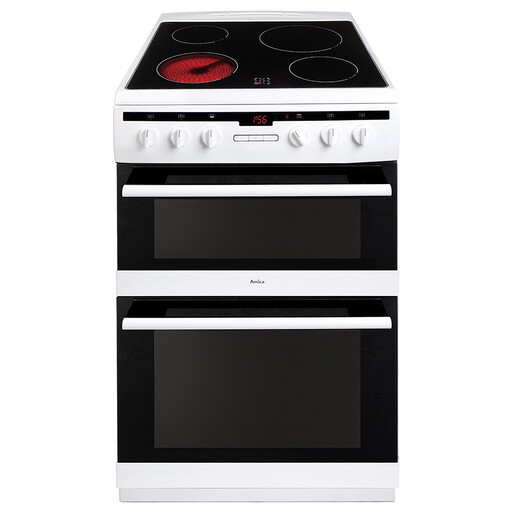 No image available
Consider this cooker if you need separate oven spaces for tartlets and another buffet dish.
Check tin fit and shelf positions. The listing limits delivery to BN and TN postcodes and specifies hard-wired installation; confirm address eligibility and arrange a qualified electrician as needed.
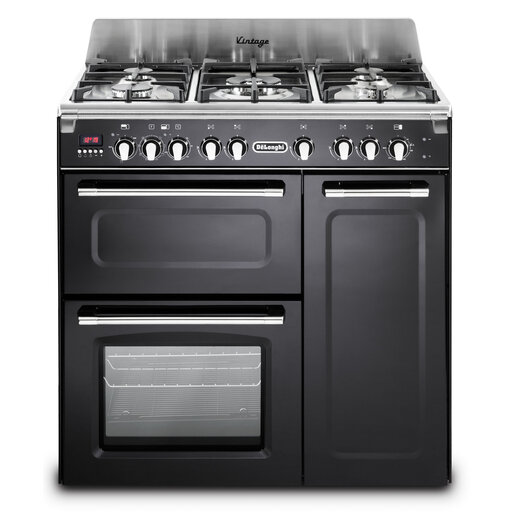 No image available
Consider this range-cooker format if frequent multi-dish buffets justify its wider footprint.
Confirm the 90 cm space, fuel and electrical provisions, and your tins’ fit on the available shelves. Check the main oven’s exact capacity in the model documentation before relying on a litre figure.
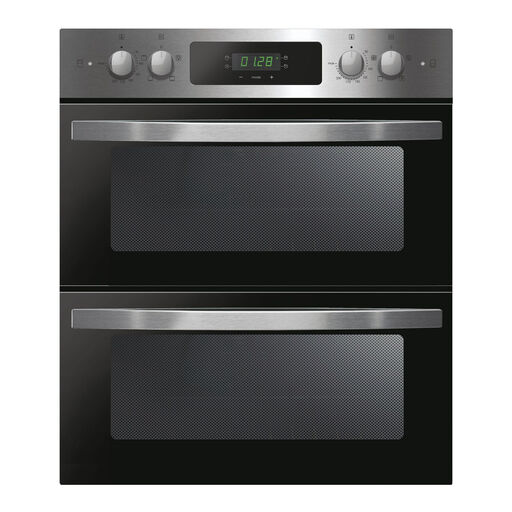 No image available
Consider this built-under double oven if you want separate cooking spaces without changing to a freestanding cooker.
Check the compatible kitchen unit, each cavity’s fan functions, usable dimensions and shelf positions against your tins; confirm the electrical connection before ordering.
A single multi-level fan oven can suit occasional tartlet batches cooked at one temperature; choose separate cavities if another dish regularly needs a different setting at the same time. Compare actual tin fit and shelf positions before assuming a double oven will hold more tartlets.
Not necessarily: a multi-level mode does not guarantee identical results with every tin, recipe and shelf arrangement. Check the model’s instructions and try the fully loaded arrangement before the buffet.
Check the exact appliance’s dimensions, rated load and connection instructions against your kitchen before ordering. Electrical Safety First advises having an oven fitted by a qualified electrician; some models require hardwiring rather than a plug-in connection.
Compare the energy label and product information document for eligible models, paying attention to the exact appliance and cooking mode. GOV.UK identifies these documents as part of energy-label information; an energy class alone does not tell you how much a particular buffet will use.
Choose a cleaning system you are willing to use after baking, and follow the exact model’s manual for permitted methods and accessories. For example, Hotpoint lists both pyrolytic and steam-cleaning options on its HO 278P X UK; check how a prospective oven’s system works before choosing it for that feature.