Hosts needing a second cooking zone
If your chicken traybake shares oven time with sides, pudding or dishes to keep warm, separate cavities let you plan those dishes without relying on one chamber.


Choose the oven format around your kitchen installation and whether sides or dessert need a separate cooking zone. A compatible single built-in oven can suit one main traybake; a freestanding double-oven cooker offers separate cavities, while easier tray access and cleaning matter most if they address a regular hosting frustration. Check that your roasting tray fits the exact model, and follow the chicken packaging instructions before serving.
If your chicken traybake shares oven time with sides, pudding or dishes to keep warm, separate cavities let you plan those dishes without relying on one chamber.
When replacing an integrated oven, check the cabinet opening, installation depth and electrical connection before comparing cooking features.
If roasting splatters are a recurring chore, compare the cleaning system and how easily you can reach the tray rather than prioritising baking features you rarely use.
Decide whether you need two independently usable cavities, then check which format fits your kitchen. Tray access, cleaning and cooking controls can help distinguish models that meet those basic requirements.
Choose it when: An existing built-in housing is suitable and one cavity can handle your main traybake.
Trade-off: Side dishes cannot cook in a separately controlled cavity at another temperature.
Choose it when: You are replacing a cooker and regularly need a second cavity for another dish or for warming food.
Trade-off: It needs suitable floor space and electrical installation, and includes a hob as part of the appliance.
| Concern | What to check | Who this matters to |
|---|---|---|
| Cooking space | Count usable cavities and check that your roasting tray fits; compare each cavity separately if choosing a cooker. | If I need to roast chicken while sides or pudding use the oven, a second cavity is my priority. Around 31% of consumers put separate cooking space first. |
| Kitchen fit | Compare the exact installation drawing with your cabinet or cooker space, including clearances and electrical requirements. | Before choosing cooking features, I need to know the appliance can fit and be connected in my kitchen. For around 31% of consumers, installation suitability comes first. |
| Tray access and cleaning | Check the door design and the model manual for its cleaning programme and remaining manual upkeep. | When I roast regularly, reaching the tray and dealing with splatters affect every dinner. Easier access and clean-up are the main concern for around 23% of consumers. |
| Cooking controls | Check the exact model for modes you will use, such as multilevel cooking or baking functions. | Once space and fit work for me, I may want particular controls for other dishes I make often. Around 15% of consumers prioritise that feature flexibility. |
An oven’s outside dimensions alone do not establish whether its cabinet opening, ventilation clearances and connection suit your kitchen. The cited Bosch HBG7341B1B and NEFF B64CS71G0B built-in models specify electrical connection by an electrician.
Measure the opening and compare it with the exact model’s installation instructions before ordering.
If the cabinet or connection needs changing, plan for the associated installation work.
A single oven can roast the traybake, but it cannot give sides or dessert a separately controlled temperature at the same time. AEG lists two cavities for its CCB6741ACB cooker: 73 L and 39 L.
Write down which dishes need oven time at your usual dinner party, and choose a second cavity if that overlap is routine.
Steam functions, connected controls and timers do not establish whether the chicken is cooked through.
Follow the chicken packaging instructions and check that it is steaming hot throughout, with no pink meat or pink/red juices, before serving.
NEFF lists pyrolytic and hydrolytic cleaning for the B64CS71G0B, while AEG lists catalytic cleaning for the CCB6741ACB. Their care routines should not be assumed to be the same.
Read the exact model manual to see what the programme cleans, what must be removed beforehand and what still needs wiping by hand.
Relevant when comparing built-in oven formats and connected controls.
Relevant if reaching a roasting tray, multilevel cooking and cleaning modes are important.
Relevant to shoppers replacing a freestanding cooker with a hob and two oven cavities.
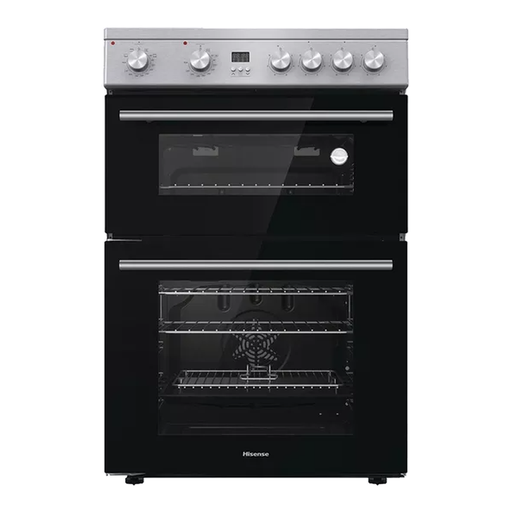
These choices include freestanding cookers with two ovens for overlapping dishes and built-in single ovens for kitchens where one roasting cavity is enough. Check the exact installation instructions and the space available for your roasting tray before choosing.
 No image available
Consider this freestanding cooker if you need one oven for the traybake and another for a separate dish.
Its product name specifies a ceramic hob and stainless-steel finish. Check the available space, electrical installation requirements and your tray’s fit before ordering.
 No image available
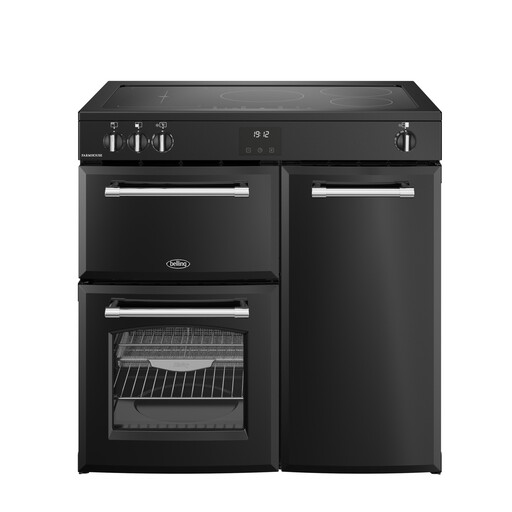
This dual-oven cooker is an option when dinner-party dishes need separate cavities and you have space for a wider range cooker.
The product name specifies a five-zone induction hob with Link+ and an AirFry function. Confirm the full installation requirements and that your tray fits the intended cavity.
 No image available
Consider this model if one oven cavity can handle your main traybake and you are replacing a built-in oven.
It is a single electric oven in black, not a separately controlled double oven. Compare its installation instructions with your cabinet and check your roasting tray’s fit.
 No image available
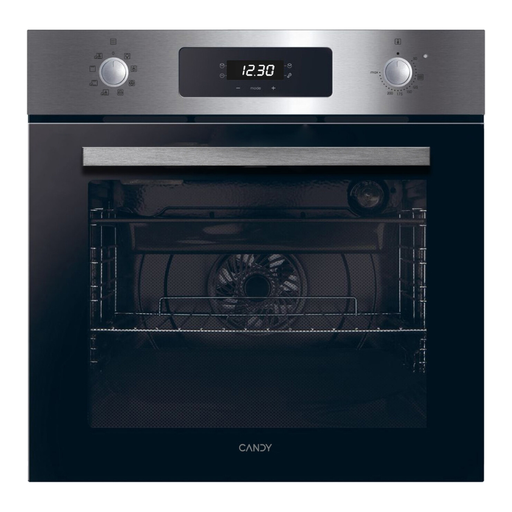
This single-cavity option suits a kitchen where the main traybake does not need a separately controlled second oven.
The product name specifies a 70 L capacity and stainless-steel finish. Confirm the electrical connection for this exact variant with the installation instructions before buying, and check your tray’s fit.
 No image available
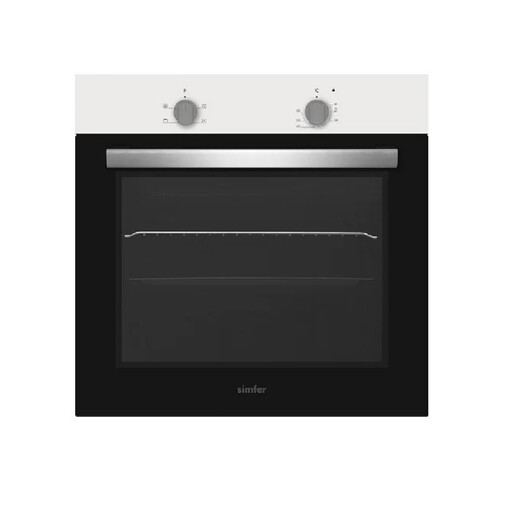
Consider this white single oven when one cavity is enough for the chicken traybake.
Check the appliance and cabinet installation dimensions against your kitchen rather than using packing dimensions, and measure the roasting tray you intend to use.
No, not if one cavity can accommodate the traybake and your other dishes can be timed around it. A double-oven cooker is worth considering when sides, dessert or warming dishes regularly need a separate cavity; AEG lists a 73 L main oven and 39 L second oven for its CCB6741ACB.
Check the exact model’s appliance and cabinet dimensions, ventilation clearances and electrical connection against its installation instructions. Bosch and NEFF specify an electrician for connection of the cited HBG7341B1B and B64CS71G0B models.
They can: GOV.UK’s Approved Document P gives guidance on electrical safety in dwellings in England, including when electrical work must be notified. It does not establish identical requirements across every UK nation or installation, so confirm the requirements that apply to your home and the exact appliance with a qualified installer.
Follow the raw-chicken packaging instructions and check that the meat is cooked through and steaming hot, with no pink meat or pink/red juices. An oven timer, programme or remote notification cannot replace checking the chicken itself; Food Standards Agency research discusses the precaution of avoiding chicken or turkey that is pink or has pink/red juices.
Compare the exact oven model’s warranty terms, repair coverage, manual and spare-parts policy. Bosch says functionally relevant and storable spare parts for large appliances made after 1 January 2023 are generally available for up to 15 years; that qualified statement should not be assumed to cover older models or other brands.