Occasional coffee-cake bakers
If you bake one cake at a time and also use the oven for everyday meals, start by checking its fan and conventional settings against the recipes you make. Specialist baking functions need not drive the choice.


For one coffee cake at a time, start with an electric fan oven; choose a multifunction model with conventional heat if your recipes call for it. Multi-level baking or separate cavities become more useful when you regularly bake batches or cook another dish alongside dessert, while steam assistance is optional. Check the fitting dimensions and electrical connection before ordering.
If you bake one cake at a time and also use the oven for everyday meals, start by checking its fan and conventional settings against the recipes you make. Specialist baking functions need not drive the choice.
If you fill several shelves or cook dinner alongside a cake, look at the stated multi-level function, usable shelf space or separate cavities. Do not assume every fan oven is specified for the same number of levels.
If clean-up, assisted programmes or added humidity matter to you, compare how the exact oven provides those functions. A steam-baking feature and a steam-assisted cleaning programme serve different purposes.
Settle the heating modes your coffee-cake recipes require, then decide whether batch space or optional baking and cleaning features justify a more specialised oven.
| Concern | What to check | Who this matters to |
|---|---|---|
| Even baking and recipe settings | Look for fan cooking and, if your recipes specify it, conventional heat; check for a timer. | When I bake one cake, I want to follow the recipe’s stated oven setting and keep track of baking time. Around 45% of consumers put that single-cake consistency need first. |
| Batch space | Check the model’s stated multi-level capability and whether your tins fit its shelves; consider separate cavities for different temperatures. | Several cakes or a meal alongside dessert make usable shelf space and separate cooking temperatures my priority. That is the leading need for roughly 33% of consumers. |
| Baking and cleaning extras | Check how added steam works and which cooking modes use it; identify the exact cleaning system and its care instructions. | If I bake frequently, I may value a particular humidity-assisted method or an easier clean-up routine more than extra batch space. About 22% of consumers place those features first. |
A nominal width does not establish the required cabinet cut-out or ventilation clearances. The installation drawing for the exact model determines whether the available space is suitable.
Measure the aperture and surrounding clearances, then compare them with that drawing before ordering.
An unsuitable aperture can mean cabinet alterations or a rearranged installation.
Connection requirements vary. NEFF specifies electrician connection without a plug for its B1GCC0AN0B, and Electrical Safety First advises checking an oven’s power requirements.
Confirm the connection type and electrical load for your chosen model, and arrange a qualified installer where required.
Added-steam functions are specific baking options, not a requirement for an ordinary coffee-cake recipe. They also differ from steam-assisted cleaning.
Check the model’s steam method, compatible cooking modes and water-care routine before deciding whether you would use it.
Catalytic, hydrolytic and pyrolytic systems use different approaches to residue. A cleaning feature does not remove the need to follow the model’s care instructions.
Identify the exact system and check the manual before using a cleaning programme or product.
These model examples show which features to compare; a feature on one oven should not be assumed to appear across its brand’s range.
Relevant if you are comparing multi-level fan baking with optional added steam in a built-in oven.
Relevant if multi-level baking, door access or particular cleaning features influence your choice.
Relevant if you expect to use humidity-assisted baking as well as ordinary fan cooking.
Relevant if you are weighing multi-level airflow, programmes and clean-up features in a 60 cm built-in oven.
These choices include built-in single and double ovens, plus a freestanding double-oven cooker. Choose the layout that fits your kitchen and cooking routine, then check the exact model’s modes, fitting instructions and electrical connection.
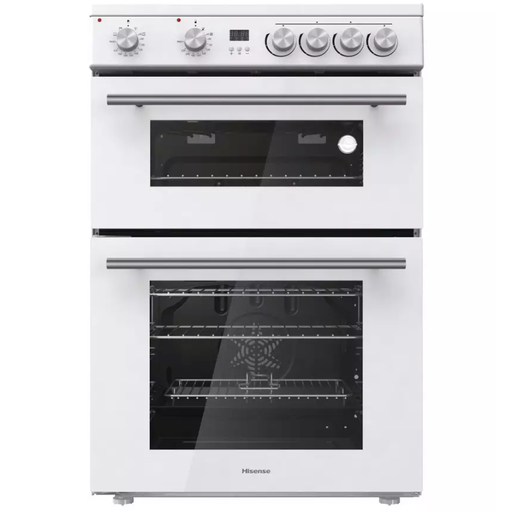 No image available
Consider this freestanding cooker if you want a second oven for food needing a different cooking temperature. It has a ceramic hob; check the available space and electrical connection before buying.
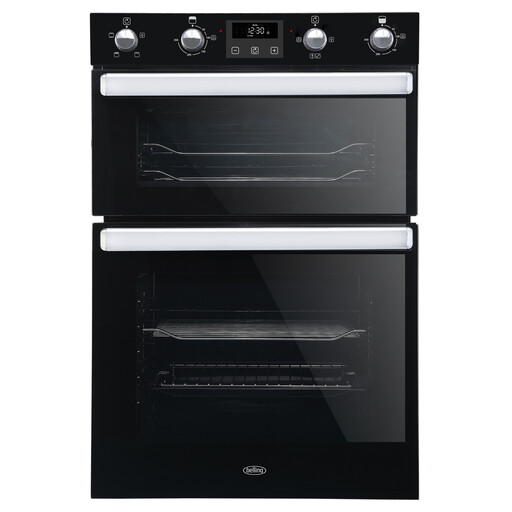 No image available
Consider the two-cavity layout if you often bake a cake alongside a dish needing another temperature. Check the cabinet cut-out, electrical connection and cleaning instructions for each cavity.
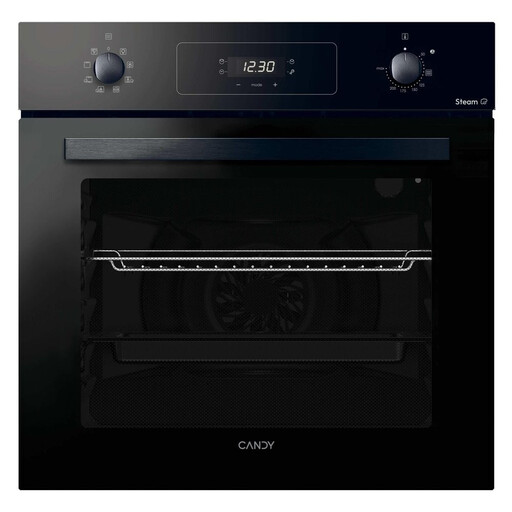 No image available
A single-oven choice to consider when you bake one cake at a time and use recipes calling for fan or conventional heat. Check the cabinet cut-out and connection requirements; its Aquactiva cleaning function should not be confused with steam baking.
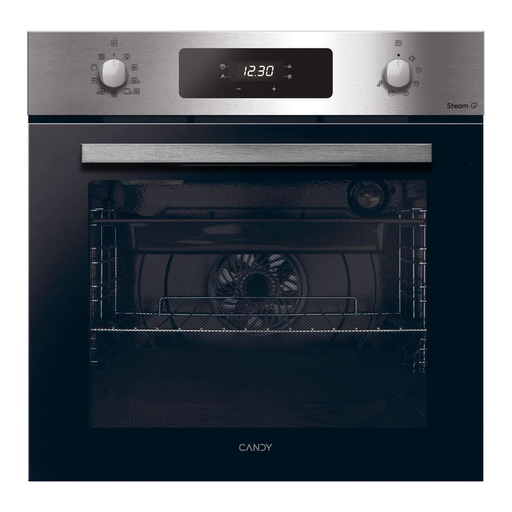 No image available
Consider this single oven if you want fan or traditional cooking modes and would use pyrolytic cleaning. Check the cabinet cut-out and electrical connection; follow the model’s instructions for removing accessories and ventilating during its cleaning cycle.
 No image available
Consider this model if you want to bake across several shelves. Check its stated shelf arrangement and whether its modes and timer meet your recipes; confirm the cabinet dimensions and hardwired installation requirements.
Yes, a fan oven is a practical starting point for baking one coffee cake. Check whether your recipe specifies a fan or conventional temperature; if you regularly use conventional settings, look for a multifunction oven that explicitly offers them.
No, steam assistance is optional rather than necessary for an ordinary coffee-cake recipe. Consider it if you expect to use the particular model’s humidity-assisted baking modes, and check its water and cleaning routine.
A double oven is worth considering when you regularly need separate cooking temperatures for a cake and another dish. If the main need is several trays at once, compare the exact model’s stated multi-level function and shelf space before choosing between a single and double oven.
Check the model’s cabinet cut-out, ventilation instructions, connection type and electrical load against your kitchen. Electrical Safety First advises reviewing power requirements and using a qualified electrician; GOV.UK’s Approved Document P provides electrical-safety guidance for dwellings in England, while requirements elsewhere in the UK can differ.
No. Catalytic surfaces and hydrolytic or pyrolytic programmes manage residue in different ways, and each has model-specific care instructions. Check what you must remove or wipe down and which cleaning products the manufacturer permits.