Hosts cooking several dishes at once
If the cobbler shares oven time with a roast, sides or another course, decide whether those dishes can use one temperature. Separate cavities matter more when their temperatures or timings differ.


Choose a fan-assisted single oven if the cobbler is the main oven task and other dishes can cook before or after it. If dessert and savoury dishes need different temperatures at the same time, consider a double oven—but check that your kitchen has the housing space and electrical arrangement it requires. A self-cleaning single oven may suit frequent baking, though its extra functions do not provide a second cavity.
If the cobbler shares oven time with a roast, sides or another course, decide whether those dishes can use one temperature. Separate cavities matter more when their temperatures or timings differ.
If cobblers, crumbles and everyday meals are your main uses, check that your usual baking dish fits and that the oven offers the cooking controls you want before paying attention to extra functions.
Compare the exact cabinet opening and installation instructions with the proposed appliance. Bosch and NEFF model information shows that built-in ovens of a similar format can have different electrical connection requirements.
Choose when: The cobbler can have the oven to itself, or other dishes can cook at the same temperature or at another time.
Trade-off: One cavity cannot hold two independently controlled cooking temperatures, even when its fan system supports several shelves.
Choose when: Dessert and a savoury dish need separate cavities at the same time.
Trade-off: A tall double oven needs a different housing space from a standard single oven; installation requirements depend on the exact model.
| Concern | What to check | Who this matters to |
|---|---|---|
| Meal timing and space | Check the cavity layout, shelf positions and whether dishes need different temperatures at once. | I want the cobbler ready with the meal, without holding another dish back; around 36% of consumers put simultaneous cooking space first. |
| Baking control | Look at the fan or hot-air modes, temperature controls and space for your baking dish. | If I mainly bake dessert, I want to monitor the topping and filling as they cook; for around 29% of consumers, baking control is the primary concern. |
| Fit and installation | Compare the installation diagram with the cabinet opening, then check the electrical connection and load. | When replacing a fitted appliance, I need it to fit the kitchen and connect appropriately; roughly 21% of consumers prioritise fit and installation. |
| Cleaning and energy information | Compare cleaning systems and the model’s energy label and product information sheet. | I bake often enough for cleaning effort to matter, and I want clear energy information; that is the leading concern for around 14% of consumers. |
The Bosch HHF113BA0B lists a GB plug, while NEFF specifies electrician connection for the B1DCC0AK3B. A similar-looking oven need not suit the same electrical arrangement.
Read the exact model’s installation instructions and ask a qualified electrician to assess the intended connection where needed.
An installation may involve electrician or circuit work, depending on the kitchen and appliance.
Bosch lists its MBA578BS7B double oven at 888 mm high and its HHF113BA0B single oven at 595 mm high. The available cabinet height can determine whether the double format is possible.
Measure the housing and compare it with the manufacturer’s full installation diagram, including required clearances.
Changing from a single-oven opening to tall housing may require cabinet work.
An energy label helps compare energy information; it does not establish how a particular oven will brown a cobbler.
Consider the label alongside the cooking modes, controls and space for your usual dish.
Spilled fruit filling can add to cleaning after the meal. Scottish Fire and Rescue Service advises keeping cookers properly fitted and clean.
Choose a cleaning system you will use, follow the appliance instructions, let the oven cool before cleaning and keep flammable items away while cooking.
Bosch has relevant single- and double-oven examples: the HHF113BA0B is a built-in single oven, while the MBA578BS7B has two cavities.
The built-in B1DCC0AK3B is worth examining if several dishes can share one oven cavity and its cooking settings.
The NBE7P731AT is a single-oven example for buyers interested in a 71 L cavity and additional cleaning and control functions.
These choices cover built-in double ovens for cooking dishes separately, a built-in single oven for the cobbler, and a freestanding cooker for kitchens replacing that type of appliance. Check the format before comparing individual models.
 No image available
Consider this double-oven format if the cobbler and another dish need separate cooking spaces.
Check that the tall housing and electrical arrangement suit this model. Confirm the finish code if the colour matters to your kitchen.
 No image available
This built-in double-oven format is relevant when the cobbler and main course need separate cooking spaces.
Check the installation diagram for the intended eye-level housing and confirm the electrical requirements with a qualified professional.
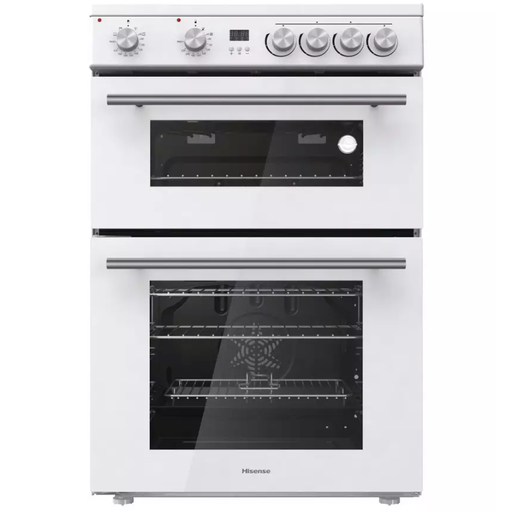 No image available
Consider this cooker if you are replacing a freestanding appliance rather than an oven fitted into cabinetry.
It combines a double oven and ceramic hob. Check the available space and electrical installation requirements before choosing this format.
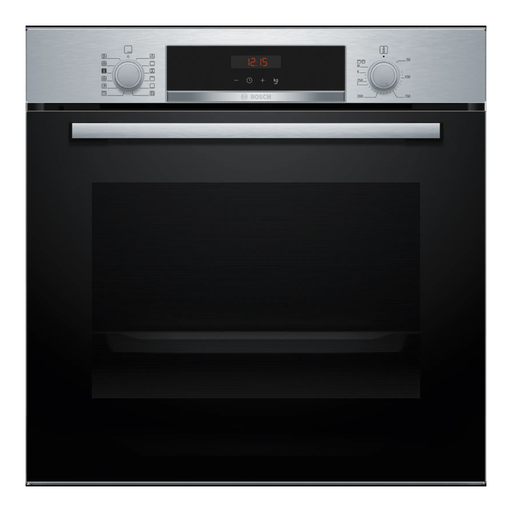 No image available
This single oven suits a kitchen where the cobbler does not need a separate cavity from the rest of the meal.
Pyrolytic cleaning is part of this variant. Follow its cleaning instructions, check the electrical installation and confirm whether the water bowl is included if you intend to use added steam.
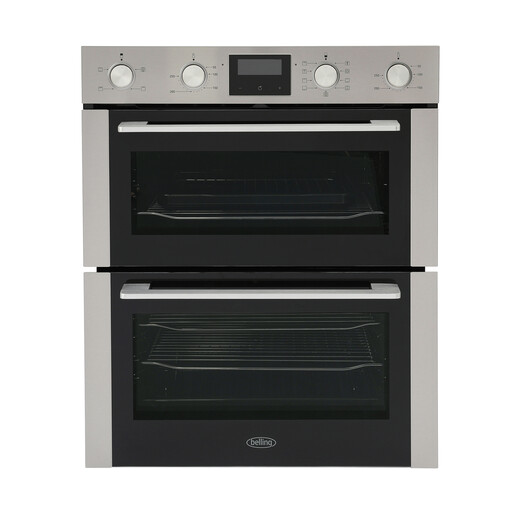 No image available
Consider this built-under format when you need to keep the oven beneath the worktop while planning separate dishes for the gathering.
Compare the exact appliance and housing measurements with the installation instructions, and check the required electrical connection before ordering.
No. An energy label provides energy information, not a prediction of browning or baking results. UK government guidance requires an energy label at the point of sale and a product information sheet for in-scope domestic ovens, including those sold online; compare those documents alongside the cooking modes and cavity layout.
No: the connection depends on the exact oven and kitchen installation. Electrical Safety First notes that some ovens have a standard plug while others require hardwiring into a dedicated circuit. Check the model’s instructions and consult a qualified electrician if you are unsure.
GOV.UK’s Approved Document P gives electrical-safety guidance for dwellings in England, including matters relating to installation, inspection and testing. It does not replace the oven’s installation instructions. If the property is outside England, obtain guidance applicable to its location rather than assuming the same requirements apply.
Let the oven cool and follow its cleaning instructions before removing spilled filling or topping. Keep cloths, paper and other flammable items away during cooking, and do not leave food cooking unattended. Scottish Fire and Rescue Service also advises keeping cookers properly fitted and clean.
Registering it can help you receive a safety-recall notification. Electrical Safety First advises appliance registration; keep the model identifier and purchase and installation paperwork available when you do so.