Occasional home buffet host
If you need several trays for one event, assess a built-in single oven with manufacturer-stated multi-level hot-air baking. Check that its housing, connection and usable shelves suit your kitchen and trays.


For an occasional home buffet, start by assessing a full-size built-in single oven whose manufacturer specifies multi-level hot-air baking. Check the cabinet, electrical connection and usable tray arrangement before relying on it for several batches; a double oven or range cooker makes more sense when separate cavities and frequent large-scale cooking justify the different kitchen space they require.
If you need several trays for one event, assess a built-in single oven with manufacturer-stated multi-level hot-air baking. Check that its housing, connection and usable shelves suit your kitchen and trays.
If turnovers compete for oven time with other buffet dishes, separate cavities may make scheduling easier. A double oven or range cooker needs an appropriate kitchen layout, and each cavity’s cooking modes need checking separately.
Start with the existing housing, ventilation space and electrical supply. An oven’s front width alone will not establish whether it can replace your current appliance.
Choose the oven format around how often you bake large batches and whether other buffet dishes need a separate cavity; then check tray space and installation before considering cleaning extras.
Consider it when: An occasional buffet calls for several trays in one compatible oven housing.
Trade-off: All batches share one cavity and temperature setting; a multi-level feature claim does not establish how many turnover trays will fit.
Consider it when: Turnovers and other buffet food need separately usable cavities and the kitchen has suitable tall housing.
Trade-off: The second cavity may have different cooking modes and capacity from the main oven.
Consider it when: Frequent large-scale entertaining warrants multiple ovens and a freestanding cooker suits the kitchen.
Trade-off: It is a different layout and installation decision from replacing a built-in oven; check the cooking performance of the particular model.
| Concern | What to check | Who this matters to |
|---|---|---|
| Several trays baking at once | Look for model-specific multi-level hot-air guidance, usable shelf positions and tray fit. Manufacturer level claims are not a guarantee of identical browning. | If I want turnovers from several shelves ready together, uneven browning could disrupt serving. Around 36% of consumers put multi-tray consistency first. |
| Fit and electrical installation | Compare the installation drawing with the housing and ventilation space; check the exact connection instructions before ordering. | Replacing an oven before a buffet leaves little room for a fitting surprise. For around 29% of consumers, a compatible installation is the primary concern. |
| Room for other dishes | Check cavity dimensions and the cooking modes available in each cavity, rather than assuming both parts of a double oven work alike. | When savoury food needs a different setting while turnovers bake, I need a workable schedule or separate cavities. Around 21% of consumers prioritise that flexibility. |
| Cleaning after pastry baking | Check the model’s named cleaning programme and the manual’s instructions for spills and accessories. | Fruit filling can leave a clean-up job after guests leave, and I would rather keep that manageable. Easier cleaning comes first for around 14% of consumers. |
A fan setting alone does not establish uniform results across several turnover trays. Which? assesses heat distribution and temperature-control accuracy because these matter when comparing ovens.
Check the model’s multi-level guidance and any available model-specific independent results. Allow time for a trial batch before the buffet.
NEFF lists its B1DCC0AK3B single oven at 595 mm high and its U1DCC0AK3B double oven at 888 mm high. The two formats cannot be judged by front width alone.
Measure the complete housing and follow the chosen model’s installation drawing before ordering.
A named cleaning function does not remove the need to protect surfaces and follow the oven’s cleaning instructions.
Use suitable trays or baking sheets where the recipe and manual permit, and treat the cleaning programme as a maintenance consideration rather than the main reason to choose an oven.
The cited Bosch and NEFF built-in models specify connection by an electrician. A replacement should not be assumed to work with the existing connection.
Read the exact model’s installation instructions and arrange qualified installation where its specification or household wiring requires it.
Bosch has built-in single and double oven ranges relevant to shoppers comparing multi-level cooking, steam features and cleaning systems.
NEFF’s cited built-in models illustrate the choice between a standard-height single oven and a taller double-oven format.
Hotpoint’s built-in single-oven range includes a model combining multi-level cooking claims with cleaning programmes.
These built-in single and double ovens offer starting points for checking the two housing formats against your buffet schedule. Compare each model’s installation instructions and usable tray arrangement before deciding how many turnovers you can bake at once.
 No image available
Consider a double oven when turnovers and other buffet dishes need separate cooking space. Confirm that your tall housing, electrical supply and baking trays suit this model before ordering.
 No image available
A single-oven option for a buffet planned around one cooking cavity. Check the model’s multi-level guidance, tray fit, cabinet requirements and electrical connection before counting on several batches at once.
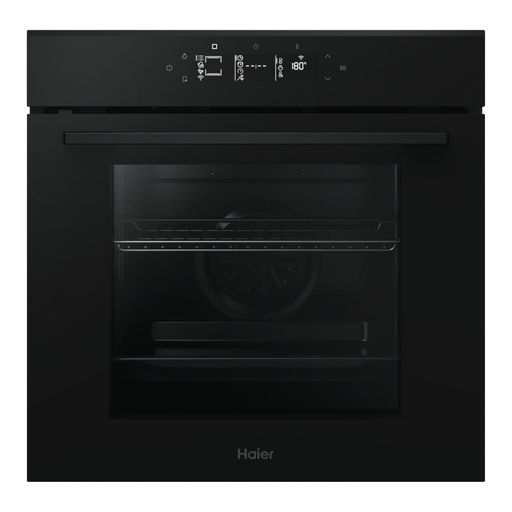 No image available
A 70 L single-oven option to assess for turnover batches. Confirm the usable shelf and tray arrangement, installation requirements and exact model manual before relying on its cooking or cleaning settings.
 No image available
The double-oven format is worth considering when buffet dishes need separate cooking space. Its 90 cm format calls for a suitable housing; check the full installation drawing, electrical requirements and each cavity’s baking functions.
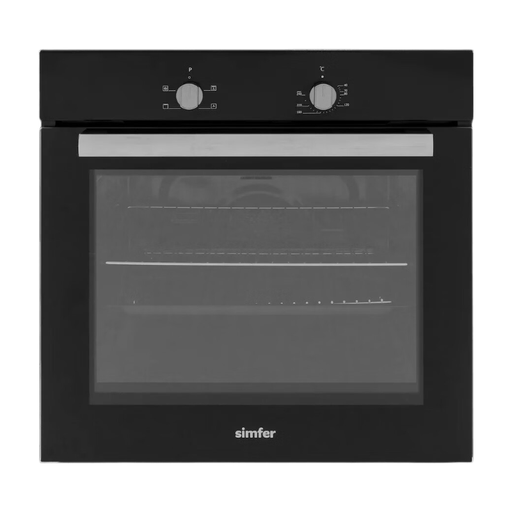 No image available
A single fan oven to consider if one cavity fits your buffet schedule. Check its model-specific multi-level instructions and usable tray sizes rather than assuming the fan setting alone establishes batch capacity; also confirm housing and connection requirements.
A built-in single oven can suit an occasional home buffet if its usable shelves accommodate your trays and the model supports the multi-level cooking you need. Bosch and NEFF describe baking on up to three levels for the cited models, while Hotpoint states up to four for its cited model; those manufacturer claims do not establish practical turnover capacity or identical browning.
Follow the exact oven’s installation instructions rather than assuming it can use the existing connection. The cited Bosch and NEFF models specify electrical connection by an electrician, and Smeg advises qualified personnel for installation and wiring changes.
Measure the housing height, width and depth, then compare them with the chosen model’s installation drawing and ventilation requirements. For context, NEFF lists its B1DCC0AK3B single oven at 595 mm high and its U1DCC0AK3B double oven at 888 mm high, so a double oven is not necessarily a direct replacement for a single oven.
Treat them as secondary to usable tray space, suitable cooking modes and fitting the oven correctly. Bosch promotes added steam on its cited model, while Hotpoint lists an air-fry feature and tray on its cited model; neither feature alone establishes better results for your turnover recipe.
Check the exact model documentation, seller information and installation instructions for the oven supplied to your location. GOV.UK’s Great Britain guidance says the Electrical Equipment (Safety) Regulations 2016 set requirements before electrical equipment is placed on the GB market; its guidance notes different treatment for Northern Ireland.