Regular lunchbox batch bakers
If you make pastry twists often, tray space and the oven's stated baking functions matter more than extra features you rarely use. Check how many shelf levels the chosen programme supports.


For lunchbox pastry twists, start with an electric fan oven if its shelf layout holds your usual batch and its installation requirements suit your kitchen. Consider a multi-shelf hot-air model for regular several-tray bakes, or a double oven if you often need a separate cavity for another dish. Cleaning features can make upkeep easier, but they do not replace checks on fit and electrical connection.
If you make pastry twists often, tray space and the oven's stated baking functions matter more than extra features you rarely use. Check how many shelf levels the chosen programme supports.
When an oven must go into an existing housing, compare the model's installation instructions with the available space and electrical connection before deciding on capacity or cleaning features.
If frequent pastry baking makes cleaning a priority, compare how each model's cleaning system works and what wiping or preparation it still requires.
Electric ovens are described as offering steady cooking suited to baking. A single fan oven is a starting point for one-cavity cooking; look at a model's multi-shelf function if you regularly fill several trays, or consider two cavities if you often bake pastry alongside another dish.
| Concern | What to check | Who this matters to |
|---|---|---|
| Even baking | Check the fan or hot-air programme and the number of shelf levels the manufacturer specifies for it. | When I bake several trays of pastry twists, I want to know which shelf positions the chosen mode supports. Around 36% of consumers put consistent baking across trays first. |
| Fit and connection | Compare the installation instructions with your housing and confirm the rated load and required connection. | Replacing an oven in a fixed space means I need it to fit and connect safely before considering extras. For around 29% of consumers, fit and electrical compatibility are the primary concern. |
| Batch capacity | Check the tray and shelf layout; consider a second cavity if you regularly cook another dish at the same time. | My usual pastry batch must fit without taking space needed for the rest of a meal. Capacity is the main concern for around 21% of consumers. |
| Cleaning | Identify the cleaning system and check which parts must be removed or wiped after use. | Frequent buttery or sugary bakes make the work after cooking part of my decision. Around 14% of consumers place cleanup first. |
An appliance's external dimensions alone may not tell you what space its installation requires.
Measure the housing and compare it with the exact model's installation instructions, including any required clearances.
Ovens can have different power and connection requirements. Electrical Safety First advises checking power requirements to avoid overloading the wiring.
Read the selected model's connection instructions and arrange an assessment by a qualified electrician where needed.
Hot-air and multi-level claims apply to particular systems and programmes; they are not a guarantee of identical browning on every pastry tray.
Check the model's stated shelf capability, then follow its manual and your recipe when setting tray positions and timing.
Steam-assisted cleaning softens residue for wiping, while a pyrolytic programme involves a high-temperature cycle and preparation.
Check the chosen oven's instructions for removable parts, cycle preparation and routine cleaning.
A reference for comparing built-in ovens with named hot-air systems and, on selected models, pyrolytic cleaning.
A reference for built-in models with multi-level hot-air functions and model-dependent door or cleaning features.
A reference for electric built-in fan ovens and cleaning assistance on applicable models.
These ovens cover single electric, built-under and gas options for lunchbox pastry baking, including a model with pyrolytic cleaning. Choose between them by your usual batch, available housing and suitable connection—not by assuming every oven offers the same multi-tray results.
 No image available
For lunchbox batches in one built-in cavity, check the selected baking programme and usable shelf arrangement if you plan to use several trays. Confirm the housing fit and electrical connection before purchase.
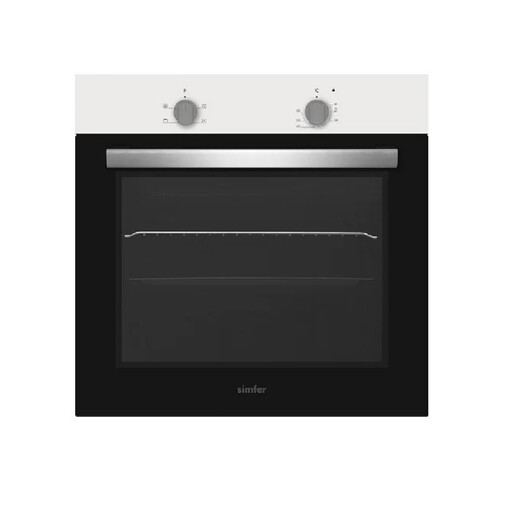 No image available
Consider this single-cavity oven when your usual pastry batch does not call for a separate oven space. Check the model's fan-mode instructions if you intend to bake more than one tray, and confirm the required housing dimensions.
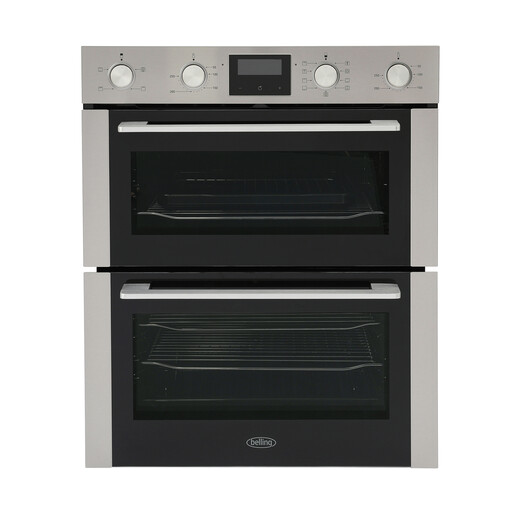 No image available
If you bake pastry while preparing another dish, check whether this oven's cavity arrangement suits both tasks. Compare its installation instructions with your under-counter housing and electrical connection.
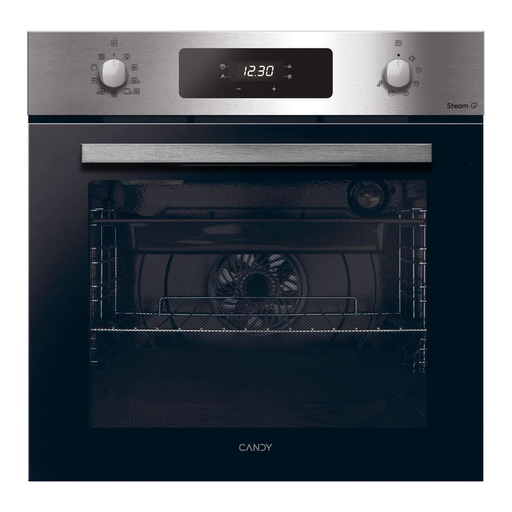 No image available
For frequent pastry baking where cleaning matters, weigh the pyrolytic function against the preparation it requires. Follow the model's instructions for removing accessories before a cycle, and check its housing and electrical requirements.
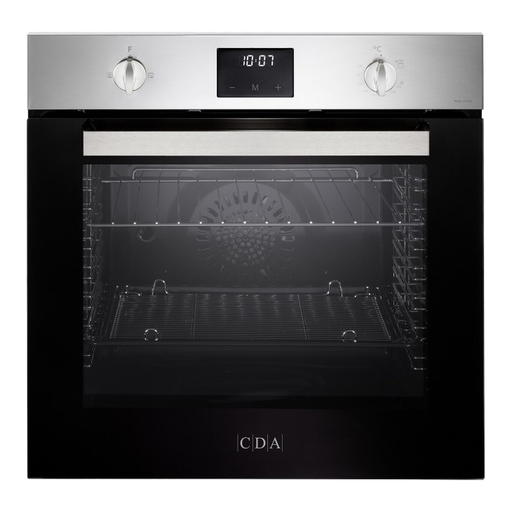 No image available
Consider this gas option only if its required configuration suits your supply and installation. Its stated capacity is 70L; check the model instructions for pastry tray positions, housing clearances and connection requirements, and use a suitably qualified installer.
Yes, if even baking is your priority and the oven fits your kitchen: Electric ovens are described as offering steady cooking suited to baking. A fan or hot-air function does not guarantee identical browning on every tray, so check the selected model's shelf guidance and follow your recipe.
Not usually for an occasional or modest batch. A single good-sized oven for everyday cooking is distinguished from multiple cavities for people who often cook for larger groups; check whether your usual trays fit a single oven before choosing a second cavity.
Check the exact model's housing requirements, installation instructions, rated load and connection type. Electrical Safety First advises reviewing power requirements to avoid overloading wiring; ask a qualified electrician to assess the connection where needed.
No. Beko describes SimplySteam as softening baked-on residue for wiping, whereas Bosch describes pyrolytic cleaning as a high-heat cycle that reduces residue to dust. Check the chosen model's instructions for preparation, removable parts and cleaning afterwards.