What to check before choosing
Decide whether one cavity gives you enough tray space, then check baking controls and kitchen compatibility on the exact model.
| Concern |
What to check |
Who this matters to |
| Fan setting and consistent heat |
Look for a fan or hot-air mode that lets you follow a fan-oven recipe. Compare independent assessments of heat distribution and temperature accuracy where available. |
If I bake the same cookies regularly, I want to use the recipe’s fan setting without guessing how the next batch will brown. Around 42% of consumers put repeatable fan baking first. |
| Tray space and batch flexibility |
Check usable cavity and tray dimensions, shelf positions and any model-specific multi-level cooking claim; consider a second cavity if you cook another dish simultaneously. |
When several trays or another dish need oven time, I want enough usable space to plan the batches. For around 33% of consumers, capacity is the primary concern. |
| Fit, connection and upkeep |
Compare the cabinet opening with the installation drawing and check the required electrical connection. Review the energy information and cleaning system separately from baking performance. |
If I am replacing a built-in oven, it needs to fit the cabinet and electrical arrangement before cleaning features influence my choice. Roughly 25% of consumers prioritise this practical fit and upkeep. |
Joybuy ovens for these needs
These built-in single and double ovens offer starting points for routine cookie baking or cooking across more than one cavity. Choose by your tray and installation requirements, not by assuming that a cooking-mode name confirms even browning.
 No image available
BOSCH Series 4 MBA533BB3B electric double oven, black
Consider a double oven if you regularly need a separate space for another dish while baking cookies. For several trays, check the usable main-oven shelves and how the stated 3D Hotair mode applies to this model.
Check the required housing opening and electrical supply against the installation instructions. Seek model-specific temperature-accuracy evidence if repeatable browning is a priority.
View on Joybuy
 No image available
Belling BEL BI903MFC 90cm double multifunction oven, black/stainless steel
The double-oven format is worth considering when cookie baking and another dish regularly overlap. Check that the usable shelves and trays suit your batch sizes rather than relying on the oven’s external 90cm description.
Compare the installation drawing and electrical requirements with your kitchen. For baking consistency, look for independent results for this exact model.
View on Joybuy
 No image available
Bosch HHF113BA0B Series 2 built-in single electric oven, black
A single cavity may suit routine cookie batches when you do not need a separate space for another dish. If you plan to bake on several shelves, check the stated 3D Hotair capability against your tray sizes and the model’s usable shelf positions.
Confirm the cabinet opening and electrical suitability before ordering. A multi-level cooking claim is not, by itself, evidence of even cookie browning.
View on Joybuy
 No image available
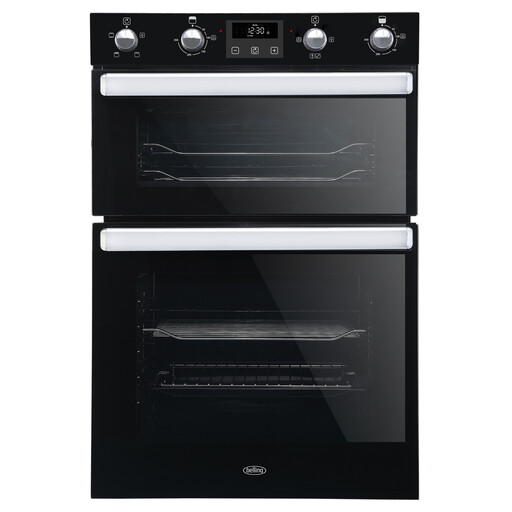
Belling BEL BI902FP built-in double electric oven, black
The separate cavities may help when cookies and another dish need oven time together. Check the main cavity’s usable tray space and cooking settings against the recipes you make.
Confirm the housing dimensions and electrical connection with the installation instructions before choosing this built-in model.
View on Joybuy
 No image available
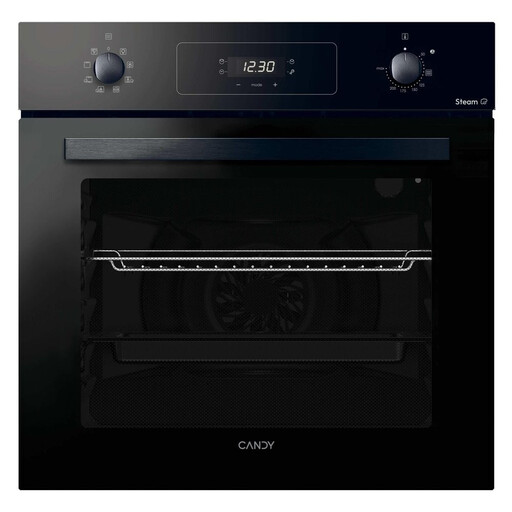
Candy FIDCN605 65L built-in single electric oven, black
This single-cavity option is relevant if routine cookie batches matter more to you than cooking in two separate cavities. Check its fan-assisted setting and whether the supplied trays and usable space fit your recipe.
The installation arrangement needs checking: confirm the required connection and kitchen fit with a qualified installer before ordering.
View on Joybuy
Frequently asked questions
What oven setting should I look for when baking peanut butter cookies?
Look for a fan setting if you want to follow a fan-oven recipe. Good Food’s peanut butter cookie recipe specifies 160°C fan or 180°C conventional heat and uses two large parchment-lined trays; follow the instructions and doneness cues for the particular recipe you make.
Do I need a double oven for peanut butter cookies?
No, a single oven can suit ordinary batches when its settings and tray space meet your needs. A double oven becomes more relevant if you regularly bake cookies while another dish needs a separate cavity; check the exact model’s usable space before deciding.
Can I assume a built-in oven plugs into a normal socket?
No. Electrical Safety First says some ovens have a standard plug and fuse, while others require hardwiring into a dedicated circuit. Check the model’s installation instructions and electrical requirements, and use a qualified electrician where appropriate.
What does an oven’s energy label tell me about cookie baking?
An energy label provides information for comparing energy use, not evidence of even cookie browning. GOV.UK says products within the relevant energy-labelling scope must display an accurate label at the point of sale, including on websites; assess temperature control and heat distribution separately.
Is pyrolytic cleaning necessary for baking cookies?
No, pyrolytic cleaning is a maintenance feature rather than a cookie-baking requirement. AEG lists it on the OU5PB40PK; decide whether that cleaning method matters to you after checking the oven’s cooking functions, fit and connection requirements.


