Batch-focused bake-sale organisers
If several trays must be ready within a limited baking session, usable shelf space and the ability to keep batches moving matter more than stated capacity alone.


For repeated batches of puff pastry parcels, prioritise even heat and enough usable shelf space for your trays before choosing extra cooking programmes. A single fan oven may suit batches of similar parcels; a double oven is worth considering if you also need a separate cavity for other food or staggered cooking. Check the housing, tray fit and electrical requirements of the exact model before ordering.
If several trays must be ready within a limited baking session, usable shelf space and the ability to keep batches moving matter more than stated capacity alone.
If pale and over-browned parcels in the same batch are your main concern, look closely at heat distribution. Which? identifies even heat as important for consistent baking results.
If the new oven must go into an existing kitchen, check its cabinet requirements and electrical connection before comparing baking features. Electrical Safety First advises having ovens fitted by a qualified electrician.
Decide whether one cavity can handle your baking schedule or whether separate cooking spaces would be useful. Then compare tray fit, baking settings and installation requirements on the exact models you are considering.
Consider it when: You will mainly bake similar parcels in repeated batches and have space for a single-oven housing.
Trade-off: All cooking shares one cavity, even if the model specifies multi-level hot-air cooking.
Consider it when: Separate cavities would help you prepare other food while pastry batches are under way.
Trade-off: The required housing and electrical connection depend on the particular double oven; a standard single-oven space is not enough to establish fit.
| Concern | What to check | Who this matters to |
|---|---|---|
| Batch space | Compare your baking sheets with usable tray dimensions and shelf spacing; check whether the model specifies multi-level cooking. | If I have many parcels to prepare, I need trays to fit and batches to keep moving. Roughly 36% of consumers would put batch throughput first. |
| Even baking | Look for independent evidence on heat distribution and temperature accuracy where available; confirm the settings required by your pastry recipe. | When consistent lift and colour matter most to me, I want to avoid one tray browning much faster than another. Around 29% of consumers would prioritise baking consistency. |
| Kitchen fit | Check the cabinet opening, installation instructions, connection method and electrical loading for the exact model. | If I am replacing an oven, it needs to suit my kitchen and electrical arrangement before its features are useful. Approximately 21% of consumers would make installation compatibility their primary concern. |
| Cleaning and other uses | Check which cleaning system is fitted and how it operates; consider steam functions against your wider baking routine. | After a busy baking day, easier cleaning matters to me, or I may want functions for other recipes. For about 14% of consumers, maintenance and wider use would come first. |
Cavity volume does not tell you whether your baking sheets fit or leave enough space between shelves.
Measure your trays and cabinet opening, then compare them with the model’s shelf layout and installation drawing.
A stated hot-air function describes how an oven operates, not how evenly a particular model bakes in practice. Which? identifies heat distribution as important for consistent results.
Consult independent heat-distribution and temperature-accuracy testing where available, alongside the model’s stated cooking functions.
Connection methods differ by model, and the appliance must suit the existing electrical installation.
Check the exact installation instructions and electrical loading, and discuss the required work with a qualified installer.
Installation may require electrical work beyond placing the oven in its housing.
Cleaning and steam functions do not replace the pastry preparation or preheating called for by your recipe.
Follow the pastry instructions for preparation and oven temperature; choose extra functions for the other cooking and cleaning tasks you will actually use.
The BBXIF243 is a reference point for a 60 cm single fan oven with stated capacity and a cleaning feature.
The HHF113BR0B illustrates a built-in single oven with a stated multi-level hot-air function.
The U1ACE2AG3B is relevant if separate cavities would help with bake-sale preparation.
The GA5PB50FAB is relevant to buyers who also want steam-assisted baking and pyrolytic cleaning for wider use.
These built-in single and double ovens offer different ways to plan parcel batches. Compare each model’s usable tray space and installation requirements before choosing between one cavity and two.
 No image available
Consider this double-oven format if a separate cavity would help you prepare other food alongside pastry batches.
The product name specifies a 90 cm built-in multifunction model. Confirm the cabinet opening, tray space and electrical requirements against its installation instructions.
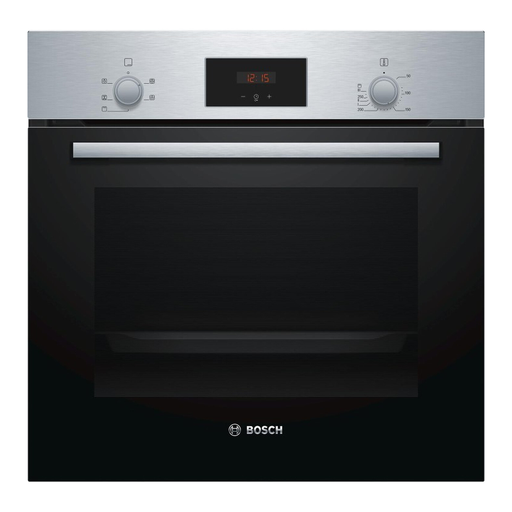 No image available
Consider a single cavity if you plan to bake similar parcels in successive batches; Bosch Home UK specifies 3D Hotair for up to three levels on this model.
Check usable tray and shelf dimensions. Confirm the electrical connection against the instructions for the exact appliance before arranging installation.
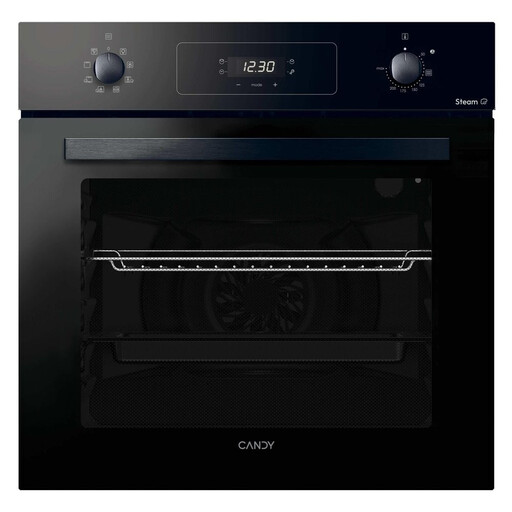 No image available
This single-cavity option is worth considering when your baking plan does not call for a separate oven zone.
The product name states a 65 L capacity. Check tray fit, available cooking settings and the required electrical connection before ordering.
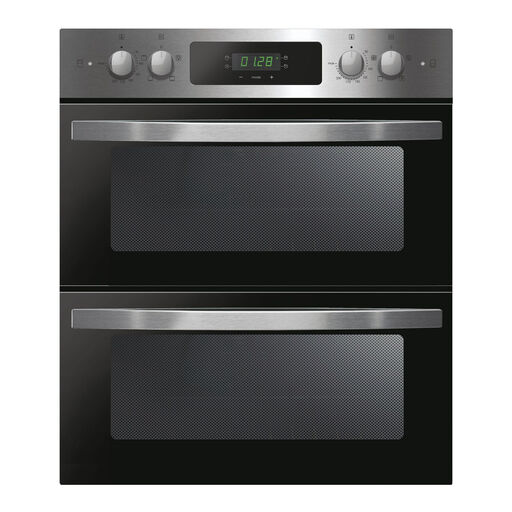 No image available
A built-under double oven may suit a baking schedule that needs separate cavities for parcels and other food.
Confirm each cavity’s cooking functions and usable tray space, as well as the cabinet dimensions and electrical connection.
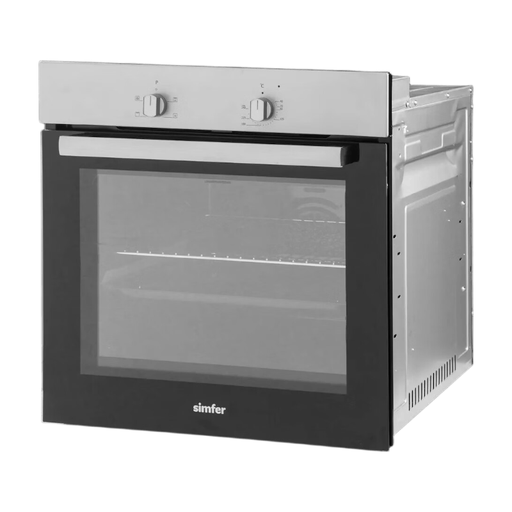 No image available
This single fan oven is an option when one cavity suits the number of parcel batches you plan to make.
Check the installation drawing against your cabinet, and confirm usable tray space and the temperature settings required by your recipe.
Choose an oven with the setting required by your pastry pack or recipe. For example, Jus-Rol’s roasted-vegetable puff-parcel recipe calls for preheating to 220 °C in a conventional oven or 200 °C in a fan-assisted oven; those temperatures are specific to that recipe.
A single fan oven can be enough if your trays fit and its usable shelves support your batch plan. Consider a double oven when a separate cavity would let you cook other food or stagger cooking at different settings; check its housing requirements before ordering.
Check the exact oven’s installation instructions and arrange the electrical work they require. Electrical Safety First advises having ovens fitted by a qualified electrician; GOV.UK’s Approved Document P addresses electrical safety in dwellings in England, so check the requirements applicable to your location and planned work.
Follow the pastry recipe’s preparation and preheating instructions, and pay attention to how evenly the oven distributes heat. Which? identifies even heat distribution as important for consistent baking; a fan-function label alone does not establish how a particular oven performs.
Neither function is a prerequisite for following a puff-parcel recipe that specifies a conventional or fan oven. Consider steam baking for other recipes you regularly make and pyrolytic cleaning for your maintenance routine, while checking the model’s ordinary baking settings, fit and electrical requirements first.