Everyday lunchbox bakers
If you want one oven for a pear galette, tray bakes and weekday meals, a single fan oven is a starting point. Confirm that its cavity takes your chosen tray and that the appliance fits the intended installation space.


For one pear galette and routine lunchbox baking, start with a single built-in fan oven if you have suitable integrated space and can confirm that your tray fits. A double oven is worth considering when you regularly cook another dish at the same time; a countertop oven is an alternative when you do not need an integrated appliance. Whichever format you choose, check the usable tray space, installation dimensions and electrical instructions for the exact model.
If you want one oven for a pear galette, tray bakes and weekday meals, a single fan oven is a starting point. Confirm that its cavity takes your chosen tray and that the appliance fits the intended installation space.
If pastry often needs to bake while another dish cooks separately, the second cavity of a double oven may help you organise those meals. Check each cavity’s size and cooking modes rather than assuming they are identical.
A countertop multifunction oven avoids the need for an oven cabinet. Before choosing one for galettes, compare your tray with its usable internal space and follow the manufacturer’s placement and electrical instructions.
Choose the oven format around your kitchen space and whether you need to cook dishes separately. Then check the tray, cooking modes and installation requirements of the exact model.
Choose when: You have space for an integrated oven and mainly bake one galette or tray of lunchbox food at a time.
Trade-off: One cavity cannot cook a second dish independently at another temperature.
Choose when: You regularly want pastry baking in one cavity while another dish cooks in the other.
Trade-off: The additional cavity requires a suitable, taller installation space; it adds little to a routine centred on one galette.
Choose when: You want a separate worktop appliance rather than an integrated oven.
Trade-off: A Bake setting alone does not establish that your galette tray fits or that you have the required worktop clearance.
| Concern | What to check | Who this matters to |
|---|---|---|
| Pastry baking and tray space | Compare your galette tray with usable cavity and supplied-tray dimensions; check the stated cooking modes and shelf positions. | If I bake galettes regularly, I need room for my chosen tray and a cooking mode I can use consistently. Roughly 37% of consumers put pastry baking and tray fit first. |
| Cabinet fit and electrical connection | Measure the cabinet opening and consult the model’s installation instructions; establish its connection requirements before arranging installation. | When replacing an integrated oven, I need the new appliance to fit the existing space and electrical setup. For roughly 27% of consumers, installation compatibility is the primary concern. |
| Separate cooking capacity | Compare the sizes and cooking modes of both cavities, as well as the space required for a double oven. | If I prepare lunchbox bakes alongside another dish, separate cooking spaces matter more to me than they would for one galette. Around 18% of consumers prioritise that two-dish flexibility. |
| Countertop flexibility | Check internal tray fit and the manufacturer’s worktop-clearance and electrical instructions. | Without a suitable integrated-oven space, I need a worktop option that accommodates the galette I plan to make. That non-integrated option comes first for roughly 18% of consumers. |
Neither figure tells you whether your galette tray fits inside or whether the appliance fits the cabinet opening. A single oven and a double oven can have substantially different installation requirements.
Measure the niche against the manufacturer’s installation drawing, then check the usable tray space separately.
A second cavity helps when you need to cook dishes separately, but one pear galette does not require two cavities.
Consider a double oven for a regular two-dish routine; otherwise, compare suitable single ovens first.
Connection requirements depend on the model and your existing supply. For example, NEFF specifies electrician connection and no plug for its B1DCC0AK3B single oven.
Read the installation instructions before ordering and have the planned connection assessed by a registered electrician where installation work is required.
A countertop oven can offer Bake while its usable tray space or required worktop clearance remains unsuitable for your planned galette.
Measure the intended tray and compare it with the exact model’s internal dimensions, accessories and placement instructions.
Relevant if you are comparing built-in ovens for regular baking. NEFF’s B1DCC0AK3B is a single-oven example, while the brand also offers double-oven formats.
Relevant if lunchbox baking is part of a routine that calls for two built-in cooking cavities.
Relevant if you prefer a countertop appliance to a permanent integrated installation.
These built-in single and double ovens are relevant if you have, or plan to make, suitable integrated-oven space. For any of them, compare your galette tray with the usable cavity dimensions and check the exact installation instructions before choosing.
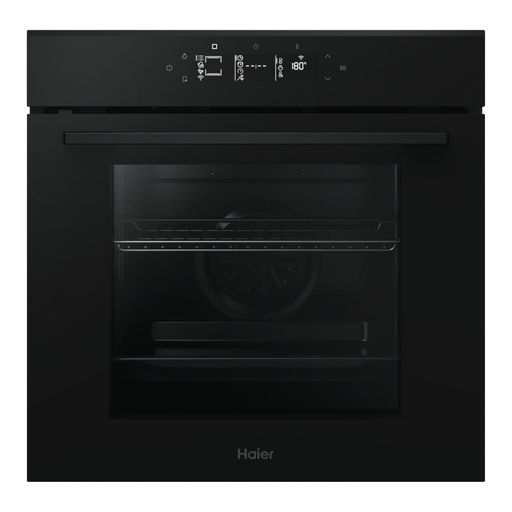 No image available
Consider this built-in electric oven for a kitchen where one integrated appliance will handle galettes and everyday cooking.
The product name states a 70 L capacity and A+ rating; capacity alone does not establish that your galette tray fits. Check the usable cavity space and the model’s electrical installation instructions.
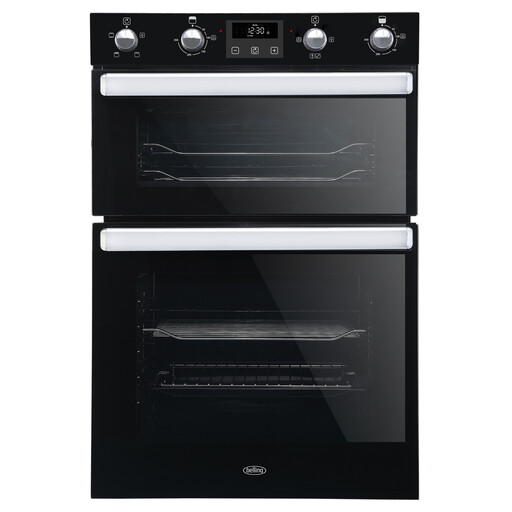 No image available
Consider the double-oven format if a galette bake regularly overlaps with another dish that needs a separate cooking space.
The product name states an A rating. Confirm the usable space and cooking modes of each cavity, the cabinet opening and the electrical connection requirements for this model.
 No image available
This double-oven format is relevant when lunchbox pastry and another dish need separate cooking spaces.
The product name identifies a 90 cm double multifunction oven with an A rating. Check the exact cabinet cut-out and usable galette-tray space; the installation information calls for a hardwired connection.
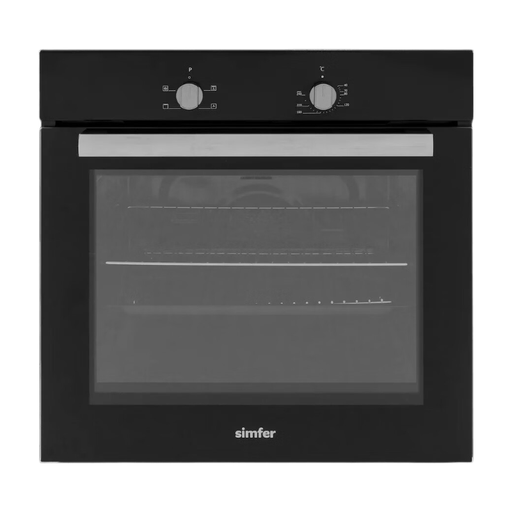 No image available
The single-oven format suits an integrated kitchen where you generally bake one galette or tray of lunchbox food at a time.
Its product name identifies an electric fan oven. Confirm the appliance and cabinet cut-out dimensions separately, and check that the intended baking tray fits inside.
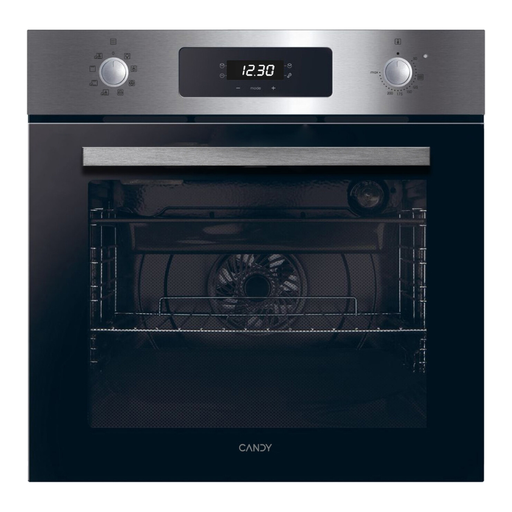 No image available
Consider this built-in electric oven if you need a single integrated appliance for galettes and everyday meals.
The product name states a 70 L capacity and A+ rating. If fan or hot-air cooking matters to your recipe, check the exact cooking-mode list; also compare your tray with the usable cavity space and review the installation instructions.
No. Choose an oven with a cooking mode appropriate for your recipe and enough usable space for its tray. A specified fan or hot-air mode may be useful for your wider baking routine, but its presence does not establish tray fit or the results of a particular recipe.
A double oven is worth considering if you regularly bake pastry while cooking another dish separately; it is not needed just to bake one galette. Check the size and functions of both cavities and whether the taller appliance fits your kitchen.
Do not assume that you can: the answer depends on the model and your existing electrical setup. NEFF specifies no plug and electrician connection for its B1DCC0AK3B, while Electrical Safety First strongly recommends a registered electrician for installation or repair work. Follow the exact appliance instructions and have the planned connection assessed before ordering.
Only if its usable internal space accommodates your chosen tray or free-form galette. Measure what you intend to bake and compare it with the exact oven’s internal and supplied-tray dimensions; a Bake function by itself does not establish fit.