For regular jam-biscuit baking, start with a single electric oven whose fan setting, timer and usable space suit your recipes and trays. A double oven makes more sense if you regularly need a separate cavity for other food; consider gas if it suits your kitchen setup and you can arrange the required installation. Whichever route you take, check fit and temperature control rather than judging baking performance by the number of modes.
Who this is for
Weekend jam-biscuit bakers
If you usually make one or two trays, focus on a setting that matches your recipe, controls you can read easily and a timer for the short bake. Good Food’s thumbprint-cookie recipe, for example, specifies 180°C fan for 12–15 minutes.
Batch bakers with busy kitchens
If several trays or another dish need oven space, usable shelf positions and the choice between one large cavity and two separate cavities become important.
Frequent bakers planning a kitchen upgrade
If the oven sees regular use, weigh cleaning effort and accessible controls alongside the baking settings. Check installation requirements before committing to a built-in model.
What matters when choosing
Single electric fan oven
Choose when: You normally bake one type of food at a time and want a fan setting for recipes such as Good Food’s 180°C fan thumbprint cookies.
Trade-off: One cavity cannot provide a separate temperature zone for another dish.
Electric double oven
Choose when: You regularly need biscuits and other food cooking separately.
Trade-off: A built-in double oven needs a cabinet opening suited to its taller format.
Gas oven
Choose when: You specifically prefer gas and your kitchen can accommodate the appliance.
Trade-off: Gas work requires an appropriately qualified Gas Safe registered engineer; check the proposed model and installation before ordering.
| Concern |
What to check |
Who this matters to |
| Even baking and temperature control |
Look for a setting that matches your recipe, clear temperature controls and independent accuracy or heat-distribution results where available. |
For a short biscuit bake, I want the oven to hold the chosen setting without noticeably uneven results. Around 33% of consumers put baking consistency first. |
| Capacity and separate cooking |
Check usable shelf space against your trays, and decide whether you need a second cavity rather than one larger oven. |
When I bake several trays or prepare another dish, I need enough usable space without changing the biscuit bake to suit the other food. For around 27% of consumers, capacity or a separate cooking zone is the primary concern. |
| Cleaning effort |
Check the model’s cleaning system and its instructions for shelves and accessories. |
After frequent baking, I want cleaning to take less hands-on effort. That is the leading concern for around 20% of consumers. |
| Fit and installation |
Compare the cabinet opening and appliance instructions with the connection type, rated load and energy information. |
If I am replacing a built-in oven, it needs to fit the cabinet and suit the kitchen supply before its extra features matter. Around 20% of consumers prioritise those ownership checks. |
Buying pitfalls
-
Assuming every fan oven bakes the same way
A fan setting is useful for a fan-temperature recipe, but its presence alone does not establish temperature accuracy or even heat distribution. Which? assesses oven control accuracy at different locations and settings.
Check independent temperature and heat-distribution results where available, rather than choosing by the number of cooking programmes.
-
Choosing a cavity layout without checking your trays
A second cavity helps when you need separate cooking, but may add little to a routine one-tray bake. A single cavity still needs enough usable space for the batches you make.
Measure your usual trays and cabinet opening, then compare usable shelves and cavity layout with your cooking routine.
-
Leaving connection checks until installation day
Built-in ovens can differ in electrical load and connection requirements; NEFF and Bosch specify electrician connection for the cited B54CR71N0B and MBA533BB3B models.
Read the exact model’s installation instructions and have the kitchen supply assessed by a suitably qualified professional where required.
Required electrical or cabinet work can add an installation task before the oven is usable.
-
Treating self-cleaning as a baking-performance feature
Pyrolytic cleaning addresses residue, not whether an oven holds the selected baking temperature or fits your trays.
Consider cleaning convenience separately from cooking settings, fit and installation requirements.
Brands to consider for these oven types
AEG
AEG’s BPX535061M is a built-in single-oven example for buyers considering fan baking and pyrolytic cleaning.
- AEG lists a 72-litre cavity, true fan and multilevel cooking for this model.
- Check its stated cabinet dimensions and 3490 W total electrical load against your kitchen before purchase.
NEFF
The B54CR71N0B is a built-in single oven with a retracting Slide & Hide door.
- NEFF lists Circo Therm cooking on up to three levels and pyrolytic plus hydrolytic cleaning for this model.
- NEFF specifies no plug and electrical connection by an electrician.
Bosch
Bosch’s MBA533BB3B is a built-in double-oven example for households considering separate cooking space.
- Bosch lists 3D Hotair for cooking on up to three levels in the main oven.
- Its double-oven format needs a suitable taller cabinet opening, and Bosch specifies electrician connection.
Miele
The H 2455 BP ACTIVE is a single-oven example for buyers considering a larger cavity and pyrolytic cleaning.
- Miele lists a 76-litre cavity, five shelf levels and timer functions for this model.
- Check the model’s dimensions and connection requirements; those features do not establish baking accuracy.
Joybuy product choices
These built-in electric ovens cover single-cavity baking and a double-cavity option for cooking separately. Compare the exact model’s tray space, settings and installation instructions with your kitchen before choosing.
 No image available
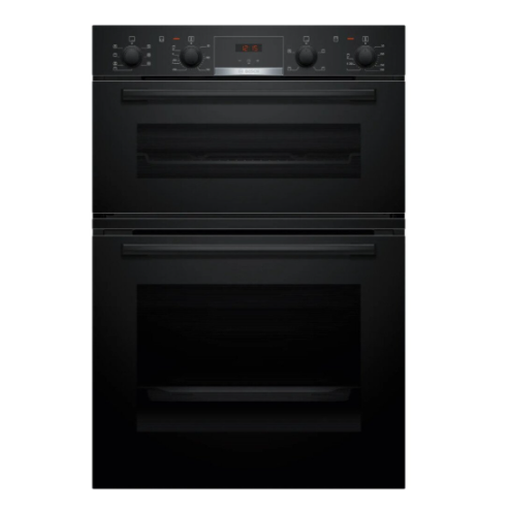
Bosch Series 4 MBA533BB3B electric double oven, black
Consider this built-in double oven if you regularly need a separate cavity alongside biscuit baking.
Joybuy lists a 71-litre main cavity and a 34-litre second cavity; Bosch lists 3D Hotair and a 50–275°C temperature range for the model. Check the cabinet opening and electrical connection requirements before ordering.
Joybuy
 No image available
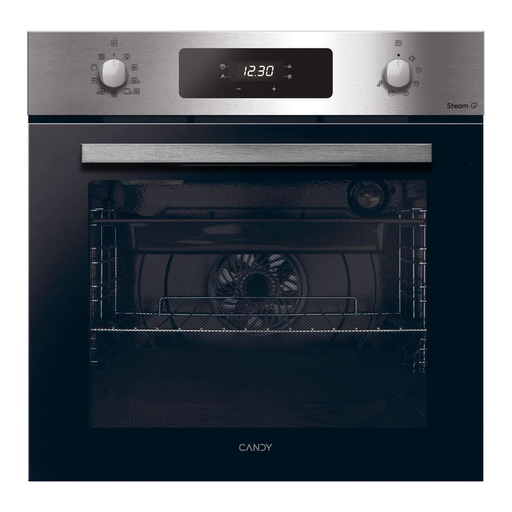
Candy F CM955XRL/CN pyrolytic single oven, stainless steel
Consider this built-in single oven if one cavity suits your baking and pyrolytic cleaning matters to you.
Confirm that its fan setting, timer, tray space and installation instructions meet your needs. Follow the model instructions for removing accessories before a cleaning cycle.
Joybuy
 No image available
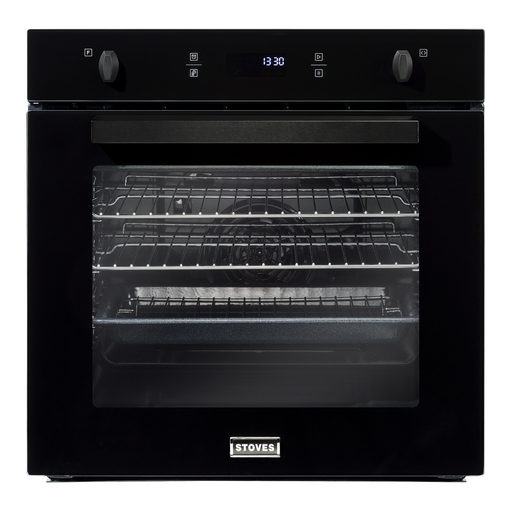
ST SEB602PY pyrolytic 60 cm single oven, black
This single-oven format may suit routine biscuit baking where a second cavity is unnecessary.
Confirm the manufacturer and exact model documentation before buying: the product descriptions give conflicting manufacturer names. Check usable tray space and installation requirements against that documentation.
Joybuy
 No image available
Bosch Series 2 HHF113BA0B electric single oven, black
If you normally bake one batch at a time, compare this built-in single oven with the space available for your trays.
Check that its controls include a timer suited to short bakes, and confirm the connection requirements before installation.
Joybuy
 No image available
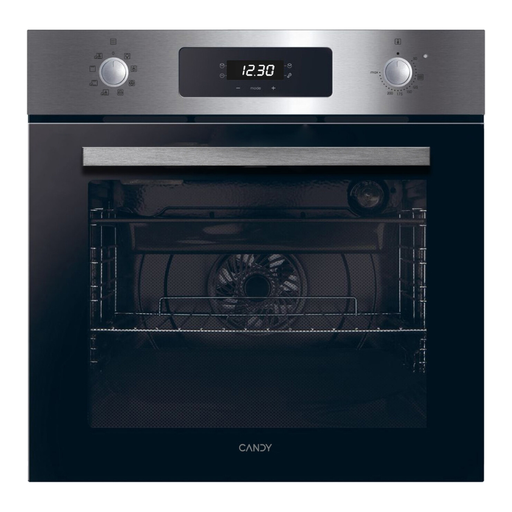
Candy F CM955NRL/CA Idea 70L single oven, stainless steel
Consider this built-in single oven if a 70L cavity fits the trays you normally use.
Check the model’s fan setting and temperature controls against your recipes, and confirm the cabinet and electrical requirements before ordering.
Joybuy
Common questions
What oven setting should I use for jam biscuits?
Follow the setting in your recipe. Good Food’s thumbprint-cookie recipe specifies 200°C conventional or 180°C fan for a 12–15 minute bake; check the timing and temperature for the particular biscuits you make.
Do I need a double oven to bake jam biscuits?
No: a single oven can suit routine biscuit baking if it accommodates your trays and has the settings you need. A second cavity becomes useful when you regularly cook another dish separately or need different cooking temperatures at the same time.
Can I install a built-in electric oven myself?
Do not assume the replacement uses the same connection as your current oven. Check the exact model’s rated load and installation instructions; NEFF and Bosch specify electrician connection for the B54CR71N0B and MBA533BB3B respectively.
What should I check before choosing a gas oven?
Check that the appliance suits your kitchen and arrange an appropriately qualified Gas Safe registered engineer for gas work. Gas Safe Register advises checking the engineer’s registration and qualifications for the work required.
Will pyrolytic cleaning improve biscuit baking?
No baking improvement follows from the cleaning feature itself. If easier oven cleaning matters to you, compare it alongside the model’s cooking settings, usable tray space and installation requirements.


