Regular biscuit bakers
If you often bake lemon biscuits or similar tray bakes, you need to judge how evenly an oven browns them. Which? notes that uneven heat can burn biscuit edges.


For lemon biscuits, prioritise evidence of stable temperature and even heat over a long list of cooking modes: Which? identifies uneven heat as a cause of burnt biscuit edges, and Good Food’s biscuit recipe has a short 10–12-minute bake. A built-in single oven is a starting point if one cavity meets your needs and fits your kitchen; consider a double oven when you need separate cooking cavities and have room for its installation.
If you often bake lemon biscuits or similar tray bakes, you need to judge how evenly an oven browns them. Which? notes that uneven heat can burn biscuit edges.
If you bake several trays in one session, look for evidence about cooking across shelf levels, or consider whether a second cavity would help you keep another dish separate. Bosch and Beko describe these as different oven layouts, but their feature claims are not independent baking-test results.
If you are replacing a built-in oven, check the measured housing, cavity layout and electrical connection before comparing convenience features. Installation requirements differ between the Bosch and Beko models described in their product information and the specification.
Start with baking consistency, then decide whether you need one cavity or two. Check the housing and electrical requirements before narrowing the choice by cleaning features.
| Concern | What to check | Who this matters to |
|---|---|---|
| Even browning and temperature | Look for independent evidence of heat distribution and temperature accuracy. Match the oven setting to the recipe’s fan or conventional temperature. | If I want pale-golden biscuits, I need the edges and centres to bake consistently during a short bake. Around 42% of consumers put that consistency first. |
| Batch capacity | Check usable shelf positions and evidence for multi-level cooking, or whether separate cavities suit simultaneous dishes. | When I bake several trays, I need enough usable space without assuming that every shelf will brown identically. For around 25% of consumers, batch flexibility is the main concern. |
| Installation fit | Compare the exact appliance and housing dimensions, then check the model’s electrical connection instructions. | If I am replacing an integrated oven, it has to fit the cabinet and suit the available electrical installation. That fit is the priority for around 17% of consumers. |
| Cleaning and energy information | Compare the stated cleaning system and the energy label for the exact model; neither establishes baking accuracy. | After frequent baking, I may care most about cleaning the cavity or comparing standardised energy information. Around 16% of consumers make those ownership checks their primary concern. |
Fan circulation alone does not establish temperature accuracy or even browning. Which? identifies heat distribution and temperature control as important parts of its oven testing.
Look for independent results for the exact model where available, then follow your biscuit recipe’s stated setting and check a first batch as it bakes.
The Beko BBXDF21000 double oven is 89 cm high, while the Bosch HQA574BB3B single oven is 595 mm high. An existing single-oven opening should not be assumed to fit a double oven.
Measure the full housing and check the installation sheet and electrical requirements for the model you intend to buy. The Beko BBXDF21000 is listed as requiring hard-wiring by an electrician.
Bosch describes multi-level heat circulation and Beko describes fan cooking, but those descriptions do not show how either oven browns biscuits against competing models in an independent test.
Use the manufacturer’s information to confirm the exact features, then assess independent temperature and browning results separately where available.
An energy label supplies energy information; it does not tell you whether biscuit trays will brown evenly or whether an oven holds its set temperature.
Compare energy information alongside baking-test evidence, usable space and installation fit rather than treating the label as a substitute for those checks.
These brands provide examples of different built-in oven layouts and features. Check the exact model rather than assuming a feature applies across a brand’s range.
Bosch’s Series 4 HQA574BB3B is a 60 cm built-in single-oven example for buyers considering multi-level hot-air cooking.
Beko’s BBXDF21000 illustrates the built-in double-oven route for a main fan cavity alongside a separate conventional cavity and grill.
AEG is another single-oven brand to compare: Which? lists the AEG 8000 TB8SB731AB and AEG 7000 MealAssist TE7PB731AT among its built-in ovens.
These built-in single and double ovens offer different ways to plan biscuit batches. Choose by the cavity layout you need, then check fit, electrical installation and baking performance for the exact model.
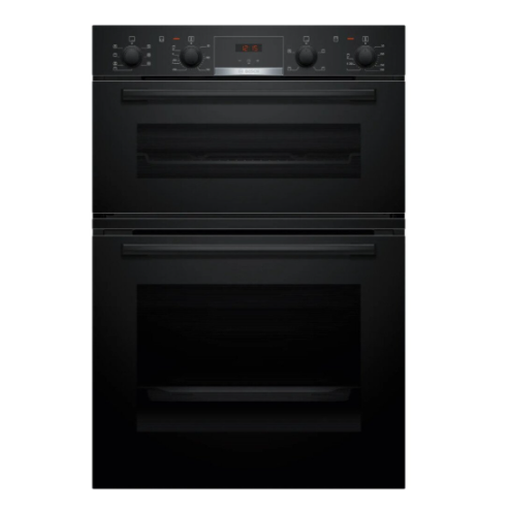 No image available
Consider this double-oven layout if you want a separate cavity available while baking biscuits. Check the housing and electrical requirements for this exact model, and seek independent baking results if even browning across shelves is decisive.
 No image available
The double-oven format is worth considering when biscuit baking needs to share a session with another dish. Its 90 cm designation makes cabinet fit an important check; confirm the electrical requirements and look for independent evidence of baking consistency.
 No image available
A single oven may suit biscuit batches when you do not need a separate cooking cavity. Check that this model fits the existing housing and electrical installation, and assess independent heat-distribution results if you intend to bake on several shelves.
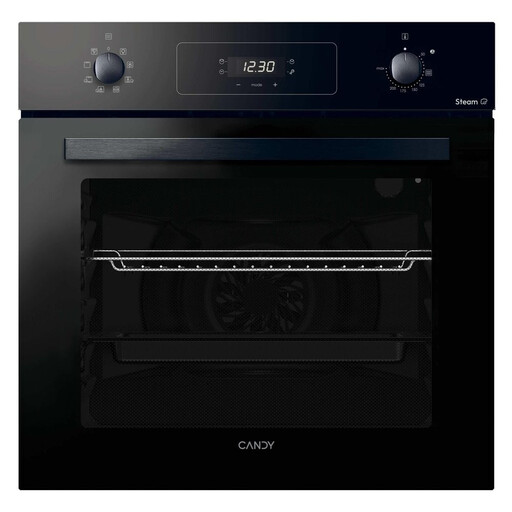 No image available
Consider this single-oven format if one cavity meets your baking needs and cleaning is also a consideration. The product name specifies a 65L cavity and A+ rating; check the exact fan settings, electrical installation and independent baking results before choosing it for lemon biscuits.
Follow your lemon-biscuit recipe’s fan setting. As a point of comparison, Good Food’s biscuit recipe specifies 160°C fan or 180°C conventional and a 10–12-minute bake until pale gold; adjust your checks to the recipe and how your oven actually bakes.
No: a fan setting alone does not establish even browning or temperature accuracy. Which? identifies heat distribution as important for avoiding burnt biscuit edges, so look for independent results for the model you are considering.
A double oven is useful when you need a separate cavity for another dish while baking biscuits in the main oven. It must also fit the kitchen: Beko’s BBXDF21000 is 89 cm high, so its housing requirements differ from those of a 60 cm single oven.
Yes, check the installation instructions for the exact built-in oven before ordering. Bosch specifies electrical connection by an electrician for the HQA574BB3B, and the Beko BBXDF21000 is listed as requiring hard-wiring by an electrician.
No. Cleaning features differ by model, and you still need to follow its manual. Bosch lists pyrolytic and hydrolytic cleaning for the HQA574BB3B, while Beko describes a steam-softening process and removable inner door glass for the BBXDF21000.