Occasional cake bakers
If you usually bake one cake at a time, focus on a cooking mode that suits your recipe and on cleaning up promptly for the next person. A second cavity need not drive the decision.


For one lemon drizzle cake at a time, start with a single oven that offers the cooking mode your recipe calls for, rather than buying extra capacity by default. Consider multi-level cooking or a second cavity if oven-time clashes are frequent. Before ordering a built-in model, confirm the housing dimensions, electrical connection and permission to replace fitted equipment.
If you usually bake one cake at a time, focus on a cooking mode that suits your recipe and on cleaning up promptly for the next person. A second cavity need not drive the decision.
If baking regularly overlaps with other residents’ meals or tray cooking, multi-level cooking or a second cavity may be worth considering, provided the appliance fits the kitchen.
Establish who can authorise a replacement and whether the installation is suitable before comparing cooking features. Electrical Safety First advises tenants not to undertake electrical repairs and to check that electrical work is carried out by a registered electrician.
For one cake, start with the recipe’s cooking mode; consider more cooking space when scheduling clashes recur, and check installation before committing to any built-in oven.
| Concern | What to check | Who this matters to |
|---|---|---|
| Repeatable cake baking | Check for the fan or conventional mode specified by your recipe, then follow its temperature, shelf-position and preheating instructions. | If I mainly bake one cake, I want a mode I can match to the recipe without paying attention to a long list of other functions; around 36% of consumers put consistent cake baking first. |
| Shared access | Note how often cooking times clash. For recurring overlaps, compare the exact model’s multi-level capability with the option of a second cavity. | When other residents need the oven during my baking time, avoiding those clashes becomes the deciding need; roughly 29% of consumers prioritise shared access and capacity. |
| Cleaning and handover | Check the exact model’s cleaning method and instructions, including how to deal with spills once the oven has cooled. | I need to leave the oven ready for the next person without a difficult clean-up after every bake; about 21% of consumers make cleaning and handover their primary concern. |
| Installation fit | Measure the housing and required clearances; confirm the electrical connection and obtain permission before changing fitted equipment. | In a shared property, I cannot choose an oven on cooking features alone if its installation has not been agreed and assessed; around 14% of consumers put installation and tenancy fit first. |
A plug-equipped oven and a model requiring an electrician present different installation questions. Electrical Safety First cautions that even a plug-in oven may need a separate circuit.
Check the exact model’s installation instructions and ask a qualified installer to assess the proposed connection before ordering.
If the existing connection is unsuitable, electrical work may need arranging before the oven can be installed.
A second cavity is useful only if residents regularly need separate cooking space. For a single cake, it does not replace the need for a suitable cooking mode or make installation checks less important.
Discuss actual oven-time clashes with the household, then compare the space and installation requirements of any larger appliance.
Manufacturers describe different cooking and cleaning systems for specific ovens. A feature shown on one model does not establish what another model in the range includes.
Check the exact variant’s cooking modes, cleaning instructions and installation guide rather than relying on a brand or range name.
Shared use makes safe supervision and a clear handover particularly important. Electrical Safety First advises against leaving food cooking unattended and recommends keeping flammable materials away from heat.
Agree who will clear trays and wipe spills after the oven has cooled, and stay nearby while baking.
Bosch offers built-in and other oven formats for kitchens where housing size and cooking mode are key considerations.
Neff is relevant if cooking on several levels is a recurring need in the shared kitchen.
Smeg’s oven guidance is useful when checking conventional cake settings, while its larger cooker formats call for a separate space and installation decision.
These built-in single ovens are choices to consider for baking in a shared kitchen. Compare their cooking modes with your recipe and confirm the installation arrangements for the exact model; this selection does not cover double ovens or larger range cookers.
 No image available
Consider this single-oven format if the household normally bakes one cake at a time. Check its cooking instructions against your recipe and have the proposed hardwired connection, housing and ventilation assessed before replacing a fitted oven.
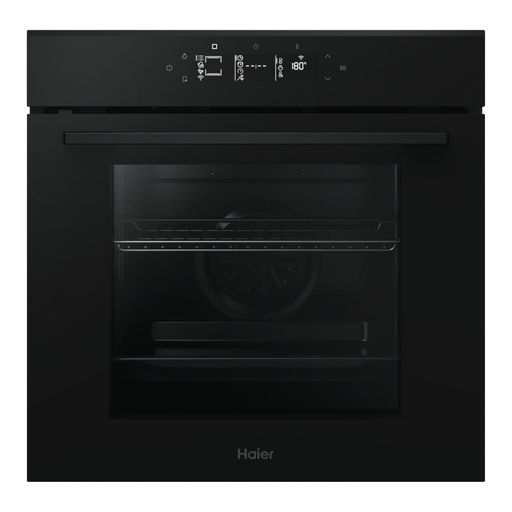 No image available
Consider this 70 L single oven if you want to compare cooking settings for both cake recipes and overlapping household use. Before ordering, ask an installer to check its hardwiring and dedicated-circuit requirements against the property, along with the housing and ventilation clearances. Check the exact manual if your recipes depend on the oven’s maximum temperature.
 No image available
Consider this 65 L single oven if you need to check a cake recipe against fan-assisted or conventional cooking settings. Confirm the required electrical connection with an installer, then check housing dimensions, ventilation and permission to replace the fitted appliance.
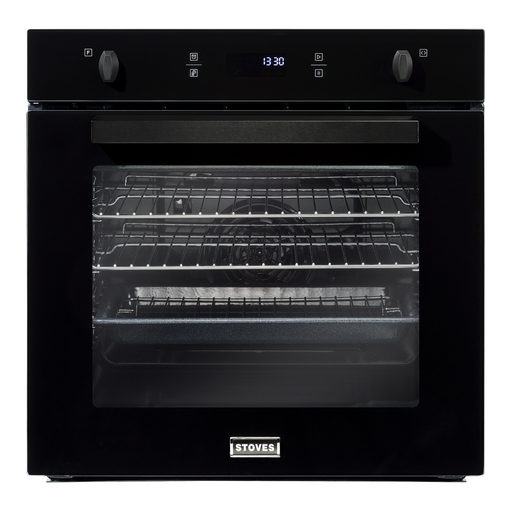 No image available
Consider this single oven if post-bake cleaning is an important part of handing the kitchen over. Its named pyrolytic function still requires you to follow the model’s instructions, including removing accessories and ventilating during cleaning. Check the installation cut-out, electrical connection and required clearances; the 60 cm description does not establish a fit.
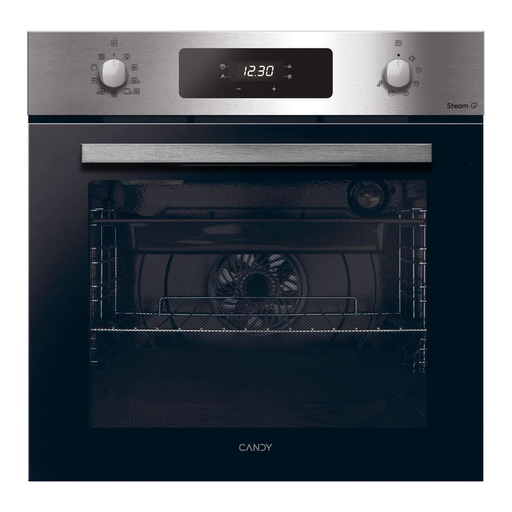 No image available
Consider this single oven if you want to assess both the recipe’s cooking mode and a pyrolytic cleaning routine for shared use. Follow the exact model’s instructions for removing accessories and ventilating during cleaning, and confirm its electrical connection, installation cut-out and required clearances before ordering.
No: use the cooking mode specified by your recipe. Fan cooking distributes heat, while Smeg’s oven guide also identifies conventional top-and-bottom heat as suitable for cakes. Check the exact oven’s modes and follow the recipe’s temperature and preheating instructions.
Do not assume you can: the connection and responsibilities depend on the exact oven and property. Electrical Safety First advises tenants not to carry out electrical repairs and to check that electrical work uses a registered electrician. Agree any replacement with the property owner and have the proposed installation assessed; requirements for particular electrical work also depend on where the property is.
Confirm who owns the existing appliance, who can authorise its replacement and who will arrange installation and removal. Check the housing and electrical arrangements with the property owner or manager before choosing a model; Electrical Safety First advises tenants to raise electrical problems with their landlord promptly.
Let the oven cool before wiping spills and agree who will leave it ready for the next user. Electrical Safety First advises cleaning only after the oven has cooled; if the model has an assisted cleaning programme, follow its own instructions rather than assuming every programme works alike.