What matters when choosing?
For a shared kitchen, settle who can use or change the oven before comparing formats. Then check the available space and power supply against the dish you intend to bake.
Existing or replacement built-in single oven
Consider it when: The current oven works for your dish, or an installed replacement is approved and the housing and connection can be matched.
Trade-off: A replacement stays in a fixed location and requires model-specific installation checks.
Compact built-in oven
Consider it when: An approved installed location has limited height and you usually bake smaller portions.
Trade-off: Beko describes a 40 L compact format, compared with 65–82 L across its single-oven range; check your dish against the chosen model’s cavity.
Countertop mini oven
Consider it when: The household permits an additional appliance and can give it clear worktop space and a suitable socket.
Trade-off: It takes up shared preparation space, and a smaller cavity may mean using a different dish or making smaller portions.
| Concern |
What to check |
Who this matters to |
| Permission and access |
Confirm who owns the existing cooker and agree any replacement, additional appliance and shared use. |
If I cannot count on kitchen access or approval to add an oven, choosing a format will not solve the problem. Around 36% of consumers put permission and access first. |
| Fit and power |
Check the installation aperture or worktop clearances, then the exact model’s connection requirements and available supply. |
When the available space and electrical connection are uncertain, I need to establish that an oven can be placed and connected appropriately. Fit and power come first for around 29% of consumers. |
| Dish space and cooking |
Compare your dish, including its handles, with the cavity and shelf dimensions; check the cooking functions you intend to use. |
I want to bake a full lentil cottage pie for housemates without discovering that the dish will not fit. Around 21% of consumers chiefly prioritise dish space and cooking. |
| Cleaning and handover |
Check the model’s cleaning features and agree who cleans the oven after each use. |
Once several people share an oven, I want cleaning and handover to be manageable after a main-meal bake. That is the primary concern for around 14% of consumers. |
Built-in ovens on Joybuy
These models are relevant if you have an approved location for an installed oven. They are not substitutes for checking the cabinet, connection and your lentil cottage-pie dish; a countertop or compact option may be more appropriate under different space arrangements.
 No image available
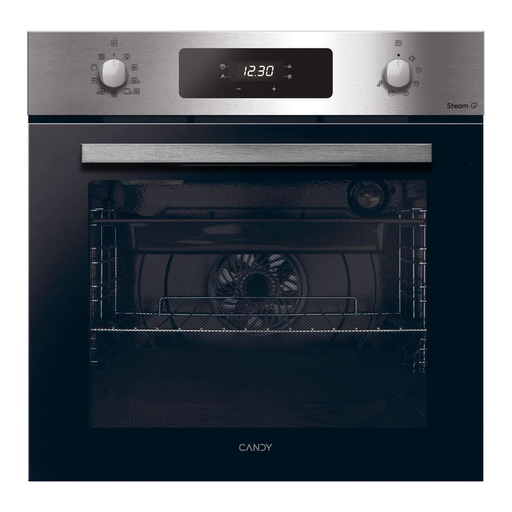
CANDY F CM955XRL/CN built-in single oven
Consider this for an approved installed replacement when shared-kitchen cleaning is a priority. The product name specifies pyrolytic cleaning; check its instructions, installation requirements and usable cavity dimensions before choosing it for your dish.
View on Joybuy
 No image available
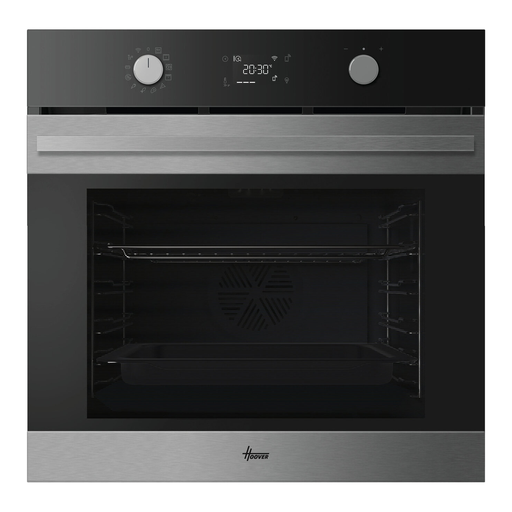
Hoover HO6 C5B3YTX H-Oven 500 70 L pyrolytic oven
Consider its stated 70 L capacity for a shared-meal dish, while checking the cavity and shelf measurements rather than relying on litres alone. The title describes a built-in oven, but the product-type wording also describes it as freestanding: confirm the installation format and hardwiring requirements before planning a replacement.
View on Joybuy
 No image available
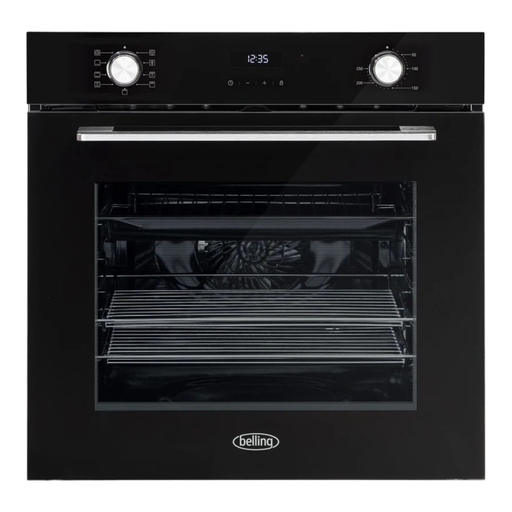
Belling BEL BI603MFC built-in single oven, black
This electric built-in single oven is an option to assess if an installed replacement is approved. Measure your baking dish against its cavity and shelf dimensions, and check the full installation and connection instructions against the existing kitchen.
View on Joybuy
 No image available
Bosch HHF113BA0B Series 2 built-in single oven
For an approved built-in location, compare your dish with this model’s cavity and shelf dimensions. Its Joybuy product description states 66 L capacity and 3D Hotair, but those features do not confirm dish fit; check the installation instructions and electrical connection as well.
View on Joybuy
 No image available
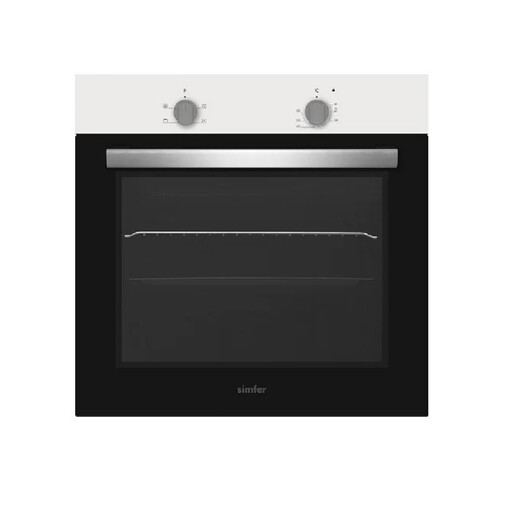
Simfer FO60W built-in electric single oven, white
Consider this single oven only where an installed appliance is permitted. Check that the cabinet and your pie dish fit the exact model, and confirm that the available socket and circuit meet its connection requirements without overloading an extension lead.
View on Joybuy
Common questions
Can I replace the oven in a rented shared kitchen myself?
Do not assume you can replace a supplied oven without approval. Check your tenancy arrangements and ask the landlord or property manager before changing an installed appliance; report safety concerns about the existing cooker. GOV.UK says landlords must keep rented property safe, while the appropriate repair or replacement arrangements depend on the tenancy and applicable local rules.
Can I plug a mini oven into an extension lead?
Use a suitable wall socket rather than treating an extension lead as the default. Electrical Safety First warns against overloading extension leads and adaptors or daisy-chaining them. Follow the oven’s instructions and seek a qualified electrician’s advice if the available circuit is uncertain.
Will I need an electrician for a replacement electric oven?
That depends on the exact oven and existing connection. Electrical Safety First explains that some ovens use a standard plug while others require hardwiring into a dedicated circuit. Check the model’s installation instructions and ask a qualified electrician if you are unsure about the kitchen supply.
Can I install or repair a gas oven myself?
Arrange gas installation or maintenance through an appropriately qualified Gas Safe registered engineer. Gas Safe Register advises checking that the engineer is qualified for the particular work; an electrician’s qualifications alone do not establish that.
What oven capacity will fit a cottage pie for several housemates?
No litre figure guarantees that your dish will fit: measure it, including the handles, against the exact oven’s cavity and shelf dimensions. Beko describes 65–82 L single built-in ovens and a 40 L compact format within its own range, but usable dish space varies by model.


