What should you check?
Check your recipe's heat settings first, then establish whether the oven fits and can be connected as instructed. Let your wider cooking routine determine whether extra capacity or cleaning features are worthwhile.
| Concern |
What to check |
Who this matters to |
| Pastry and filling |
Check for the heat modes specified by your recipe and a temperature range that covers each baking stage. |
I want to blind-bake the pastry and then cook the filling without guessing how to adapt the settings; around 40% of consumers would put reliable tart cooking first. |
| Fit and connection |
Compare the installation drawing with your housing, then check the specified connection and electrical load or gas requirements. |
A replacement needs to fit my cabinet and suit the available connection before its extra functions matter; roughly 30% of consumers would prioritise fit and installation. |
| Space and upkeep |
Check whether you would use a second cavity, and compare the exact models' cleaning systems. |
When I cook several dishes or bake often, separate space or easier upkeep matters more to me than another tart setting; about 30% of consumers would make capacity and maintenance their primary concern. |
Joybuy oven choices
These built-in single and double ovens offer formats to consider for tart baking. Check each exact model's cooking settings, installation instructions and connection requirements against your kitchen before choosing.
 Image unavailable
Bosch Series 4 MBA533BB3B electric double oven, black
Consider the double-oven format if you regularly prepare a tart alongside another dish. Check the cooking settings for the cavity you intend to use, as well as the housing cut-out and electrical installation instructions.
View on Joybuy
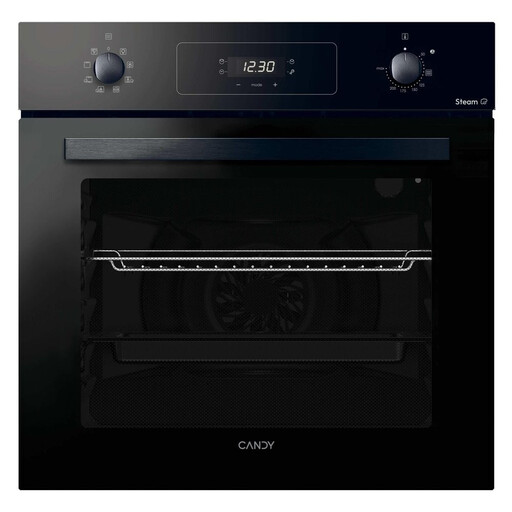 Image unavailable
Candy FIDCN605 65L built-in electric single oven, black
A single oven is a format to consider if you usually bake one tart at a time. Confirm that this model's modes and temperature range cover your recipe, and check the housing and connection instructions.
View on Joybuy
 Image unavailable
Belling BEL BI903MFC 90cm built-in double oven, black and stainless steel
Consider this double-oven format if separate cooking spaces would suit your regular meals. Check the temperature settings for each cavity, then confirm the tall housing fit and connection requirements.
View on Joybuy
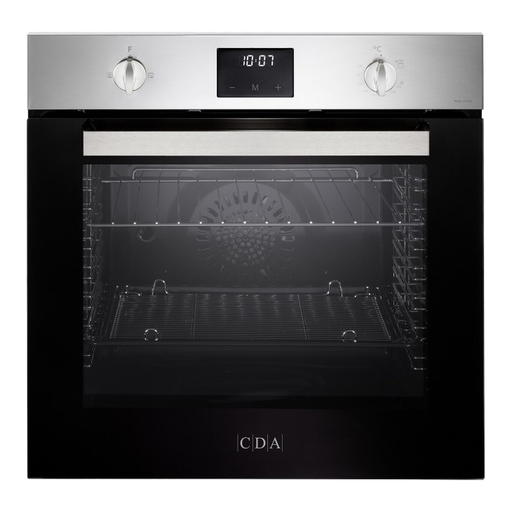 Image unavailable
CDA SG121SS 70L built-in single gas fan oven, stainless steel
This gas single-oven format is relevant if a gas connection suits your kitchen. Check its temperature range against your recipe and confirm the required gas type, housing fit and installation arrangements for the exact model.
View on Joybuy
 Image unavailable
Bosch HHF113BA0B Series 2 built-in single electric oven, black
A single-oven format may suit a household mainly baking one tart at a time. Check this exact variant's conventional or bottom-heat options and temperature range, along with its cabinet and electrical installation instructions; do not assume it shares the HHF113BR0B's specifications.
View on Joybuy
Frequently asked questions
Which oven settings should I look for when making a mushroom tart?
Look for settings that match the pastry and filling stages in the recipe you use. Sainsbury's Magazine's mushroom-tart recipe starts at 180°C conventional or 160°C fan, then lowers to 160°C conventional or 140°C fan; check the exact oven's modes and temperature range rather than treating those settings as universal.
Do I need steam to bake a mushroom tart?
No: the cited Sainsbury's Magazine recipe uses ordinary fan or conventional settings. An added-steam feature may be worth considering for other baking you do regularly, but check the exact model's functions rather than choosing it solely for this tart.
When is a double oven worth considering?
Consider a double oven if you regularly need separate cooking spaces for a tart and another dish. It also needs suitable housing and a compatible connection: Neff lists its U2ACH7AG7B at 888 mm high with a fixed electrician connection, so measure and check installation requirements for whichever model you choose.
Can I install a built-in electric oven myself?
Do not assume a built-in electric oven is a plug-in installation. Electrical Safety First says some ovens have a standard plug while others need hardwiring; follow the exact appliance instructions and consult a qualified electrician if fixed wiring or your supply needs assessment. Check the requirements applicable to your location before arranging installation.
Should I compare oven energy labels?
Compare the energy information supplied for the exact models you are considering, but assess it alongside cavity size, cooking modes and installation fit. An energy label alone cannot tell you whether an oven suits your tart tin or kitchen housing.


