For repeated bake-sale batches, start with an electric fan oven whose exact model specifies multi-level cooking, then check that your oat-bar tins fit the usable shelves. A large single oven suits baking mainly at one temperature; a double oven offers a separate cavity when other food needs attention. Installation, electrical connection and cleaning requirements can change which option works in your kitchen.
Who this choice affects
Multi-tray bake-sale bakers
If several trays need baking in one session, look for a stated multi-level fan mode and check the shelf layout rather than judging batch size by litres alone. Bosch, NEFF and AEG describe multi-level cooking on specific models.
Shared-kitchen batch bakers
If oat bars must be baked alongside meals or other sale items, decide whether one baking zone is enough. A double oven gives you separate cavities, but you still need to check the size of the main cavity and the space required to install it.
Low-maintenance home bakers
If frequent traybakes leave residue to clear up, compare the exact models’ cleaning systems alongside their baking modes and usable space. A cleaning feature does not establish how many tins will fit.
What to check before buying
Choose between one baking zone and two according to what else will be cooking during the bake sale; then check tray fit, electrical requirements and upkeep on the exact oven.
Single built-in fan oven
Choose when: Oat bars are the main task and you want to bake successive batches in one cavity, ideally with a stated multi-level mode.
Trade-off: One cavity gives you one cooking zone when another dish needs a different setting.
Built-in double oven
Choose when: Separate cavities would help you bake bars while cooking or warming something else.
Trade-off: Check the main cavity on its own: two cavities do not guarantee more space for oat-bar trays, and the housing must accommodate the appliance.
| Concern |
Buying checks |
Who this matters to |
| Multi-tray baking |
Check the exact model’s stated multi-level mode, shelf positions and usable tray space against your tins. |
If I have several trays to bake, I want to avoid making each shelf a separate baking cycle. Around 50% of consumers choosing for this bake-sale task put multi-tray baking first. |
| Kitchen fit and workflow |
Compare cabinet and appliance dimensions; confirm the electrical load and connection type before deciding whether separate cavities are useful. |
When the kitchen is also needed for other food, I need an oven that fits the space and the way we will cook. For around 30% of consumers, fit and cooking workflow are the primary concern. |
| Cleaning and energy information |
Compare the exact models’ cleaning instructions and energy labels; keep baking mode and tray fit as separate checks. |
After repeated traybakes, I want clean-up to be manageable and the model’s energy information to be clear. Upkeep and energy information come first for around 20% of consumers. |
Buying pitfalls
-
Choosing by litres alone
Cavity capacity does not tell you whether your oat-bar tins fit side by side or how much space there is between shelves. Multi-level cooking claims also apply to particular models and modes.
Measure your tins and check usable shelf width, shelf positions and the manufacturer’s cooking instructions before ordering.
-
Assuming a built-in oven has a standard plug
Electrical Safety First says some ovens use a standard plug while others require hardwiring. The Bosch HQA534BB3B and NEFF B1GCC0AN0B are specified by their manufacturers without plugs and require connection by an electrician.
Read the exact model’s installation instructions and have the electrical supply and connection requirements checked before purchase.
If the existing connection is unsuitable, additional electrical or installation work may be needed.
-
Assuming two cavities mean a larger baking area
AEG lists a 66 L main cavity for its researched double-oven example, compared with 72 L for its BPX535061M single oven. Separate cooking zones and the size of one baking zone answer different needs.
Compare the main cavity and tray fit if oat bars are the priority; choose separate cavities when cooking at the same time matters more.
-
Treating cleaning or energy features as baking evidence
A cleaning system affects upkeep, while an energy label supplies model information. Neither tells you whether several oat-bar tins fit or which baking mode to use.
Check baking instructions and shelf space first, then compare cleaning systems and the exact models’ energy information.
Relevant brands for reference
Bosch
Bosch offers built-in ovens with 3D Hotair; the HQA534BB3B also has an added-steam function.
- According to Bosch, the HQA534BB3B supports 3D Hotair cooking on up to three levels. Check its instructions against your planned tray arrangement.
- This built-in model is specified without a plug and requires electrical connection by an electrician, so check the installation space and supply.
NEFF
NEFF’s researched B1GCC0AN0B built-in oven centres on its CircoTherm hot-air mode.
- NEFF specifies baking on up to three levels for the B1GCC0AN0B; confirm the recommended mode and shelf positions for your tins.
- NEFF specifies no plug for this model and calls for electrical connection by an electrician. Check the exact installation instructions rather than relying on features shared across the range.
AEG
The researched AEG built-in ovens include single and double models with different cleaning systems.
- AEG specifies multi-level cooking and pyrolytic cleaning for the 72 L BPX535061M; its 65 L OU5AB20CK instead has Aqua Clean.
- AEG’s researched double-oven example has a 66 L main cavity. Compare each cavity and the required housing space before choosing it over a single oven.
Joybuy ovens for this task
These built-in single and double ovens are relevant to baking oat bars for a bake sale. Use their exact installation instructions and shelf layouts to decide whether a model suits your tins and kitchen.
 No image available
Belling BEL BI903MFC 90cm Built-In Double Oven
Consider the double-oven layout when oat bars need to be baked alongside other food. Check the main cavity’s shelf and tin fit, and confirm the housing and electrical requirements for this 90cm model.
Joybuy
 No image available
Bosch HHF113BA0B Series 2 Built-In Single Electric Oven
The single-cavity format suits a session focused on oat-bar batches rather than simultaneous cooking in separate ovens. Check the model’s instructions for permitted shelf positions, tin fit and electrical connection.
Joybuy
 No image available
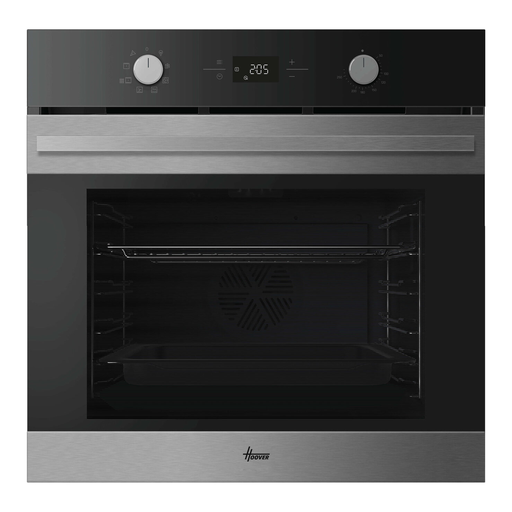
Hoover HO6 H3T1HTX Collection 3 Built-In Single Oven, 78L
The stated 78L single cavity is worth considering if one baking zone is your priority. Capacity alone cannot establish how many oat-bar tins fit: check shelf spacing, the recommended cooking mode and electrical requirements.
Joybuy
 No image available
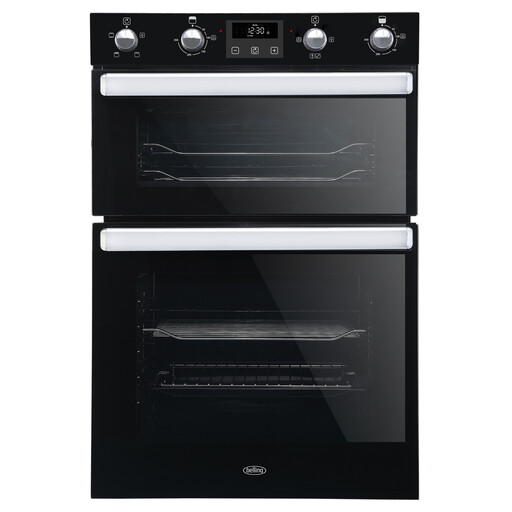
Belling BEL BI902FP Built-In Double Electric Oven
A double oven is an option when another cooking task needs a separate cavity during bake-sale preparation. Compare your tins with the main cavity’s shelf arrangement and check the installation and electrical instructions.
Joybuy
 No image available
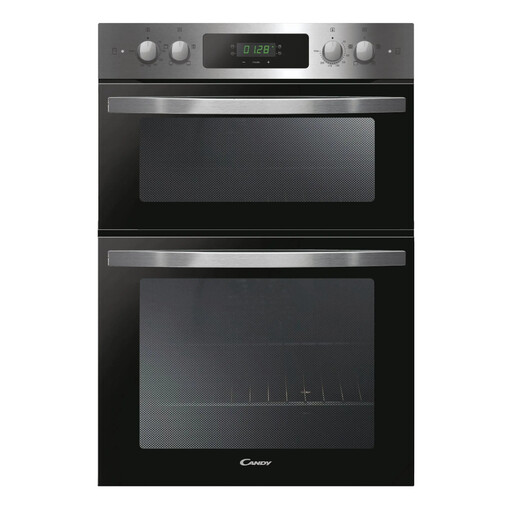
CANDY FCI9D405X Built-In Electric Double Oven
Consider its double-oven format if you need a separate cavity for another dish. Before planning several oat-bar trays at once, confirm the main cavity’s dimensions, shelf positions and cooking modes, as well as the installation requirements.
Joybuy
Common questions
Is any fan oven suitable for several trays of oat bars?
Look for a fan oven whose exact model specifies multi-level cooking, rather than assuming every fan oven works the same way on every shelf. Bosch, NEFF and AEG make model-specific multi-level claims; check the manual’s cooking mode and shelf guidance against your tins.
Will a built-in oven plug into a normal socket?
Not necessarily. Electrical Safety First says ovens differ in their connection requirements, while Bosch and NEFF specify electrician connection and no plug for the HQA534BB3B and B1GCC0AN0B respectively. Confirm the requirements of the model you choose before arranging installation.
How should I compare energy information for ovens?
Compare the energy labels for the exact models alongside their baking modes and usable tray space. UK guidance from the Department for Energy Security and Net Zero and the Office for Product Safety and Standards says products within the energy-labelling rules must be supplied with an accurate printed label; a label does not establish multi-tray baking performance.


