Party batch bakers
If several trays of oat bars need baking, usable shelf positions and tray dimensions matter alongside the oven’s stated capacity. Look for guidance on cooking across multiple levels if you intend to bake trays together.


If your kitchen has a suitable built-in aperture, a single fan oven is a sensible starting point for occasional batches of oat bars; check its usable tray space and look for independent heat-consistency tests of the exact model. Consider a double oven if separate cavities would also serve regular hosting, and confirm cabinet dimensions and the electrical connection before choosing either format.
If several trays of oat bars need baking, usable shelf positions and tray dimensions matter alongside the oven’s stated capacity. Look for guidance on cooking across multiple levels if you intend to bake trays together.
A birthday bake may influence the choice, but the oven also needs to fit the existing housing and electrical supply and suit routine meals.
If oat bars and other dishes often need different cooking conditions, two cavities may be more useful than extra space in one cavity. Consider how often that need arises beyond this party.
Consider it when: You have suitable built-in housing and usually need one cooking cavity, including for occasional party baking.
Trade-off: One cavity cannot keep dishes at separate temperatures at the same time.
Consider it when: You regularly host and need oat bars in one cavity while another dish cooks separately.
Trade-off: It needs housing suited to the chosen double-oven model, so one birthday party alone is a weak reason to change format.
Consider it when: Your kitchen plan calls for an oven and hob together rather than an oven fitted into a cabinet.
Trade-off: This changes the appliance footprint and installation plan; it is not, by itself, a baking-performance upgrade.
| Concern | What to check | Who this matters to |
|---|---|---|
| Usable batch space | Check shelf positions and usable tray dimensions. If baking trays together, confirm the exact model’s multi-level cooking guidance. | When I have several trays of oat bars to prepare, I need to know how many can fit at once rather than rely on the cavity’s litre figure. Around 46% of consumers put usable batch space first. |
| Even baking | Look for independent tests of heat distribution and temperature-control accuracy for the exact model; check its fan-cooking guidance too. | I want successive trays to bake predictably without assuming a named airflow feature guarantees the result. For around 36% of consumers, baking consistency is the primary concern. |
| Kitchen fit and connection | Compare the measured cabinet opening with the installation chart, then confirm the model’s electrical connection and installation requirements. | If an oven cannot be fitted and connected appropriately in my kitchen, extra baking features cannot settle the choice. Kitchen fit and installation come first for around 18% of consumers. |
A larger stated cavity does not tell you whether your trays fit on usable shelves or how evenly they bake. Which? assesses heat distribution and control accuracy when testing built-in ovens.
Compare shelf layout and tray dimensions for the exact model, and consult model-specific independent tests where available.
Manufacturers describe their airflow systems differently. A feature name is not an independent comparison of how particular ovens bake several trays of oat bars.
Check the model manual for multi-level use and recipe guidance rather than assuming that different feature names promise identical results.
Built-in dimensions and electrical requirements vary by model. NEFF’s UK installation guidance advises using a trained, certified electrician.
Measure the opening, consult the manufacturer’s installation chart and confirm the connection and installation plan before ordering.
An unsuitable cabinet or connection may mean additional installation work.
GOV.UK’s electrical-equipment guidance is framed for Great Britain and notes that provisions apply differently in Northern Ireland.
For delivery or installation in Northern Ireland, check the applicable guidance and the seller’s documentation rather than relying on a Great Britain-specific conclusion.
Worth considering if you are comparing built-in single and double ovens for occasional baking or regular entertaining.
Relevant when comparing multi-level baking in a single oven with the separate cavities of a double oven.
Relevant if steam-assisted baking is a feature you would use beyond this batch of oat bars.
Relevant to shoppers considering a built-in single fan oven with a manufacturer-described airflow system.
These built-in single and double ovens relate to the party-baking choice: a single cavity for occasional batches, or separate cavities when you regularly cook other dishes alongside them. Compare each model’s tray space, installation instructions and connection with your kitchen before choosing.
 No image available
A single-oven option for occasional party batches and everyday cooking. Check usable tray dimensions and the model’s multi-level baking guidance; confirm that the housing and electrical connection suit the installation instructions.
 No image available
Consider a double oven if you regularly need separate cavities for party baking and other dishes. Check whether the specified eye-level installation suits your housing, and confirm the electrical supply and usable tray dimensions.
 No image available
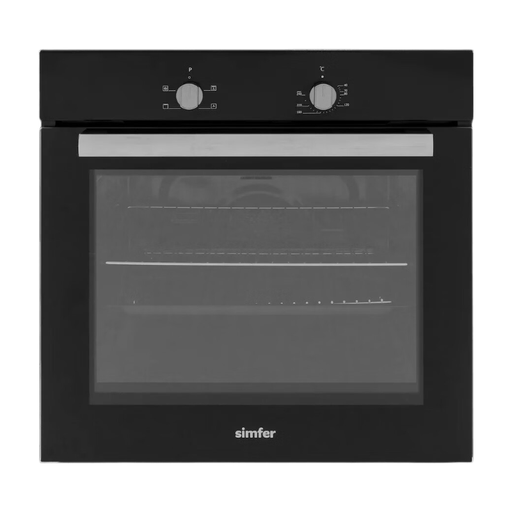
A single fan oven to consider when one cavity suits your usual cooking. Check its shelf and tray arrangement before planning simultaneous batches, and reconcile the stated product and installation measurements against the manufacturer’s installation chart.
 No image available
A single-cavity option if a double oven would add space you rarely use. The stated capacity is 65 L; check usable tray dimensions and shelf positions rather than treating that figure as a measure of batch size. Confirm the cut-out and electrical connection before ordering.
 No image available
A double-oven option for households that regularly cook other dishes alongside a bake. Check whether both cavities meet your cooking needs, then confirm tray dimensions, housing measurements and electrical requirements for the exact model.
A double oven is not necessary solely because you are baking oat bars for one party. If a single oven fits your trays and normal cooking needs, consider a second cavity only when you would regularly use it for other dishes or temperatures.
Neither tells you enough on its own about how your oat bars will bake. Check usable tray space and shelf positions, then look for independent heat-distribution and temperature-control results for the exact oven; Which? includes those measures in its built-in oven testing.
Follow the chosen oven’s installation instructions and connection requirements rather than assuming it is suitable for self-installation. NEFF’s UK guidance advises using a trained, certified electrician; confirm the appropriate installation plan for your model and kitchen before purchase.
Steam assistance is not a requirement for choosing an oven for oat bars. AEG offers SteamBake on the GA5CB50FAB, but whether you want that model-specific function depends on the recipes you plan to make as well as the oven’s fit and other features.