Picnic batch cooks
If onion wedges go in the oven alongside other picnic food, usable shelf space and manageable clean-up may matter more to you than extra programmes.


For one or two trays of onion wedges, start with a single fan oven that fits your cabinet; a fan-cooking mode is relevant, but it does not guarantee even browning. Consider a larger single cavity when picnic preparation regularly involves several trays that can share a cooking programme, or a double oven when you need separate cooking spaces. Check the exact installation requirements before choosing either format.
If onion wedges go in the oven alongside other picnic food, usable shelf space and manageable clean-up may matter more to you than extra programmes.
If you usually cook one or two trays, focus on cabinet fit, fan cooking and the electrical connection before considering a second cavity.
If dishes regularly need separate cooking spaces or temperatures, a double oven addresses a different need from simply enlarging one cavity.
Decide whether your dishes can share one cavity before comparing capacity or cleaning features. The oven must also fit its intended housing and meet the electrical requirements of the exact model.
Choose it when: Onion wedges usually take one or two trays.
Bear in mind: One cavity cannot provide a separately controlled cooking space for another dish.
Choose it when: Several trays can cook in the same cavity under a suitable shared programme.
Bear in mind: Greater stated capacity alone does not establish more accurate cooking.
Choose it when: Your picnic dishes repeatedly need separate cooking spaces.
Bear in mind: It needs housing suited to a taller appliance and may offer little benefit for wedges alone.
| Concern | What to check | Who this matters to |
|---|---|---|
| Even browning | Confirm the fan-cooking mode; look for independent model-level evidence on heat distribution and temperature accuracy. | If some wedges darken before others are cooked, I want more than an airflow claim to guide my choice. Around 36% of consumers put consistent browning first. |
| Batch space | Compare usable shelf positions and cavity size, then decide whether dishes need one shared cavity or two separate ones. | When wedges are only part of a picnic spread, I need room for the other dishes without assuming they all cook together. For around 29% of consumers, cooking space is the primary concern. |
| Cleaning | Distinguish steam-assisted cleaning from pyrolytic cleaning and check the model's cleaning instructions. | After roasting food with oil, I want to know what cleaning work remains. Around 21% of consumers place that workload first. |
| Fit and installation | Compare the cabinet opening with the installation dimensions; check the electrical connection and energy documents for the exact model. | If the oven cannot be fitted or connected as required, its cooking features will not settle my decision. Cabinet and installation checks come first for around 14% of consumers. |
A category width does not specify every appliance dimension or the space needed for installation.
Measure the opening and compare it with the exact model's installation diagram before ordering.
A mismatch may require changes to the housing before the oven can be fitted.
A fan mode is relevant to heat circulation, but its name does not establish how evenly a particular oven cooks. Which? assesses oven control accuracy at different temperatures and points in the cavity.
If consistent browning is important, use the fan mode as a starting criterion and seek independent results for the exact model.
Connection requirements differ by oven. NEFF specifies electrician connection for its B54CR31N0B, while Electrical Safety First advises checking an oven's power requirements.
Read the model's installation instructions and arrange a qualified electrician where its requirements or your existing wiring call for one.
A second cavity helps when dishes need separate cooking spaces; it does not automatically make onion wedges easier to roast.
If your dishes can share a cooking programme, compare suitable single-cavity ovens before committing to the taller double-oven format.
These named product lines illustrate oven formats and features to compare, rather than a judgement about every oven made by each brand.
Beko UK lists both the BBIF12311 single fan oven and the BBDF26300 double oven, making them examples of the one-cavity and two-cavity choices.
The AEG BPX535A61M is an example for cooks comparing a larger single cavity with pyrolytic cleaning.
The NEFF B54CR31N0B illustrates a single-oven option for cooks interested in tray access and multilevel baking features.
Bosch Home UK lists built-in single ovens with differing functions as well as a double-oven format.
These built-in single and double ovens relate to the tray-roasting and multi-dish choices above. Compare each model's installation instructions and, if even browning is decisive, look for independent results for that model.
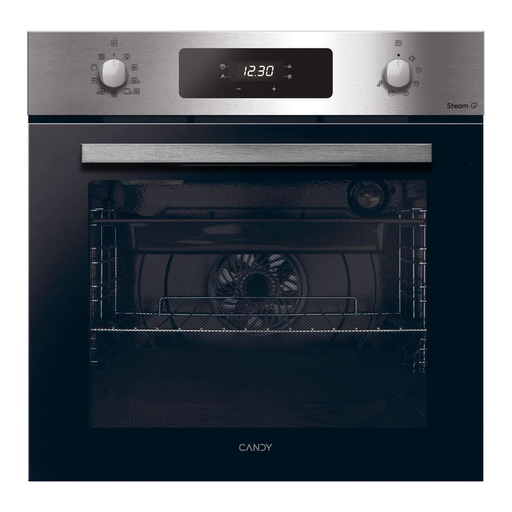 No image available
Consider this single-oven format if you want a dedicated cleaning function alongside your tray-roasting needs.
The product title specifies pyrolytic cleaning. Check the installation dimensions, electrical connection and cleaning instructions for this exact model.
 No image available
A double oven is worth considering when picnic dishes repeatedly need separate cooking spaces, rather than for a tray of wedges alone.
The title identifies a 90cm double-oven format. Check the cabinet opening and electrical installation requirements before ordering.
 No image available
This single-oven format is a starting point if onion wedges usually take one or two trays and you do not need a second cavity.
Confirm the fan-cooking mode, cabinet cut-out and electrical connection against the exact model's specifications.
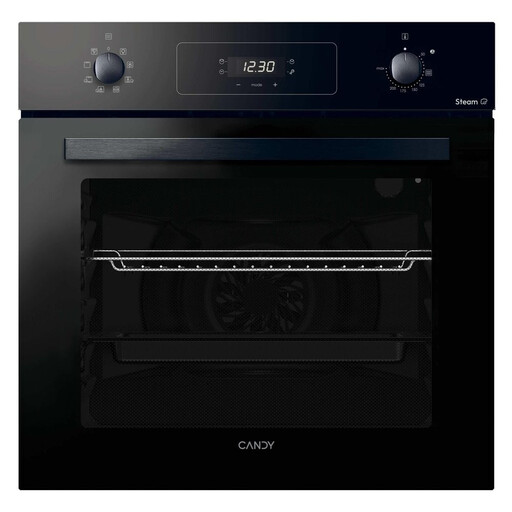 No image available
Consider the 65L single-cavity format if your picnic dishes can cook in one oven rather than in separate spaces.
Check the required cabinet cut-out and follow this model's instructions for its electrical connection.
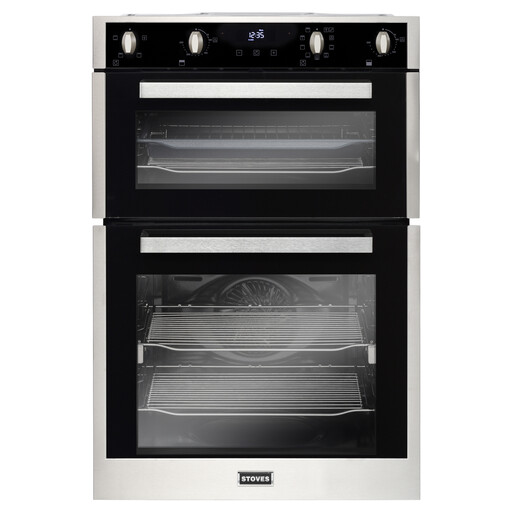 No image available
The double-oven format is relevant if cooking other picnic dishes separately is a regular need; it may be unnecessary for wedges alone.
Compare the exact installation dimensions and electrical requirements with your kitchen before choosing it.
A single fan oven is a sensible starting point for one or two trays, provided it fits your kitchen. Confirm the fan mode on the exact model; if consistent browning is especially important, compare independent model-level results rather than treating the programme name as a guarantee.
Choose a larger single cavity when your dishes can share a suitable cooking programme; consider a double oven when you repeatedly need separate cooking spaces. A double oven also needs the appropriate taller housing, so compare its installation diagram with your cabinet.
No: the connection depends on the exact oven and installation. NEFF specifies electrician connection for its B54CR31N0B, while Electrical Safety First advises checking an appliance's power requirements; follow the model instructions and consult a qualified electrician where needed.
For domestic ovens within the scope of Great Britain's energy-information requirements, GOV.UK says an energy label must be displayed at the point of sale and a product information sheet supplied. Compare those documents alongside cavity size, cooking functions and installation requirements; an energy class alone does not tell you how an oven browns onion wedges.
No. AEG describes pyrolytic cleaning on its BPX535A61M as turning residue into ash for wiping away, while Beko describes steam assistance on its BBIF12311 as softening residue before wiping. Follow the exact model's manual for the cleaning procedure and any instructions about removable parts.