Hosts cooking several party dishes
If cauliflower is one part of the meal, you need to decide whether dishes can share shelf space or must cook separately.


A built-in single fan oven is a sensible choice when the cauliflower needs one large tray or party dishes can cook in sequence. Consider a built-in double oven when another dish needs a separate temperature or timing at the same time. In either case, check the shelf layout, cabinet opening and electrical requirements for the exact model before ordering.
If cauliflower is one part of the meal, you need to decide whether dishes can share shelf space or must cook separately.
If roasted vegetables are the main task, focus on usable tray space, shelf positions and evidence about heat distribution rather than the number of cooking programmes.
If an existing oven is being replaced, check the cabinet opening and electrical supply before choosing a different size or format.
Choose it when: One large cauliflower tray is the main job, or other dishes can cook in sequence in a compatible single-oven housing.
Trade-off: One cavity cannot give separate dishes independent temperatures at the same time.
Choose it when: Cauliflower and another party dish need separate cooking spaces, and the cabinetry is designed for a double oven.
Trade-off: Two cavities require a different installation format; check the usable space in each cavity rather than assuming it replaces a single oven directly.
| Concern | What to check | Who this matters to |
|---|---|---|
| Cooking several dishes | Check usable cavity space, shelf positions and whether you need a separate cavity. | If cauliflower must be ready alongside other party food, I need enough room or separate cooking spaces to keep the meal on schedule. Around 40% of consumers put cooking capacity and simultaneous dishes first. |
| Even roasting | Check the exact model’s fan settings and independent evidence about heat distribution and temperature control where available. | For a tray of florets, I care about how consistently the oven browns food across the tray. Roughly 30% of consumers prioritise even roasting. |
| Installation and supply | Compare the required cabinet opening and ventilation instructions with the available space; check electrical loading and connection requirements. | If I am replacing an oven, it must fit the existing housing and connect safely before its cooking features matter. About 20% of consumers put installation and supply compatibility first. |
| Cleaning afterwards | Identify the exact cleaning system, which surfaces it covers and the instructions for using it. | After roasting trays for guests, I want to know how much residue I will need to clean by hand. Around 10% of consumers make post-party clean-up their primary concern. |
Appliance dimensions and the required cabinet opening are different measurements; a double oven also needs a different housing format from a single oven.
Compare the exact model’s installation instructions with your cabinet opening, ventilation space and electrical supply before ordering.
A mismatch can delay installation or require changes to the housing.
Airflow descriptions are model-specific manufacturer claims. Which? assesses oven heat distribution and control accuracy separately from feature lists.
Use fan features to shortlist ovens, then look for independent results on heat distribution and temperature control where available.
Electrical Safety First advises checking an oven’s power requirements to avoid overloading the wiring; connection arrangements differ between models.
Read the model’s electrical instructions and ask a qualified electrician to assess the supply where the required connection is uncertain.
Electrical work may be needed before installation can proceed.
Cleaning systems and the surfaces they cover vary by oven; they do not remove the need to follow the model’s cleaning instructions.
Check what the cleaning feature covers and let the oven cool before cleaning it as directed in the manual.
A reference point for comparing built-in single fan ovens with double-oven formats.
A reference point for single built-in ovens with fan-airflow and cleaning features.
A reference point for comparing a single true-fan oven with a built-in double oven.
These choices include built-in single electric and gas ovens for a cauliflower tray, plus a double electric oven for cooking party dishes in separate cavities. Check the installation and connection requirements of each model against your kitchen.
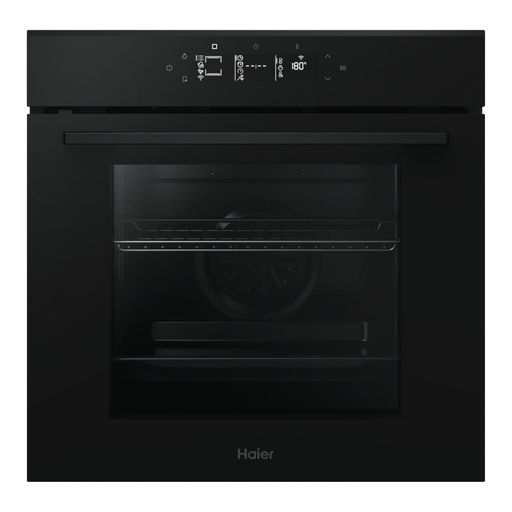 No image available
Consider this single-cavity oven if a large cauliflower tray is your priority; check that its shelf arrangement suits the other food you plan to cook.
Confirm the required cabinet opening and electrical connection in the model’s installation instructions. Check the operating temperature range before relying on a particular setting.
 No image available
This double-oven format is worth considering when cauliflower and another party dish need separate cooking spaces.
Check the required cabinet opening against your housing rather than relying on the nominal 90 cm description, and confirm the model’s electrical installation requirements.
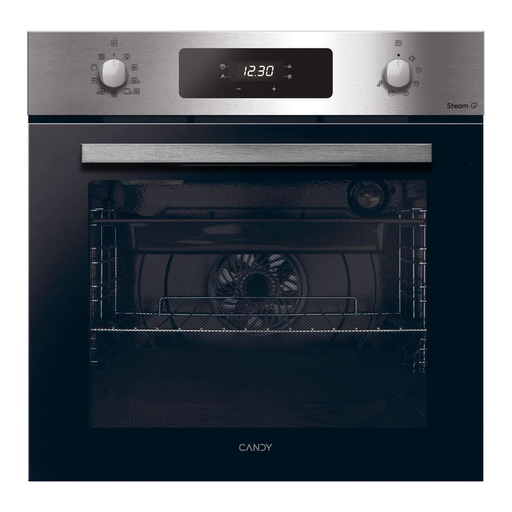 No image available
This single oven may suit a cauliflower tray when cleaning after the party is also a priority; compare its usable shelf arrangement with your planned dishes.
Check the cabinet opening and electrical instructions before ordering. Follow the model’s directions on removing shelves and trays before a pyrolytic cycle.
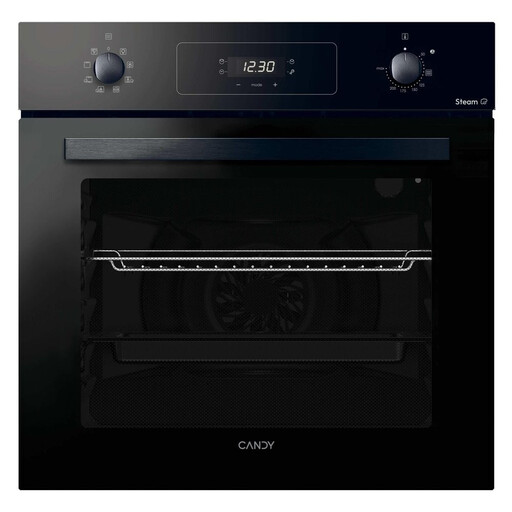 No image available
For a party meal cooked in sequence, this single-cavity option is worth comparing with the space your roasting tray needs.
Confirm the cabinet opening and the exact connection method in the model’s installation instructions before arranging fitting.
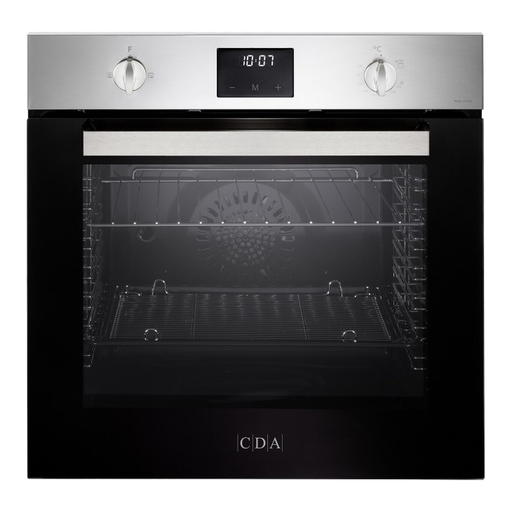 No image available
Consider this gas single-oven option only if it suits the fuel supply available in your kitchen and the space needed for your party trays.
Check the required cabinet opening and have a qualified installer confirm the gas connection and any conversion requirements for the exact model.
Not if one cavity can accommodate the cauliflower and other food can cook in sequence. Consider a double oven when dishes need separate cooking spaces at the same time, and check that your cabinetry accepts that format.
No: compare the exact model’s required cabinet opening, ventilation and connection instructions with your kitchen. Electrical Safety First advises checking oven power requirements because connection arrangements can differ.
Follow the recipe or packet cooking instructions and check that the florets are cooked before serving. The Food Standards Agency advises following the cooking temperature guidance provided with food.
Keep the model details and installation instructions accessible, and check whether the manufacturer offers product registration for safety updates and support.