If the galette is your main oven task, a single oven with a fan setting may suit you; compare temperature-control evidence where available rather than relying on a cooking-mode name alone. If another dish needs a different temperature at the same time, consider two cavities, but check that each holds the dishes you plan to cook and that the appliance fits your kitchen and electrical installation.
Who needs which oven?
Family-meal multitaskers
If the galette must bake while another dish needs the oven, consider whether separate cavities would let you use different temperatures. Check the usable space in each cavity, not just the combined capacity; Beko’s double-oven specifications illustrate why the distinction matters.
Pastry-focused home bakers
If the galette is the main oven task, concentrate on an appropriate cooking mode and controllable heat. Which? assesses oven-control accuracy in its built-in oven testing, while the pear-galette recipe from Little Greene distinguishes conventional and fan settings.
Replacement-oven buyers with fixed kitchen space
If you are replacing an appliance, measure the cabinet space and check the new model’s connection requirements before comparing optional functions. Electrical Safety First advises reviewing an oven’s power requirements to avoid overloading the wiring.
What matters when choosing?
For a pear galette served alongside a family meal, decide whether any other dish needs a separate cooking temperature. A single oven and a double oven solve that scheduling question differently; steam assistance is an optional feature to assess within either format, not a substitute for checking fit and cooking modes.
Built-in single oven
Consider it when: The galette is the main oven task and a single cavity fits your cooking plans.
Trade-off: One cavity cannot cook another dish at an independently set temperature at the same time.
Built-in double oven
Consider it when: The galette and another dish need different temperatures at the same time.
Trade-off: It needs an appropriate cabinet space, and the smaller cavity may not accommodate your larger dishes.
| Concern |
What to check |
Who this matters to |
| Capacity and simultaneous cooking |
Check each cavity’s usable dimensions, shelf positions and whether your kitchen accepts the chosen oven format. |
I need the galette to bake while I prepare another dish, without discovering that its tray will not fit the spare cavity. Around 27% of consumers would put cooking space and scheduling first. |
| Baking control |
Check for the cooking mode your recipe calls for and compare independent evidence on temperature accuracy where available. |
I want to follow the galette recipe’s fan or conventional setting and keep an eye on browning, rather than assume every oven responds alike. For around 33% of consumers, baking control would be the primary concern. |
| Installation fit |
Measure the cabinet aperture and check the exact model’s installation instructions, electrical load and connection type. |
I am replacing an oven in an existing kitchen, so the new appliance has to fit the space and suit the electrical installation. Around 27% of consumers would make that fit their first priority. |
| Cleaning and energy information |
Compare the model’s cleaning method and energy information alongside its cooking functions; check each cavity’s information where relevant. |
After serving the galette and meal, I want to understand the cleaning routine and compare energy information before choosing. That would be the leading concern for around 13% of consumers. |
Buying pitfalls
-
Judging a double oven by combined litres
The space is split between two cavities. Beko lists a 75L main oven and a 38L top oven for its BBDF26300, so the same tray will not necessarily fit in both.
Compare each cavity’s internal dimensions and shelf positions with the dishes you intend to cook.
-
Assuming a replacement oven uses a standard plug
Connection requirements vary by model. Electrical Safety First advises checking power requirements, while Bosch specifies that its HQA534BB3B has no plug and needs electrical connection by an electrician.
Read the selected model’s installation instructions and have the existing circuit and connection assessed by an appropriately qualified installer.
A model requiring a different connection may also involve circuit assessment or installation work.
-
Expecting steam assistance to guarantee a better galette
Bosch and AEG describe baking benefits for particular steam-assisted models, but those brand claims do not establish how every pear-galette recipe will turn out. Little Greene’s recipe also gives a conventional or fan setting.
Choose a suitable cooking mode, cavity and installation fit first. Consider steam assistance if you expect to use its specified settings for other baking too.
-
Treating an energy label as a baking test
An energy label provides energy information, not a measure of temperature-control accuracy. Which? assesses control accuracy separately in its built-in oven testing.
Compare energy information alongside the cooking modes, capacity and any relevant independent performance evidence.
Brands to consider
Bosch
Relevant if you are comparing built-in ovens with fan cooking or an added-steam function.
- For the HQA534BB3B, Bosch lists 3D Hotair and an added-steam function; its description of baking results is a manufacturer claim, not an independent comparison.
- That model’s listed appliance size is 595 × 594 × 548 mm, and Bosch states that it has no plug and requires electrical connection by an electrician. Check the requirements of the particular model you choose.
AEG
Relevant if you bake frequently and want to compare additional cooking and cleaning functions in a built-in oven.
- AEG lists a 71L cavity, true fan cooking, SteamBake, a temperature probe and catalytic/Aqua Clean cleaning for its GA5CB501AB.
- SteamBake’s claimed baking benefit is AEG’s own description, not proof of a better result for this galette. Check the model’s installation and cleaning instructions.
Beko
Relevant when comparing a large single cavity with separate cavities for family-meal cooking.
- Beko describes built-in single ovens in its range from 65L to 82L; its BBDF26300 double oven has a listed 75L main cavity and 38L top cavity.
- Check the dimensions and functions of each cavity in the model under consideration rather than assuming that a combined capacity describes usable space for one dish.
Joybuy oven choices
These choices include built-in single and double ovens, plus a freestanding cooker with two ovens. Choose the format that fits your kitchen before comparing how you would schedule the galette and the rest of the meal.
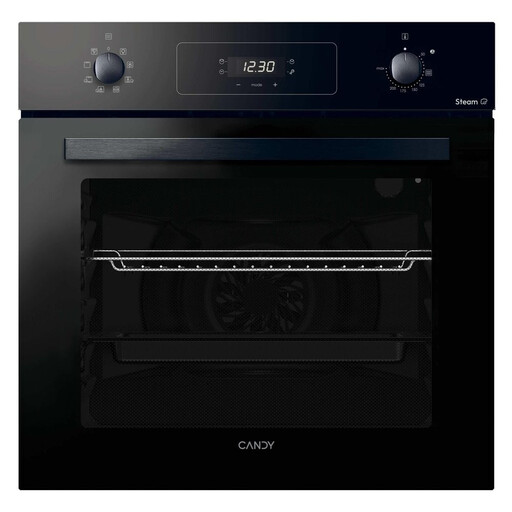 Image unavailable
Candy FIDCN605 65L built-in single oven, black, A+
Consider this single-cavity oven if the galette is your main baking task. Check its cooking modes against your recipe and confirm the cabinet aperture and electrical connection before ordering.
View on Joybuy
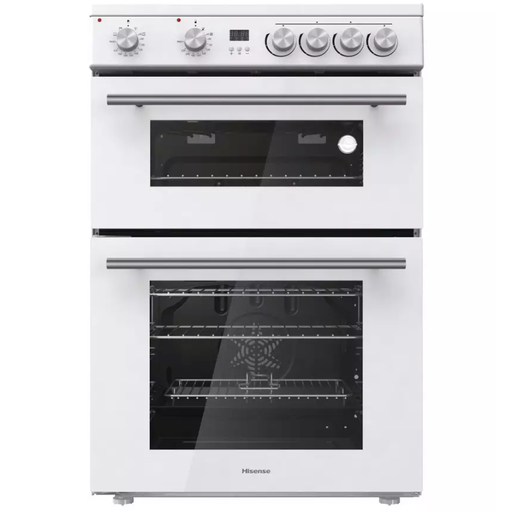 Image unavailable
Hisense HDE3211BWUK 60cm electric cooker, double oven and ceramic hob, white, A+/A
This freestanding cooker is an option when you want two oven cavities and a hob rather than a built-in appliance. Check each cavity’s usable size, the space for the cooker and the required electrical connection.
View on Joybuy
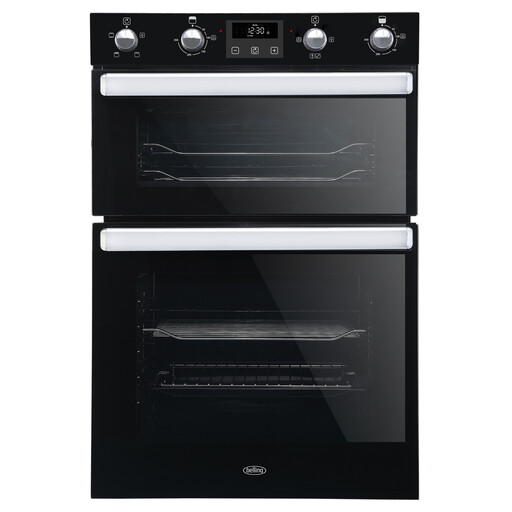 Image unavailable
Belling BEL BI902FP built-in double electric oven, black, A
Consider two built-in cavities if another dish needs a different temperature while the galette bakes. Check the usable dimensions of both cavities and the model’s cabinet and electrical installation requirements.
View on Joybuy
 Image unavailable
Bosch HHF113BA0B Series 2 built-in single electric oven, black
This single-cavity format suits a plan in which the galette has the oven to itself. Check the available settings against your recipe, and confirm the installation space and electrical connection for this exact model.
View on Joybuy
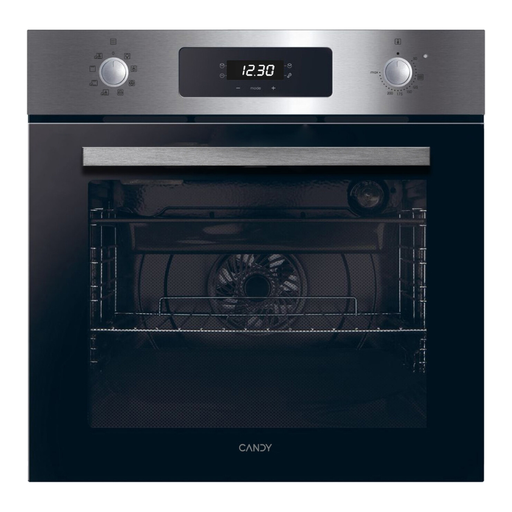 Image unavailable
CANDY F CM955NRL/CA Idea 70L built-in electric oven, stainless steel, A+
Its single cavity is worth considering when the galette is the main oven task. If your recipe calls for fan baking, confirm the available modes; also check the installation instructions and the cleaning procedure.
View on Joybuy
Common questions
What oven setting should I start with for a pear galette?
Start with your recipe’s instructions and select the matching oven mode. Little Greene’s pear-galette recipe specifies preheating to 180°C conventional or 160°C fan; check the pastry and fruit as they brown rather than treating one setting as universal.
Do I need a double oven for a family gathering?
Not if the galette can have the oven to itself or your dishes can be cooked in sequence. Two cavities become useful when another dish needs a separate temperature at the same time, provided both cavities fit the dishes you plan to use.
Can I install a replacement built-in oven using the existing connection?
That depends on the new model’s requirements and the existing circuit. Electrical Safety First advises checking an oven’s power requirements; have the connection and any required installation work assessed by an appropriately qualified installer, following the requirements applicable where you live.
Does an oven’s energy label tell me how well it will bake?
No: energy information does not establish temperature accuracy or the result of a galette recipe. GOV.UK guidance requires an accurate printed energy label for products within the rules’ scope; compare that information separately from cooking modes and relevant independent oven tests.


