Occasional tart bakers replacing a built-in oven
If you usually bake one tart at a time, start with an oven that fits the existing housing. Compare heat distribution and temperature control before paying attention to extra cooking modes.


A built-in single oven is a sensible starting point if you normally bake one chocolate tart at a time, provided it fits your housing and electrical setup. Compare independent temperature-accuracy and heat-distribution results for the exact model rather than relying on a fan-feature name alone. A double oven is worth considering when you regularly need separate cavities; steam assistance is optional for this tart.
If you usually bake one tart at a time, start with an oven that fits the existing housing. Compare heat distribution and temperature control before paying attention to extra cooking modes.
If the tart often goes in while other food is cooking, decide whether you need separate cavities or whether the shelf arrangement of a single oven suits your routine.
If reaching the tart tin or cleaning the cavity is a concern, compare door designs and cleaning systems on the exact models that fit your kitchen.
Check the housing and electrical requirements, then look for evidence of baking performance on the exact oven model. Decide whether a second cavity or an access or cleaning feature would serve your wider cooking routine.
| Concern | What to check | Who this matters to |
|---|---|---|
| Even baking and temperature control | Look for independent heat-distribution and temperature-accuracy results for the exact model; check its shelf arrangement for your tart tin. | If I am baking a delicate tart, I want predictable heat rather than choosing by the number of cooking modes. Roughly 46% of consumers put baking consistency first. |
| Fit and electrical installation | Compare the housing opening with the model’s installation dimensions and confirm its connection requirements. | Replacing an oven is difficult if the new one cannot fit or use the kitchen’s electrical setup as intended. Around 36% of consumers put fit and installation first. |
| Cleaning and working access | Check the exact cleaning system and whether the door and shelf layout let you handle the tart tin comfortably. | When I need to lift out a tart carefully and clean the cavity afterwards, access matters in everyday use. About 18% of consumers make cleaning and access their primary concern. |
Which? assesses heat distribution and temperature accuracy separately in its built-in oven testing. A manufacturer’s fan-system name describes a feature, not how that model performed in those tests. For installation, Electrical Safety First notes that oven connection requirements vary, including plug-in and hardwired arrangements.
More modes do not establish how evenly an oven heats or how accurately it holds a temperature. Which? treats both as distinct performance checks.
Use the mode list to narrow your choices, then look for independent results for the exact model.
Built-in ovens can differ in dimensions and electrical arrangements, even when their formats look similar. Bosch lists a GB plug for HHF113BR0B, while Neff specifies electrician connection and no plug for B3ACE4AG3B.
Measure the housing and follow the chosen model’s installation instructions; confirm the electrical requirements with a qualified installer if the existing supply is uncertain.
A coating or cleaning programme is model-specific and does not establish that the cavity needs no routine care.
Check what the selected system does and follow the manufacturer’s instructions for cleaning and safe use.
These brands offer relevant oven features, but the fit, connection and baking evidence still need to be checked for the particular model.
A reference point for conventional built-in single and double ovens.
Relevant if access to the cavity is a priority alongside fan baking.
Relevant when you are weighing a double oven for several dishes or considering steam-assisted cooking for uses beyond one tart.
These built-in single ovens are relevant if one cavity suits your picnic preparation. Compare each model’s fit and connection requirements, and seek exact-model baking results where even heat is your deciding factor.
 No image available
A single-oven option for baking one tart while keeping to a built-in format.
The product name states a 65L capacity. Check the installation dimensions and electrical connection for your kitchen, and compare exact-model baking results if heat consistency is decisive.
 No image available
Consider this single-oven format if you usually bake one tart rather than needing separate cavities.
Confirm its housing and electrical requirements for your kitchen. Do not apply the specifications of the different Bosch HHF113BR0B model to this one.
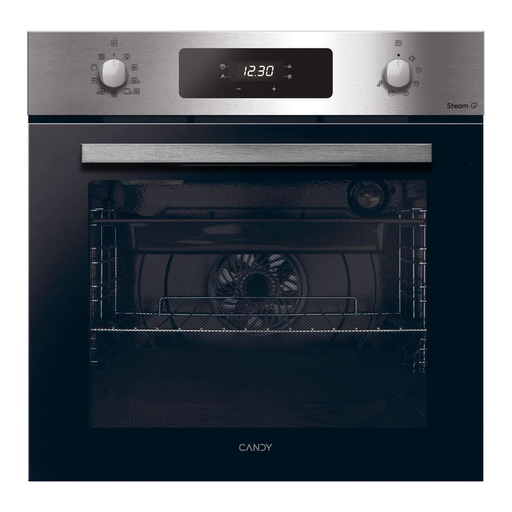 No image available
Consider this model if cavity cleaning is a priority as well as baking in a single oven.
The product name specifies pyrolytic cleaning. Confirm the electrical connection and installation dimensions, and follow the model’s instructions before using its cleaning cycle.
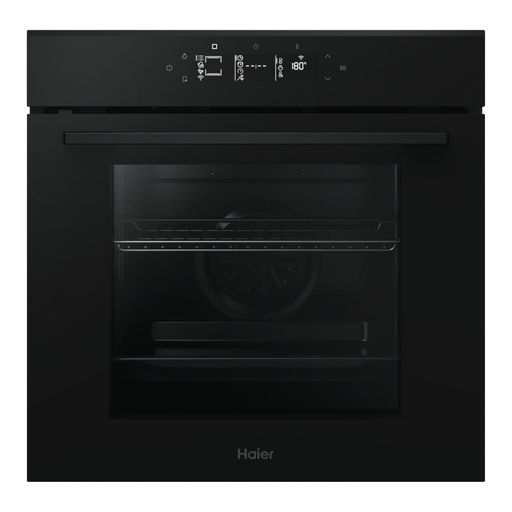 No image available
This built-in option may suit a kitchen where you want to assess cavity space alongside the tart tin and other cookware.
The product name states a 70L capacity. Check the cut-out and electrical requirements against the exact installation instructions; confirm any required temperature setting in the model’s manual.
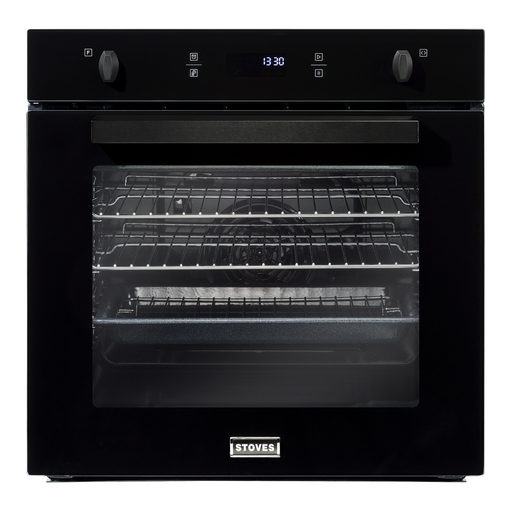 No image available
This single-oven format may appeal if cleaning the cavity is an important part of your choice.
The product name states 60cm and pyrolytic cleaning. Confirm the manufacturer and exact model identity, housing fit and installation instructions before ordering; follow the model’s safety instructions for its cleaning cycle.
No, not if you normally bake one tart or one main dish at a time. Consider a double oven if you regularly need separate cavities for other dishes; AEG describes that flexibility as a reason to choose its double-oven format.
Look for heat-distribution and temperature-accuracy results for the exact oven model. Which? tests these separately, so a fan-system name from Bosch, Neff or another manufacturer should not be treated as a comparative test result.
Not necessarily: confirm the chosen model’s connection requirements before ordering. Electrical Safety First explains that some ovens use a standard plug and fuse while others require hardwiring or a separate circuit; the kitchen’s existing setup also needs to be assessed.