Weekly lunchbox batch bakers
If you prepare parcels for several packed lunches at once, check how the oven handles your usual number of trays and whether its timer controls suit the way you cook.


For ordinary batches of puff pastry lunchbox parcels, start with a single built-in fan oven that fits your usual trays and has controls you can use for timed baking. Choose a double oven when you regularly cook another dish at a different temperature; in either case, check model-level evidence on heat distribution where available, along with the cabinet opening and electrical connection before ordering.
If you prepare parcels for several packed lunches at once, check how the oven handles your usual number of trays and whether its timer controls suit the way you cook.
If you mainly bake one or two trays alongside everyday meals, a single cavity may meet your needs. Cabinet fit, electrical connection and straightforward controls deserve attention before extra functions.
If parcels often need to cook alongside another dish at a different temperature, a double oven is worth considering—provided the kitchen can accommodate and power the model.
Decide whether you need one cavity or two, then assess baking performance and the practical requirements of the exact oven you plan to install.
Choose it when: parcels are your main baking task and one cavity accommodates your usual batch.
Trade-off: you cannot use a separate cavity for another dish at a different temperature.
Choose it when: you regularly cook parcels and another dish simultaneously at different temperatures.
Trade-off: the housing and electrical arrangement must suit the exact model, and cooking functions may differ between its cavities.
| Concern | What to check | Who this matters to |
|---|---|---|
| Even browning | Look for a fan or true-fan mode, then consult independent results for heat distribution and temperature accuracy for the exact model where available. Which? assesses oven-control accuracy at different settings. | When I bake several trays for packed lunches, I want the parcels to brown consistently without relying on a fan label alone. Around 42% of consumers put repeatable baking results first. |
| Fit and everyday use | Compare the required cabinet opening with your kitchen, and confirm the connection method and timer controls. Electrical Safety First notes that oven connection requirements vary. | If this oven is replacing one in an existing kitchen, I need it to fit and work with the available electrical arrangement before extra features matter. For around 33% of consumers, fit and straightforward use take priority. |
| Capacity and cleaning | Decide whether you need separate temperature zones; if cleaning matters, check the exact method and its care instructions rather than treating it as a baking-performance feature. | When parcels share oven time with another dish, or regular cooking leaves more cleaning to do, I value capacity or easier maintenance. Those are the primary needs of around 25% of consumers. |
A fan mode describes how an oven circulates heat, not how evenly every model bakes. Which? assesses heat distribution and temperature-control accuracy separately.
Use the cooking mode to narrow your choices, then check independent results for the exact oven where available.
Built-in ovens can require different openings and electrical arrangements, even when their advertised widths look similar.
Measure the housing, read the model's installation instructions and have a qualified electrician confirm the electrical arrangement where needed.
An incompatible opening or connection may mean additional installation work.
A second cavity helps when dishes need separate cooking space or temperatures; it does not automatically improve a tray of parcels baked in the main cavity.
If simultaneous cooking is rare, compare single ovens on baking performance, fit and usable controls before committing to a double-oven installation.
An energy-class letter does not tell you how the oven will bake your usual tray load. Parts support also depends on the manufacturer's policy and the particular appliance.
Review the exact model's energy information and ask the manufacturer about parts and service support for that range.
Relevant if you are comparing single built-in ovens with multi-level hot-air cooking and cleaning-oriented features.
Relevant if multi-level baking is a priority in a built-in single oven.
Relevant if you are comparing cavity size, multi-level functions and cleaning options on specific built-in models.
Relevant if you are considering a single fan oven with a steam-assisted cleaning feature.
These built-in ovens include single-cavity choices for ordinary parcel batches and a double oven for cooking another dish separately. Compare each model's installation instructions and controls with your kitchen and baking routine.
 No image available
Consider this single oven if your lunchbox batches need one cavity. If you plan to bake on several shelves, confirm the exact model's 3D Hotair instructions and usable shelf positions; also check its timer, cabinet opening and electrical installation requirements.
 No image available
The stated 65 L capacity gives you a size to compare with your usual tray load. If timed fan-assisted baking is important, check the exact cooking functions and timer; confirm the cut-out and connection method in the installation instructions before buying.
 No image available
Consider the double-oven format if parcels regularly need to cook separately from another dish. Check which cooking functions each cavity offers, then compare the required housing space and electrical installation with your kitchen.
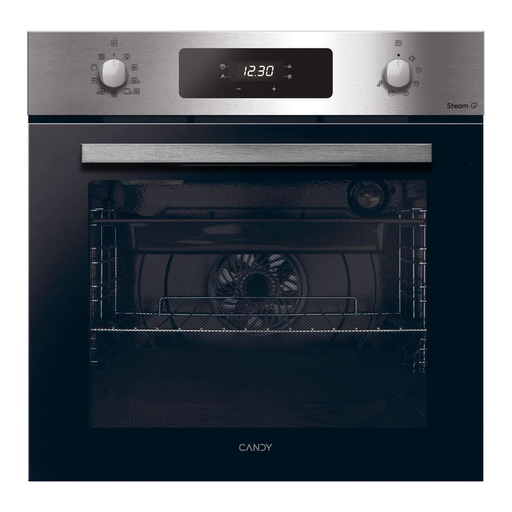 No image available
This single oven is worth comparing if routine cleaning matters alongside parcel baking. Pyrolytic cleaning is a maintenance feature, not evidence of more even browning; check the fan and timer functions, cleaning instructions, cut-out and electrical connection for this model.
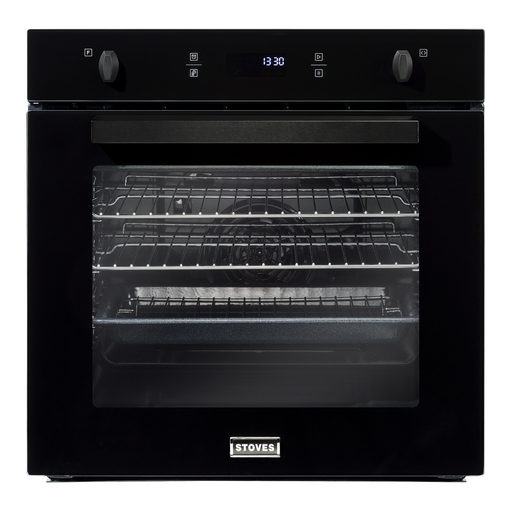 No image available
Consider this single oven if a pyrolytic cleaning option matters for regular use. The stated 60 cm size does not establish cabinet fit: check the precise cut-out, cavity space, electrical connection, fan function and timer against your needs.
No particular fan setting guarantees evenly browned parcels, but a fan or true-fan mode is a useful feature to consider, especially for more than one tray. Check independent heat-distribution and temperature-accuracy results for the exact model where available, and follow its guidance on shelf positions and tray loading.
A double oven is usually unnecessary when one cavity handles your normal batch. It becomes useful if you regularly need to cook a separate dish at a different temperature; check the functions in both cavities and the installation space before choosing one.
Check the energy information for the exact oven model rather than relying on a category description or assuming the rating predicts pastry-baking results. An energy label helps with the energy-information side of the decision; heat distribution and temperature control are separate questions.
Do not assume your new oven uses the same connection as the old one. Electrical Safety First notes that some ovens have a plug while others require hardwiring; follow the manufacturer's instructions and have a qualified electrician assess the connection where needed.