Low-and-slow pudding bakers
You mainly want to follow your chosen recipe’s fan or conventional setting through a long bake. Good Food and Nancy Birtwhistle give different settings for those two modes, so extra programmes need not drive your choice.


For baked rice pudding, choose an oven that offers the fan or conventional setting specified by your recipe, then decide how much space you need for other cooking. A single fan oven is a straightforward choice when you usually bake one dish; a double oven is more useful when the pudding needs to cook alongside a meal. Consider steam assistance for other baking you plan to do, rather than assuming it will improve rice pudding, and check the exact model’s fit and electrical requirements before buying.
You mainly want to follow your chosen recipe’s fan or conventional setting through a long bake. Good Food and Nancy Birtwhistle give different settings for those two modes, so extra programmes need not drive your choice.
You want to make rice pudding while preparing a meal or other baking. Cavity size, usable shelf space and whether a second oven would help your schedule matter more than a dessert-specific programme.
You need the new oven to fit its housing and suit the available electrical connection. Compare the exact model’s installation instructions, cleaning system and energy information before committing.
Start with the cooking mode your rice-pudding recipe calls for. Then decide whether the oven must accommodate other dishes at the same time, before checking fit, connection and upkeep for the model you favour.
| Concern | What to check | Who this matters to |
|---|---|---|
| Cooking mode and temperature | Check for the fan or conventional mode your recipe specifies. Look for model-specific evidence on temperature accuracy where available. | If I follow a low-and-slow recipe, I want to set the stated mode and temperature rather than guess a conversion. Around 33% of consumers put that recipe-matching need first. |
| Cabinet fit and connection | Compare the installation manual’s housing dimensions and ventilation requirements with your kitchen; confirm the model’s electrical loading and connection type. | Replacing a built-in oven means I need it to fit the cabinet and suit the available supply before its cooking features matter. That is the primary concern for around 27% of consumers. |
| Space for other dishes | Check the cavity layout, shelf positions and whether your baking dish fits; decide if separate ovens would help you cook concurrently. | When pudding occupies the oven during dinner preparation, I need room or a separate cavity for the other dishes. Around 20% of consumers prioritise that flexibility. |
| Cleaning and energy information | Read the exact model’s cleaning instructions, energy label and product information sheet. | If frequent baking leaves me cleaning the oven often, I want to understand its upkeep and declared energy information before choosing. For around 20% of consumers, those ownership considerations come first. |
Good Food specifies 160°C conventional or 140°C fan for its rice pudding; Nancy Birtwhistle specifies 150°C conventional or 130°C fan for hers. The paired temperatures differ between recipes as well as between modes.
Follow the mode and corresponding temperature in the recipe you choose instead of treating its fan and conventional settings as interchangeable.
The cabinet opening, ventilation space and electrical connection can determine whether a model suits your kitchen. Check the supply: appliances above 3kW differ from those using a standard 13A fused connection.
Measure the housing, read the exact installation instructions and plan the electrical work appropriate to your model and location before ordering.
A different connection or housing requirement may mean arranging electrical work or altering the cabinet.
The Good Food and Nancy Birtwhistle recipes use fan or conventional settings. Bosch and AEG describe steam functions for broader baking, but those features do not establish a rice-pudding-specific benefit.
Consider steam assistance if you will use it for other baking, and check that the oven also has the dry cooking mode your pudding recipe needs.
Energy information and cleaning systems help you compare ownership needs. Which? assesses temperature-control accuracy separately, so those features alone do not establish how accurately an individual oven holds a setting.
Compare the model’s declared energy information and cleaning instructions alongside its cooking modes and any available model-specific performance testing.
Worth considering if you want to compare a built-in oven with hot-air cooking and, on selected models, added steam.
Relevant if you also bake on several levels or value a door design intended to improve access.
Relevant if rice pudding is one part of a wider baking routine and you are considering an oven with both conventional and fan cooking.
Relevant if you want to consider a larger single cavity with true-fan cooking.
These choices include double ovens for cooking alongside other dishes, plus a single oven to consider when one cavity suits your routine. For each model, check that its cooking modes, housing dimensions and electrical requirements match your recipe and kitchen.
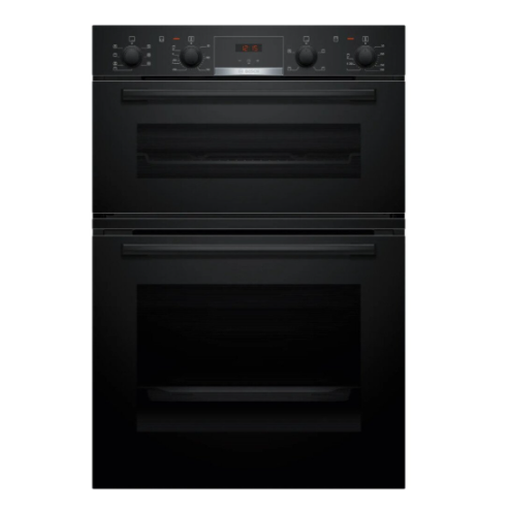 No image available
Consider a double oven if your rice pudding needs to bake while you cook another dish. Check the cooking mode in each cavity and confirm the housing and electrical connection requirements for your kitchen.
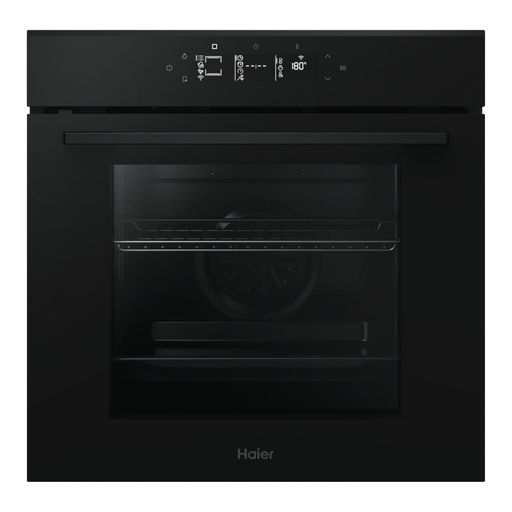 No image available
Consider this single-cavity model if you do not need a second oven for other dishes. Check its cooking modes against your recipe, and confirm the operating range, cabinet opening and electrical connection in the model documentation.
 No image available
The double-oven layout is worth considering if pudding and another dish often need oven time together. Its stated 90cm height makes housing measurements particularly important; confirm the required cooking settings and electrical arrangement as well.
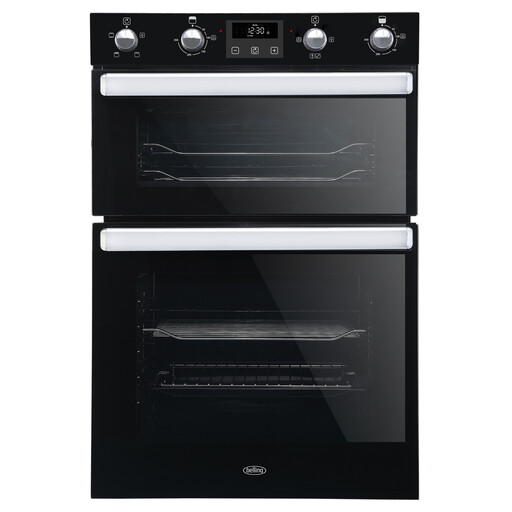 No image available
A double oven may help when a long pudding bake overlaps with meal preparation. Check which cooking modes are available in each cavity, then compare the installation dimensions and connection requirements with your kitchen.
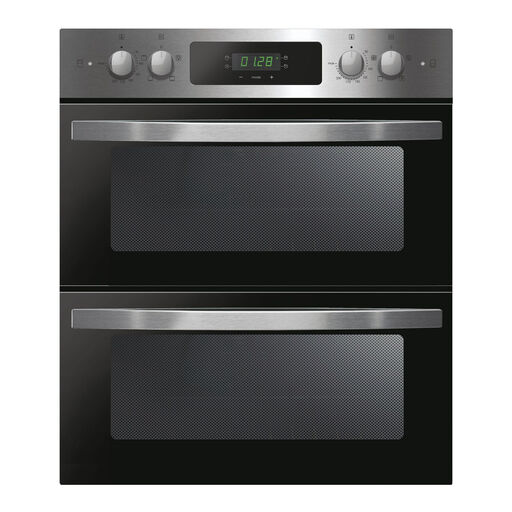 No image available
Consider the built-under layout if it suits your planned kitchen arrangement and you want separate oven space. Confirm the exact cavity dimensions, recipe-matching cooking mode and electrical requirements before deciding whether it fits.
Use the temperature paired with your recipe’s oven mode. Good Food gives 140°C fan or 160°C conventional for its recipe, while Nancy Birtwhistle gives 130°C fan or 150°C conventional for hers; neither pair is a universal setting for every pudding.
No, a suitably sized single oven can handle a pudding when you do not need another cavity at the same time. A double oven becomes more useful if the long bake regularly overlaps with meals or other baking.
Check the exact model’s dimensions, required cabinet opening, ventilation instructions, electrical loading and connection type. Check the available power supply: appliances above 3kW need a larger connection than a standard 13A fused one; plan installation against the model instructions and requirements applicable to your location.
Use it to compare declared energy information for the exact models you are considering, not to judge rice-pudding results. UK government energy-information guidance covers domestic ovens in scope and requires an energy label and product information sheet for those products.