Even-browning roast cooks
If parsnips are your main concern, heat distribution across the tray and dependable temperature control matter more than a long list of programmes.


For a tray of parsnips, start with a single oven whose exact model has a documented fan or hot-air mode, then check its fit and electrical requirements. A double oven becomes more relevant when the rest of the meal regularly needs a separate cooking temperature or schedule; a multi-level cooking claim alone does not establish how evenly an oven performs.
If parsnips are your main concern, heat distribution across the tray and dependable temperature control matter more than a long list of programmes.
When parsnips share cooking time with a main dish, potatoes and other sides, shelf space and the need for separate temperatures become part of the oven decision.
If you are replacing a built-in oven, the cabinet opening and electrical connection may determine which models can be installed before cooking features come into play.
Choose between one cavity and two according to the meals you normally cook. Then compare the exact model’s roasting features, installation requirements and convenience features.
Consider it when: Parsnips usually need one tray or can share a cooking temperature with the rest of the meal.
Trade-off: A single cavity cannot cook another dish at a different temperature in a separate oven.
Consider it when: Your roast meals regularly need two cooking zones with different temperatures or timings.
Trade-off: The additional cavity needs suitable built-in space and does not improve a single tray of parsnips by itself.
| Concern | What to check | Who this matters to |
|---|---|---|
| Even roasting | Check the exact model’s fan or hot-air mode. Which? tests built-in ovens for heat distribution and temperature accuracy, which can help distinguish cooking claims from measured performance. | If I mainly roast one tray, I want consistent browning rather than extra cooking programmes. Around 36% of consumers put even roasting first. |
| Fit and electrical supply | Compare your cabinet opening with the installation diagram, not just the oven’s exterior dimensions. Check the connection type and electrical loading; Electrical Safety First advises reviewing power requirements before choosing an oven. | Replacing an integrated oven leaves me little room for a model that does not fit or suit the electrical setup. For around 29% of consumers, fit and installation are the primary concern. |
| Meal capacity | Consider usable cavity space and shelf positions. If dishes regularly need different temperatures at once, assess whether your kitchen can accommodate two cavities. | When parsnips cook alongside several other dishes, I need enough space and a workable schedule. Meal capacity comes first for around 21% of consumers. |
| Cleaning and access | Compare the exact cleaning system and door arrangement, and follow the model’s instructions for any cleaning cycle. | Frequent roasting makes cleanup or access to the oven more important to me than additional cooking modes. Around 14% of consumers prioritise cleaning and access. |
An oven’s exterior measurements are not its required cabinet cut-out. Roasting features cannot make up for an incompatible housing.
Measure the opening and compare it with the installation diagram for the exact model before ordering.
Connection requirements differ between models. Electrical Safety First advises checking power requirements to avoid overloading the wiring.
Confirm the model’s connection type and loading, and ask a qualified electrician about an installation you are unsure of.
A manufacturer’s fan or hot-air description tells you about a feature, not whether two ovens produce identical roasting results. Which? assesses heat distribution and temperature accuracy in its built-in oven testing.
Use the cooking-mode specification to shortlist models, then compare independent test results where available.
A second oven helps when dishes need separate temperatures or schedules; it does not address a need for more even heat across a single tray.
Choose the double-oven format only if your usual meals will make use of both cavities, and confirm that the housing suits it.
Relevant when comparing a single built-in oven with a double-oven format for larger meals.
Relevant to cooks considering a larger single cavity with multilevel cooking and a cleaning function.
Relevant when multilevel hot-air cooking or easier access through a retractable door is a priority.
These Joybuy choices include single ovens for everyday roasting and double ovens for meals that benefit from separate cooking zones. Confirm the exact model’s cabinet and electrical requirements before choosing either format.
 No image available
Consider this built-in double oven if a full roast meal regularly calls for separate cooking zones.
Check that your cabinet can accommodate the double-oven format and confirm the electrical connection for this model.
 No image available
A single-cavity choice when roasting parsnips does not usually require a second cooking zone.
Compare the exact cabinet cut-out and electrical connection with your installation before ordering.
 No image available
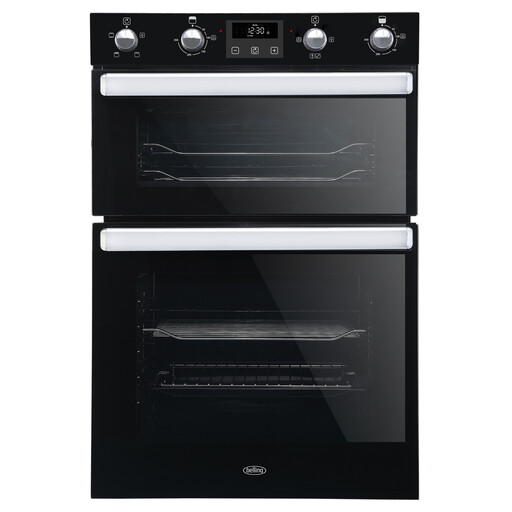
The double-oven layout is relevant if parsnips and other dishes regularly need separate cooking schedules.
The name specifies a 90 cm format; compare the manufacturer’s cut-out dimensions and electrical requirements with your kitchen.
 No image available
Consider the two-cavity format when a main dish and sides need different cooking temperatures or timings.
Check the required cabinet opening and electrical arrangement for this exact model; one tray of parsnips does not itself require two ovens.
 No image available
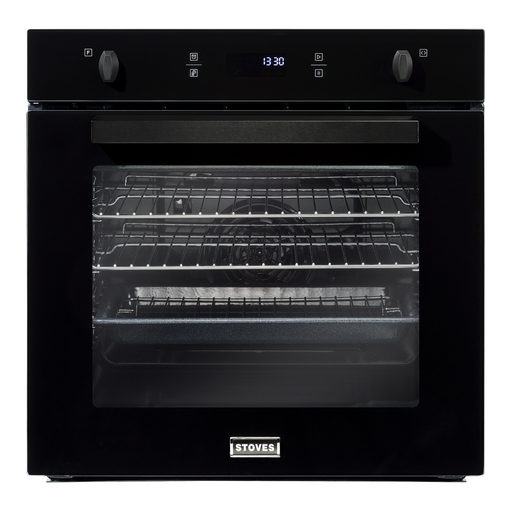
A single-oven option for everyday roasting if a pyrolytic cleaning function is also a priority.
Confirm the usable cavity space, cabinet cut-out and connection method, and follow the model’s cleaning instructions.
No; a fan oven is one option, particularly if you expect to cook on more than one shelf. Check the exact model’s cooking modes and, when comparing ovens, look for independent assessments of heat distribution and temperature accuracy such as those conducted by Which?.
Not for a tray of parsnips alone. Two cavities are more relevant if the rest of your roast meal regularly needs a different temperature or timing, provided the double oven fits your kitchen.
That depends on the exact model and your existing installation: some ovens have a plug, while others require an electrical connection. Electrical Safety First advises checking power requirements before choosing; ask a qualified electrician to assess any connection or installation you are unsure of.
Compare the labels for the exact models you are considering alongside their cavity sizes and the functions you expect to use. GOV.UK guidance says that an energy label must be displayed at the point of sale, including online, for products within the labelling rules’ scope.
No. A pyrolytic function is a cleaning option, not a substitute for following the model’s preparation, cycle and routine-cleaning instructions. Let the oven cool before cleaning it.