What matters when choosing?
Start with the cooking you do most often: one tray, several dishes or a replacement that must fit an existing kitchen. Then check the exact model rather than assuming that ovens with similar-looking functions have the same installation needs or heating performance.
| Concern |
What to check when buying |
Who this matters to |
| Even roasting |
Check for the fan or conventional mode your recipes require. Look for model-specific assessments of temperature accuracy and heat distribution where available; Which? treats these as separate tests. |
I want one tray to reach a golden colour and tender texture without relying on extra cooking programmes. Around 50% of consumers choosing for these needs would put roasting performance first. |
| Space for several dishes |
Compare cavity count, usable shelf positions and cooking modes. Check whether dishes can share a temperature or need separate cavities. |
When carrots are only one part of a larger roast, I need room to cook the other dishes at the same time. About 30% of consumers would make that capacity their primary concern. |
| Fit and upkeep |
Check housing dimensions, electrical requirements and cleaning features for the exact model. Compare its energy label and product information sheet where applicable. |
I need the replacement to work with my kitchen setup and be manageable to clean after regular use. For roughly 20% of consumers, those ownership checks would take priority. |
Joybuy ovens for different cooking needs
These built-in single and double ovens cover straightforward roasting, cooking in separate cavities and a single-oven option with pyrolytic cleaning. Match the format to the meals you make, then confirm the installation requirements of the exact model.
 No image available
Bosch Series 4 MBA533BB3B Electric Double Oven, Black
Consider the double-oven format if carrots are regularly one part of a meal needing separate cooking spaces. Check the required housing dimensions and electrical connection before ordering.
View on Joybuy
 No image available
Candy FIDCN605 65L Built-in Electric Single Oven, Black
A single-oven format to consider if you normally roast one tray alongside everyday meals. Its stated capacity is 65L; check the cooking modes and installation instructions against your recipes and kitchen.
View on Joybuy
 No image available
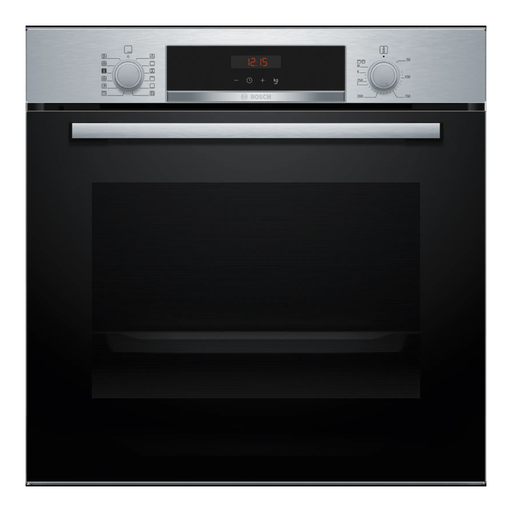
Bosch HQA574BS3B Series 4 Pyrolytic Single Oven, Stainless Steel
Consider this single oven if pyrolytic cleaning matters alongside your usual roasting needs. Check its cooking modes, cabinet fit and electrical requirements; a cleaning function does not establish roasting performance.
View on Joybuy
 No image available
Bosch HHF113BA0B Series 2 Built-in Single Electric Oven, Black
The single-oven format is worth considering if a second cavity is not part of your normal cooking. Confirm its modes against your roasted-carrot recipes and check the housing and electrical instructions before choosing.
View on Joybuy
 No image available
Belling BEL BI903MFC 90cm Built-in Double Multifunction Oven, Black and Stainless Steel
Consider the double-oven format when a roast meal calls for separate cooking spaces. The product name states 90cm; check the required housing cut-out and electrical installation instructions rather than using that figure alone to judge fit.
View on Joybuy
Frequently asked questions
What oven setting should I use for roasted carrots?
Follow your recipe’s setting for the mode you use. One Good Food recipe specifies 200°C conventional or 180°C fan and roasts the carrots for 40 minutes until golden and tender; carrot size, tray loading and the oven can affect when they are done.
Do I need a fan oven to roast carrots?
No: the Good Food recipe gives both conventional and fan settings. A fan setting gives you another recipe option, but it does not by itself establish how evenly a particular oven heats.
Should I check the electrical connection before buying a built-in oven?
Yes. Electrical Safety First advises checking power requirements before choosing an oven. Compare the exact model’s installation instructions with your kitchen setup rather than assuming it connects like the oven it replaces.
Which energy information is useful when comparing ovens?
Compare the energy label with the product information sheet where applicable, particularly for ovens of a similar size and configuration. Check the documents for the specific model and your delivery location rather than relying on an energy class alone.
Does self-cleaning tell me whether an oven will roast evenly?
No. Which? assesses cleaning separately from heat distribution and temperature-control accuracy. Choose a cleaning feature for the upkeep it offers, and assess cooking performance on its own merits.


