
24/7 Customer Support

Free returns

Same-day & Next-day Delivery

Quality Guaranteed

Unlock Your Welcome Offers: FREE Delivery | Up to 80% OFF | Free 30-day JoyPlus trial
Download the APP
As a Joybuy Product Recommendation Officer, my role is to help you navigate the crowded market of kitchen essentials. When it comes to oven safe bakeware, it’s easy to be swayed by stylish designs or attractive-looking sets, only to find they don’t meet your real-world cooking needs. Before you invest, let’s look at some common pitfalls that can lead to disappointment and wasted money.
casserole dish set and assume it will cover all your needs. However, using an oversized dish for a small portion can lead to uneven cooking, burnt edges and dried-out food. For things like individual desserts or side dishes, a large pan is simply impractical and inefficient.To ensure your new bakeware is a useful, long-lasting addition to your kitchen, focus on these key parameters.
The material of your bakeware dictates its performance, durability and ideal use.
ceramic ramekins and dishes are ideal for bakes that require a steady, gentle cook, like custards, soufflés and bread puddings. They also offer a classic oven to table ware aesthetic. Look for a high-quality, non-porous glaze that resists stains and odours.foil pie dishes are an excellent solution. They are lightweight, disposable and recyclable. Their convenience for parties, bake sales or sending food home with guests is unmatched.These features are crucial for both cooking results and safety. A well-fitting lid is essential for any baking dishes with lids, as it traps steam and moisture, preventing dishes like casseroles and roasts from drying out. When it comes to handles, look for ones that are large enough to be gripped firmly with oven mitts. Integrated, moulded handles are generally more durable than those that are attached separately.
The most practical heatproof bakeware is multi-functional. Check if a dish is also marked as safe for the microwave (for reheating), freezer (for storage) and dishwasher (for easy cleaning). This versatility streamlines your entire cooking process, from prep and cooking to serving and storing leftovers, all in a single dish.
Instead of a generic list, we've matched specific types of oven safe bakeware to different cooking styles and needs.
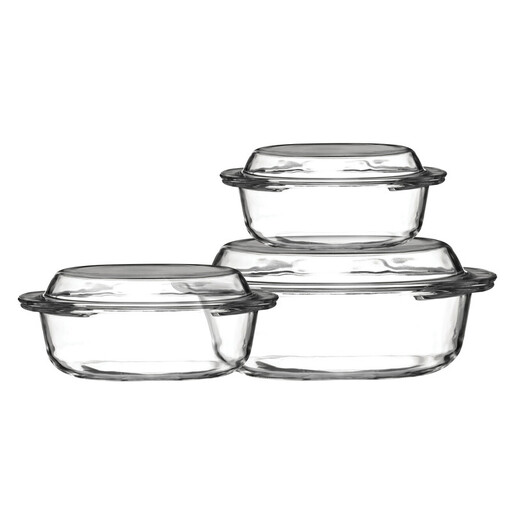
Why This Fits Their Persona: This set is for the home cook who needs reliable, versatile dishes for daily meals. The three different sizes handle everything from a family-sized lasagna to a smaller side of roasted vegetables, making it a practical workhorse for a busy kitchen.
It directly counters the "one-size-fits-all" trap by providing three distinct sizes, ensuring you always have the right dish for the job. The integrated handles are also practical and easy to grip.
The clear tempered glass allows for easy monitoring of cooking. Being dishwasher, microwave and refrigerator-safe, it simplifies the entire meal process from cooking to cleanup.
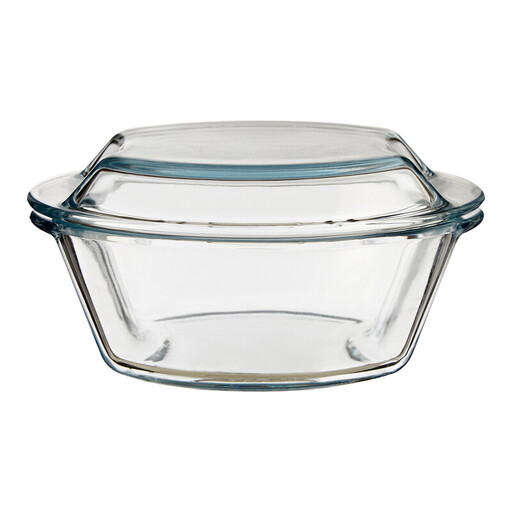
Why This Fits Their Persona: For the cook who values maximum performance and convenience. This person does a lot of meal prep and wants the ability to move dishes between the freezer, oven and table without worry. Durability and longevity are their top priorities.
This set is made from borosilicate glass, which is specifically engineered to resist thermal shock. This directly solves the most common and costly pitfall of glass bakeware cracking due to temperature changes.
Its ability to safely go from freezer to oven streamlines meal prep and reduces the number of dishes used. The non-porous glass resists stains and odours, keeping it in good condition for years.
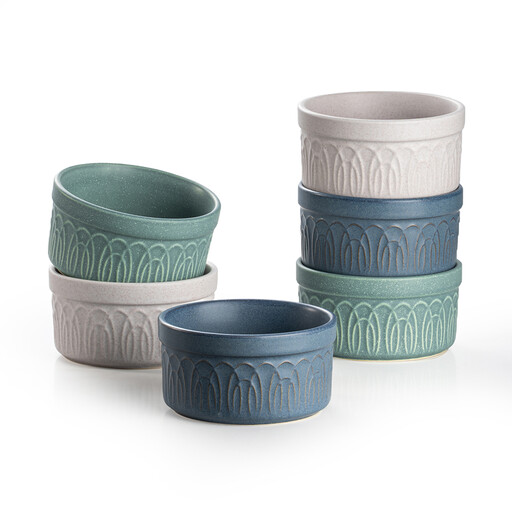
Why This Fits Their Persona: Perfect for the baking enthusiast who loves making `individual baking dishes` like crème br?lée, soufflés or mini pot pies. The 8 oz capacity is ideal for single portions, and the elegant ceramic design makes for beautiful oven-to-table presentation.
This set provides the right tool for a specific job, avoiding the poor results that come from using a large, unsuitable dish. The durable, scratch-resistant glaze also avoids the "style over substance" trap by being both attractive and easy to clean.
The high-quality ceramic ensures even heat distribution, which is critical for delicate bakes. They are also safe for the oven, microwave and dishwasher, adding a layer of convenience.
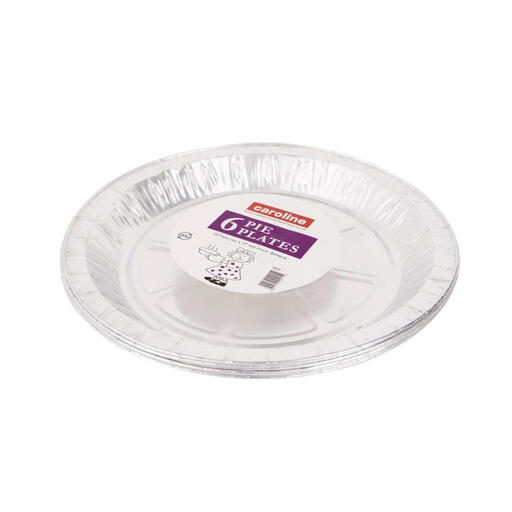
Why This Fits Their Persona: This is for anyone hosting a party, contributing to a bake sale or catering an event. The priority here is convenience, portability and eliminating the need for washing up or worrying about getting expensive dishes back.
It embraces its purpose without pretending to be a permanent kitchen fixture. It avoids the trap of impracticality by being designed for single-use scenarios where cleanup and transport are the main concerns.
The excellent heat conductivity of aluminium ensures even baking for pies and tarts. Being ovenable and recyclable, it offers a practical and responsible choice for large-scale baking.
We have compiled a complete, real-time list of products that fully satisfy these strict selection criteria and UK safety regulations.
The main difference is thermal shock resistance. Tempered glass is heat-treated to be stronger than normal glass, but it can still crack with sudden, extreme temperature changes. Borosilicate glass contains boric oxide, which gives it a much lower coefficient of thermal expansion. In practical terms, this means it is far less likely to crack when moved from a cold environment (like a freezer) to a hot one (like an oven). If you do a lot of batch cooking and freezing, borosilicate is often a more reliable choice.
Most modern, high-quality ceramic bakeware is dishwasher-safe, but it's always best to check the manufacturer's instructions. Look for pieces with a smooth, non-porous glaze, as these are less likely to absorb water or detergent. To prolong the life of your ceramic dishes, avoid abrasive scouring pads which can scratch the glazed surface over time.
The key is to avoid sudden temperature changes. Never take a glass dish from the freezer or fridge and place it directly into a hot oven, unless it is explicitly rated for this (like some borosilicate glass). Similarly, do not place a hot glass dish onto a cold or wet surface, or pour cold liquid into a hot dish. Always place hot dishes on a dry tea towel, trivet or wooden board to cool down gradually.